

Iran and Oman Near Agreement on Strait of Hormuz Management
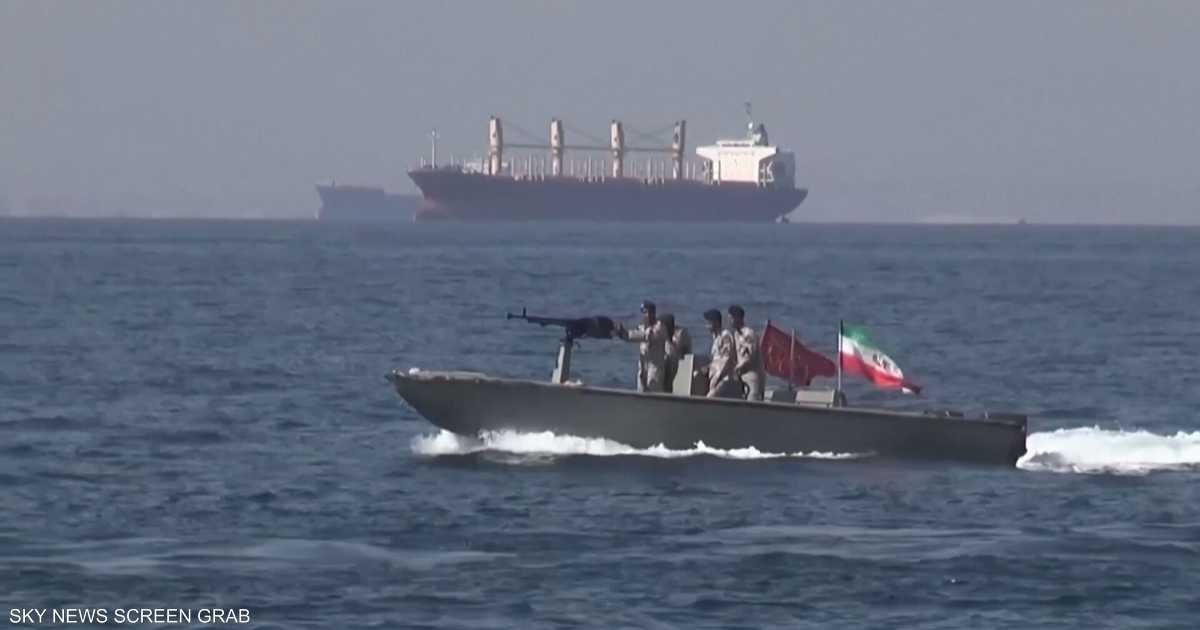
Iranian Foreign Minister Abbas Araghchi has reaffirmed that Tehran is nearing a formal agreement with the Sultanate of Oman concerning the strategic management and security oversight of the Strait of Hormuz. The announcement highlights ongoing diplomatic efforts between the two nations to coordinate activities in one of the world’s most critical maritime corridors.
The Strait of Hormuz, located between Oman and Iran, serves as the primary gateway for a significant portion of the world’s global oil supply. Any agreement between these two regional powers regarding its administration is considered a development of high strategic importance for regional energy security and maritime traffic. For years, the waterway has been a focal point for international diplomacy and naval monitoring due to its economic significance.
Minister Araghchi’s statement underscores the importance of bilateral communication channels between Tehran and Muscat. Oman has historically maintained a unique position as a neutral diplomatic broker in the Middle East, frequently acting as a bridge for communication between Iran and Western powers. By pursuing a coordinated framework for the strait, both nations aim to ensure regional stability and maintain the flow of international commerce through the chokepoint.
While details of the prospective agreement remain limited, the dialogue between Iran and Oman reflects a broader commitment to regional security cooperation. The discussions are seen as a move to stabilize the maritime environment and mitigate potential tensions that often arise in the highly trafficked waters of the Persian Gulf. By seeking a collaborative approach, both countries are signaling their interest in managing the complexities of the waterway through diplomatic coordination rather than unilateral actions.
The proximity of the two nations to the strait necessitates constant cooperation. For Iran, the strait represents a critical element of its national and economic security. For Oman, the management of its territorial waters and the safety of the strait remain a top priority of its foreign and maritime policy. The potential agreement, as signaled by the Foreign Minister, represents a practical step toward formalizing the operational understanding between Tehran and Muscat, which could have long-term implications for the stability of maritime transit routes in the Gulf region. As the process moves forward, regional observers will be watching to see how this bilateral framework influences the broader geopolitical landscape concerning the security of energy transit in the Middle East.