

Sudanese Islamist Militia Shifts Focus to Civil Governance
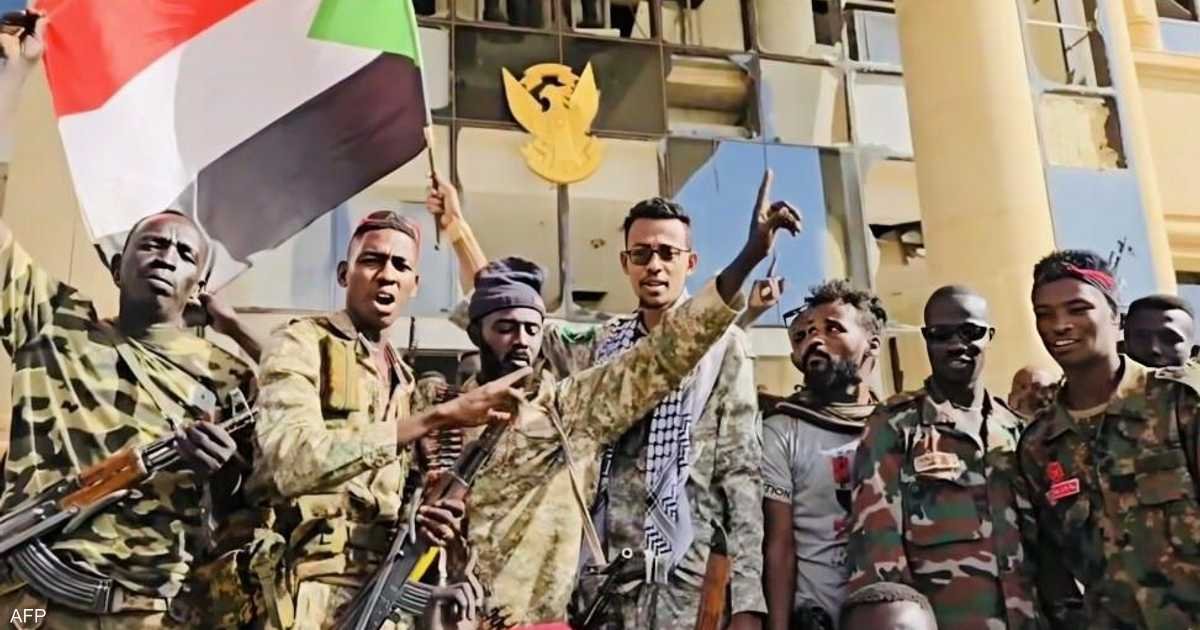
The landscape of the ongoing power struggle in Sudan is undergoing a significant transformation. Recent declarations from Al-Misbah Talha, the commander of the Baraa bin Malik Brigade, suggest that the faction, which is affiliated with the Sudanese Islamic Movement, is moving beyond purely kinetic operations to secure influence within the country’s civil and administrative apparatus.
For months, the Baraa bin Malik Brigade has been known primarily for its active military role on the front lines of the conflict. However, Talha’s recent remarks indicate a calculated shift in strategy. By seeking to reposition the brigade’s members into the civilian sphere and state institutions, the group aims to establish a foothold in the governance structure, potentially altering the long-term political configuration of the country.
This shift from the battlefield to the bureaucratic and civic sectors highlights a growing effort by elements associated with the Sudanese Islamic Movement to consolidate power. Analysts have noted that such movements often leverage paramilitary influence to secure appointments or policy oversight in local government, educational, and social organizations, effectively creating a parallel power structure that operates under the guise of civic administration.
As the military conflict persists, this strategic pivot raises questions regarding the future of the Sudanese state. The integration of combatants into civil roles is a move that echoes historical patterns observed in various transition phases within the region, where ideological groups seek to safeguard their interests by embedding themselves into the fabric of the state’s functional departments.
The Baraa bin Malik Brigade has been a prominent actor in the mobilization of pro-government forces. Its transition toward civil governance suggests an attempt to translate military presence into political capital. This development comes as the nation faces profound challenges in managing the aftermath of the conflict, with the influence of various armed groups becoming increasingly central to the survival and functionality of state institutions.
For the people of Sudan, the prospect of having combatants take up positions within civil life represents a major shift in the dynamics of the ongoing struggle. The move is viewed as a clear intent to ensure that regardless of the ultimate military outcome, the ideological vision of the Sudanese Islamic Movement remains embedded in the core of Sudan’s governance. Observers are closely monitoring how this transition will affect the delivery of public services, the integrity of state institutions, and the broader social fabric of the country in the coming months.