

Syria and Russia Conclude Negotiations on Military Presence
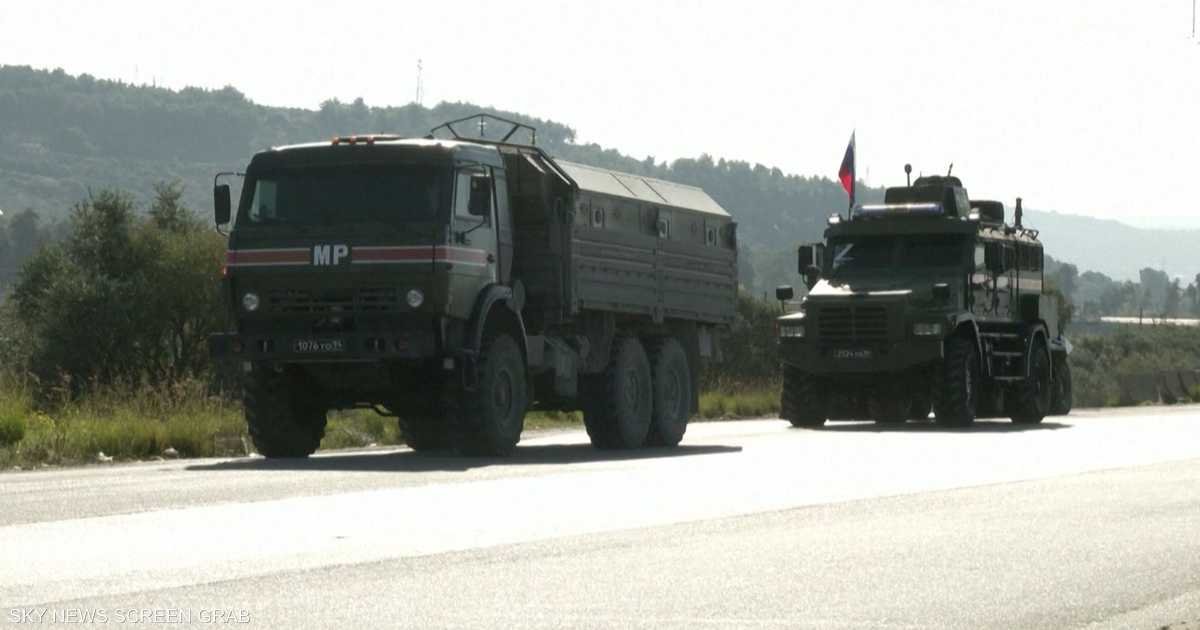
The Syrian government has officially announced the conclusion of prolonged negotiations with the Russian Federation concerning the future of the Russian military presence within Syrian territory. This diplomatic development marks a significant milestone in the long-standing strategic partnership between Damascus and Moscow, addressing the operational status of various civil and military installations that have been under Russian administration.
For years, Russia has maintained a formidable military footprint in Syria, primarily centered around the Hmeimim airbase in Latakia and the naval logistics facility in the port city of Tartus. These sites have served as the cornerstone of Moscow’s power projection in the Eastern Mediterranean and have been instrumental in the Syrian government’s efforts to consolidate control over various regions throughout the course of the country’s protracted conflict. The recent negotiations were aimed at formalizing the legal framework and the long-term management of these facilities, as well as clarifying the administrative oversight of other civilian sites that have previously functioned under Russian stewardship.
While the Syrian government confirmed that an agreement has been reached, the specific details regarding the duration of the military presence and the exact scope of the administrative changes remain largely classified. However, the agreement is widely viewed by regional observers as a move to institutionalize the strategic relationship between the two nations, ensuring that Russia’s influence remains a central element of the Syrian security landscape for the foreseeable future. By reaching this consensus, both Damascus and Moscow have sought to stabilize the status of these assets, potentially paving the way for further reconstruction efforts and military cooperation.
The implications of this deal extend beyond the physical presence of personnel and equipment. By formalizing the governance of these installations, the Syrian government is signaling a commitment to maintaining its alliance with Moscow despite the complex geopolitical shifts currently unfolding across the Middle East. For Russia, the confirmation of these arrangements solidifies its position as a primary international stakeholder in Syrian affairs, securing its access to critical Mediterranean infrastructure that provides a vital check against other competing interests in the region.
As the Syrian state continues to navigate the challenges of recovery and internal stability, this agreement underscores the reliance of the current administration on Russian diplomatic and military support. The successful conclusion of these talks ends a period of uncertainty regarding the status of these facilities and reinforces the durability of the Russian-Syrian military partnership, which has remained the most consistent external pillar of support for the Syrian state throughout its recent history.