

Iran’s Leader Mojtaba Khamenei Announces Major Military Reshuffle
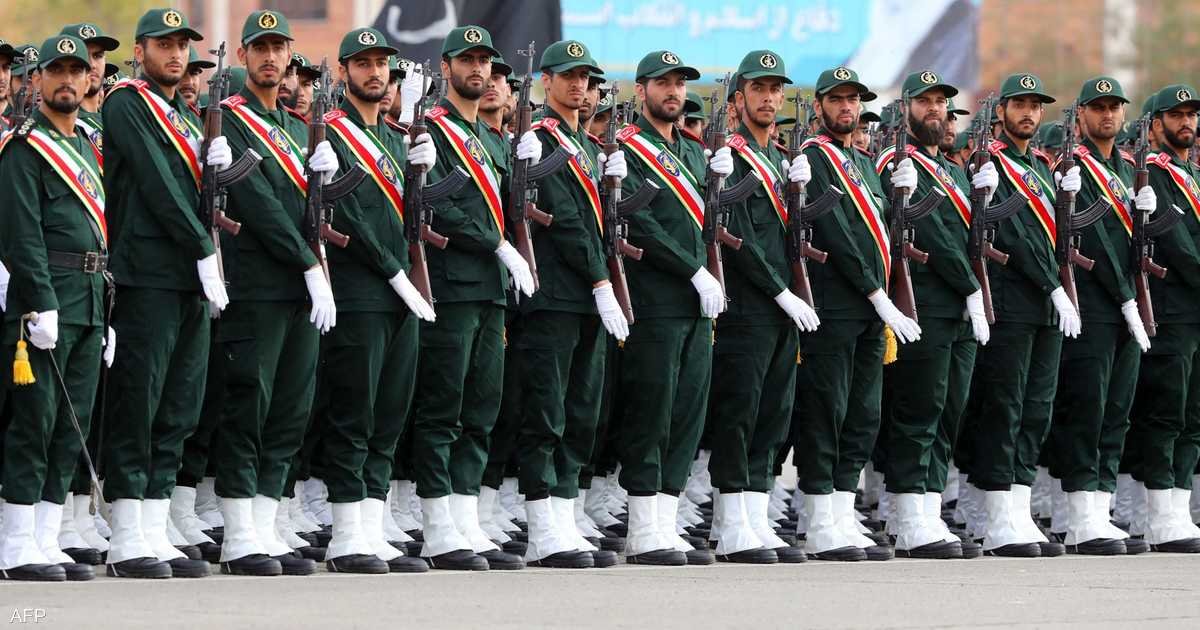
In a significant move marking his early tenure as the supreme leader of Iran, Mojtaba Khamenei issued a series of directives on Monday, appointing new commanders to fundamental military positions. These decisions represent the first major executive actions attributed to the leader since he officially assumed his role as successor to his father, Ali Khamenei, who was killed in a strike in Tehran last February.
The announcement reflects a strategic effort to restructure the nation’s security and military leadership at a time of heightened regional uncertainty. While official details regarding the specific roles and the backgrounds of the newly appointed figures remain limited, the timing of these decisions suggests a move toward consolidating command authority within the Islamic Republic’s security apparatus. The reshuffle is viewed by regional observers as an effort to stabilize the military hierarchy following the power transition necessitated by the death of the former Supreme Leader.
The appointments follow months of political and security adjustments in Tehran. The assassination of Ali Khamenei in February prompted a swift, albeit challenging, leadership transition. By appointing new commanders, the younger Khamenei appears to be seeking to re-establish control and ensure loyalty within the highest echelons of the Iranian military, including the divisions overseeing domestic and regional security operations. This reshuffle is expected to influence the direction of Iran’s military policy and its strategic engagement in the broader Middle East.
The Islamic Revolutionary Guard Corps (IRGC), which holds significant sway over both the political and security landscape of Iran, is expected to see shifts in its operational leadership. The consolidation of these military roles is a critical indicator of how the new leadership intends to address the security vacuum and maintain the structural integrity of the Iranian state’s defensive and offensive capabilities.
As the region closely watches developments in Tehran, these appointments signal a definitive step in the new administration’s efforts to project strength and continuity. The reorganization is aimed at mitigating any potential instability within the armed forces and securing the backing of key military personnel. The international community and regional stakeholders are likely to interpret these changes as a sign of the evolving command structure under Mojtaba Khamenei’s leadership, as Iran prepares to navigate the geopolitical challenges stemming from the recent internal power transition and the ongoing volatility that has characterized the region since the events of February.