

Iraq Classifies Unauthorized Drone Flights as Terrorism
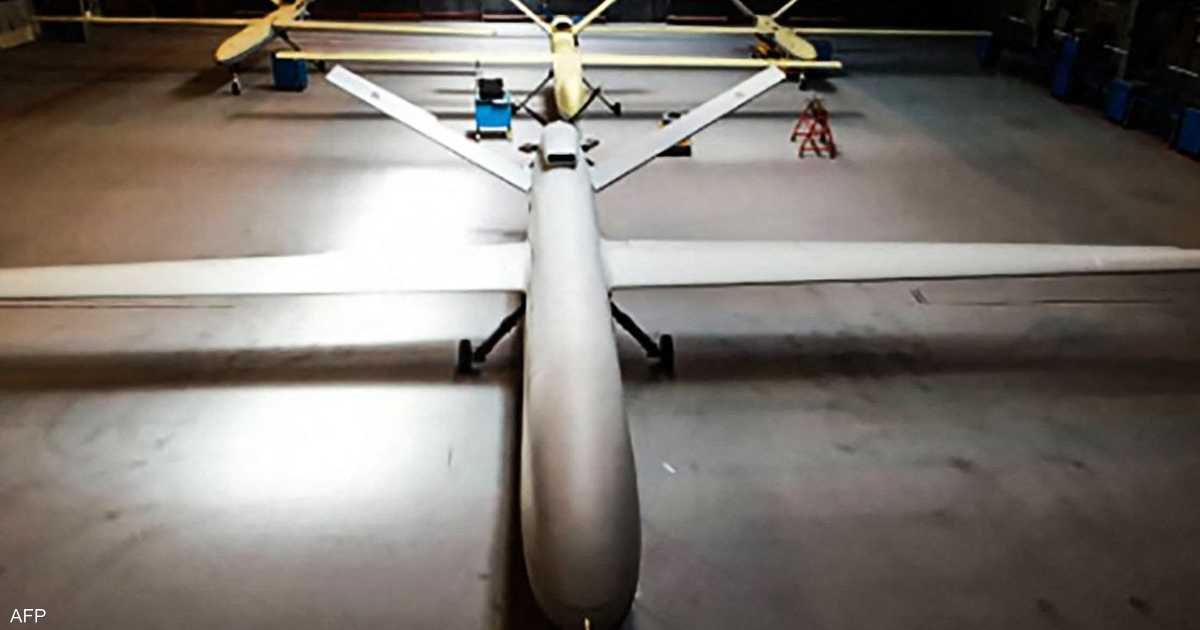
The Iraqi Ministry of Interior has introduced a stringent new policy regarding the use of unmanned aerial vehicles (UAVs) across the country. In a significant move aimed at strengthening state control over security and armament, the ministry declared on Monday that any drone operating within Iraqi airspace without formal, official authorization will be treated as a violation of national security and prosecuted under the country’s anti-terrorism legislation.
This decision marks a pivotal development in the Iraqi government’s ongoing efforts to consolidate the state’s monopoly on the use of force. By categorizing the unauthorized deployment of drones as an act of terrorism, the administration is signaling a zero-tolerance approach toward groups or individuals who operate aerial platforms outside of the purview of the state’s security apparatus. The move is designed to address the increasing proliferation of drone technology, which has posed persistent security challenges to both civil and military infrastructure in recent years.
The use of drones has become a growing concern for Iraqi authorities, particularly as various non-state actors have increasingly utilized these devices for reconnaissance and offensive maneuvers. Such activities have frequently complicated the regional security landscape and posed risks to critical infrastructure, including foreign diplomatic missions and sensitive government sites. By elevating the legal classification of these unauthorized flights, Baghdad is providing its security services with a more robust legal framework to monitor, intercept, and punish those who operate drones illicitly.
Legal experts note that this reclassification is part of a broader strategy by the current government to restore domestic order and limit the influence of armed factions that operate outside of state control. The government has frequently emphasized that the safety and sovereignty of Iraqi airspace are paramount to maintaining stability. Under the provisions of the counter-terrorism law, those found violating these regulations could face severe penalties, reflecting the seriousness with which the state now views the unregulated use of drone technology.
While the ministry has not provided details regarding specific enforcement mechanisms, the directive is clear in its intent to centralize authority and demand transparency in the use of aerial assets. This policy adjustment is expected to have immediate implications for various stakeholders, including commercial operators and security entities, who will now be required to adhere to strict registration and approval protocols to avoid falling under the scope of anti-terrorism investigations. The government remains focused on implementing this measure as a means to deter potential threats and ensure that the state remains the sole arbiter of military and security operations within its borders.