

Iraq Reaffirms Commitment to State Monopoly on Weapons
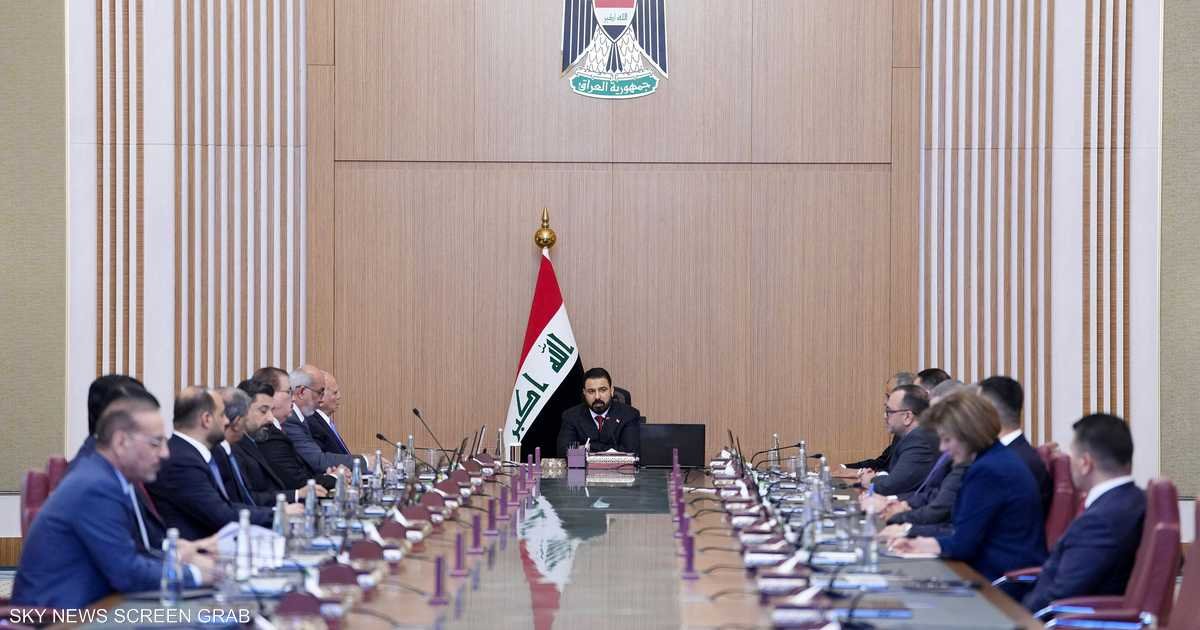
The Iraqi government has reaffirmed its firm commitment to consolidating the state’s monopoly on arms, signaling a policy of zero tolerance for unauthorized paramilitary activity. In a recent statement, Judge Munir Haddad, the legal advisor to Prime Minister Ali al-Zaidi, emphasized that the state is moving decisively to implement a comprehensive strategy aimed at restricting the possession of weapons exclusively to official government institutions.
Haddad indicated that the administration maintains a policy of “no retreat” regarding this objective, which is viewed as a foundational step toward restoring long-term stability and strengthening the rule of law across the country. The initiative to centralize control over armaments is described as a critical pillar of the current government’s security agenda, designed to mitigate the risks associated with internal instability and fragmented armed groups.
Beyond security reform, the Iraqi leadership is also concurrently advancing a broader national effort to tackle systemic corruption. According to Haddad, the two objectives—restricting the spread of weapons and purging corrupt elements within the state structure—are deeply interconnected. The government views the dismantling of illegal armed networks as an essential component of creating a more transparent and capable public sector that can effectively serve its citizens.
The push for centralized control over weaponry represents a significant challenge in Iraq, given the legacy of various armed factions operating outside of formal state chains of command. However, the government’s stated stance reflects an effort to assert full sovereignty and minimize the potential for unauthorized groups to undermine the nation’s institutional integrity. This strategy of asserting state authority aims to project a clearer, more predictable security environment, as officials seek to align the country’s domestic security landscape with the formal requirements of constitutional governance.
As the administration continues its push to consolidate power, the focus remains on the structural evolution of the nation’s security architecture. By prioritizing the regulation of arms, the Iraqi government is attempting to signal to both domestic and regional observers that it is committed to centralizing decision-making and ending the influence of non-state actors. The success of this policy remains a central point of scrutiny as the government navigates the complexities of implementing these reforms amidst ongoing calls for improved governance and the restoration of robust, law-abiding national institutions.