

Iraqi Prime Minister Vows Zero Tolerance in Anti-Corruption Drive
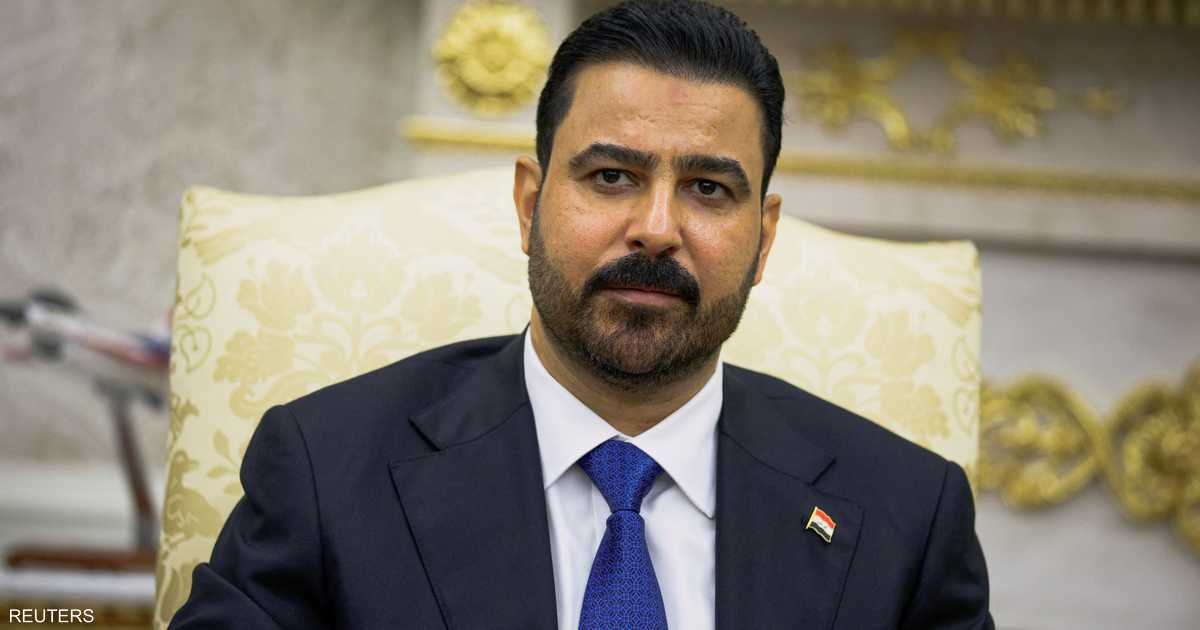
Iraqi Prime Minister Ali Al-Zaidy has announced a decisive shift in the country’s approach to governance, declaring that his administration will no longer recognize any ‘red lines’ in the pursuit of corrupt actors. This declaration signals an intensified effort by the Iraqi government to address the systemic corruption that has long hindered the nation’s political and economic stability.
In a statement outlining his administration’s priorities, Al-Zaidy emphasized that no individual, regardless of their political standing or influence, would be immune from legal scrutiny as the government moves to hold those responsible for illicit activities accountable. The Prime Minister’s remarks underscore a clear intention to dismantle the networks and practices that have historically facilitated the misappropriation of state resources and undermined public trust in government institutions.
Central to this anti-corruption strategy is the necessity of institutional collaboration. Al-Zaidy has formally called upon the members of the Iraqi Council of Representatives to actively exercise their constitutional oversight roles. He argued that the success of these anti-corruption initiatives depends heavily on the legislative branch’s commitment to providing the necessary political and legal support to the government.
By engaging the Parliament, the Prime Minister is seeking to ensure that the campaign against corruption is not merely an executive mandate but a unified national effort. Al-Zaidy stressed that the objective is to ‘dry up the sources’ of corruption, a move that requires rigorous auditing, legislative transparency, and a structural reform of public administration.
The timing of this announcement reflects a growing pressure within Iraq for institutional reform and improved governance. By explicitly rejecting the existence of ‘red lines,’ Al-Zaidy is attempting to challenge the culture of impunity that has often protected entrenched interests from accountability. The government’s focus now turns to whether this political will can be translated into substantive judicial actions and sustainable administrative changes.
For the Iraqi public, the success of this initiative will be measured by the transparency of the processes involved and the tangible outcomes in the recovery of misappropriated funds. As the administration works to consolidate its position, the call for parliamentary cooperation suggests that the government is aware of the need to build a broader coalition to survive the political pushback that often accompanies high-level anti-corruption efforts in the country. The coming months will likely see a test of the administration’s resolve as it navigates the complex political landscape in its pursuit of administrative and financial accountability.