

Pakistan and Iran Hold Talks on Enhancing Regional Stability
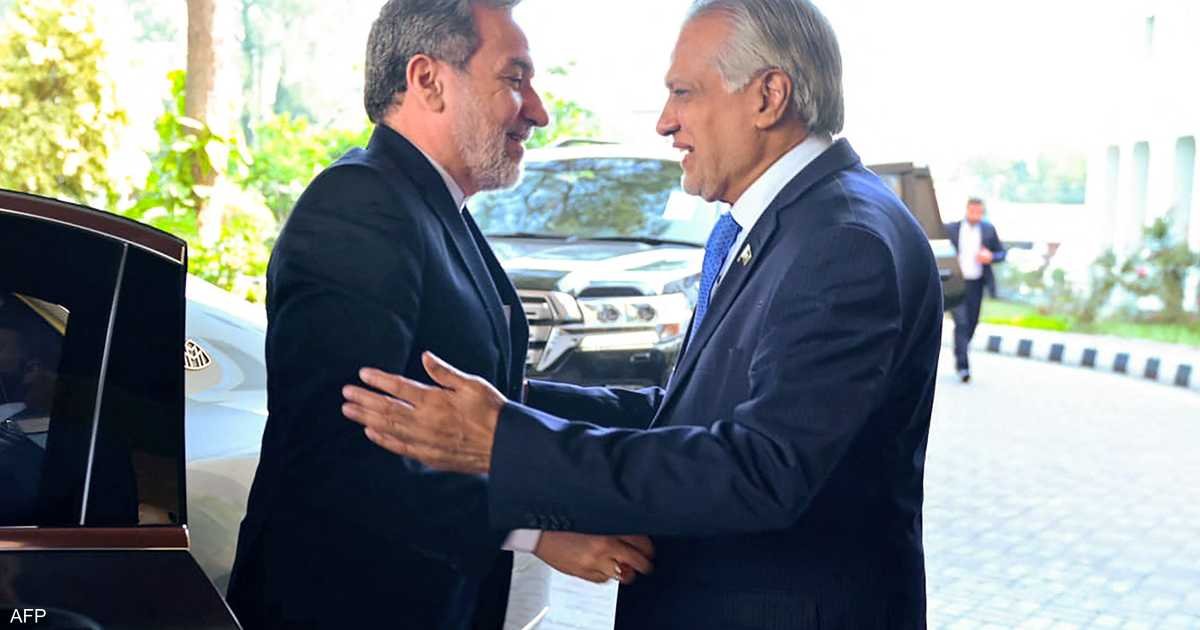
Pakistan’s Minister of Foreign Affairs, Mohammad Ishaq Dar, has held high-level discussions with his Iranian counterpart, Abbas Araghchi, as the two nations seek to bolster cooperation on issues of mutual concern. The dialogue, conducted via telephone, focused on collaborative efforts to promote and maintain peace and stability within the region.
The conversation between the two top diplomats highlights the ongoing diplomatic engagement between Islamabad and Tehran. Both nations maintain a complex and multifaceted relationship that spans geographical, security, and economic spheres. By engaging in direct communication at the ministerial level, both governments aim to ensure that communication channels remain open, particularly in an era where regional security dynamics require consistent coordination between neighboring states.
While the scope of the discussion was broad, the focus on ‘efforts to enhance peace and stability’ underscores the shared interest in mitigating potential friction points. As neighbors, Pakistan and Iran frequently engage in diplomatic outreach to manage border security concerns and address broader geopolitical challenges that impact their respective territories. Diplomatic observers note that such interactions are critical for de-escalating tensions and fostering a more predictable security environment along their shared border.
Beyond immediate security concerns, these ministerial talks serve as a platform for reaffirming the bilateral relationship. Both Pakistan and Iran have historically sought to balance their regional strategic interests, and frequent ministerial-level contact serves as a key instrument in aligning their perspectives on regional developments. By coordinating their positions, the two ministries aim to present a unified approach toward maintaining calm and preventing instability from spreading across their shared sphere of influence.
Furthermore, the discussion between Minister Dar and Minister Araghchi reflects the importance both capitals place on proactive diplomacy. In the context of the current Middle Eastern and South Asian security architecture, Islamabad and Tehran continue to rely on bilateral dialogue to navigate the intricacies of regional affairs. The phone call serves as a continuation of these established diplomatic traditions, emphasizing that both sides remain committed to diplomatic engagement as the primary vehicle for addressing regional challenges.
As the region faces shifting political landscapes, the reinforcement of ties through such high-level contact suggests a mutual desire for continuity in the partnership between Islamabad and Tehran. Both foreign ministries are expected to continue monitoring regional security developments closely, with further diplomatic consultations likely as the situation in the broader region evolves. The focus remains on strategic alignment and the preservation of long-term stability through consistent engagement between the two diplomatic delegations.