

Sudan Conflict Intensifies as Military Escalation Dims Peace Prospects
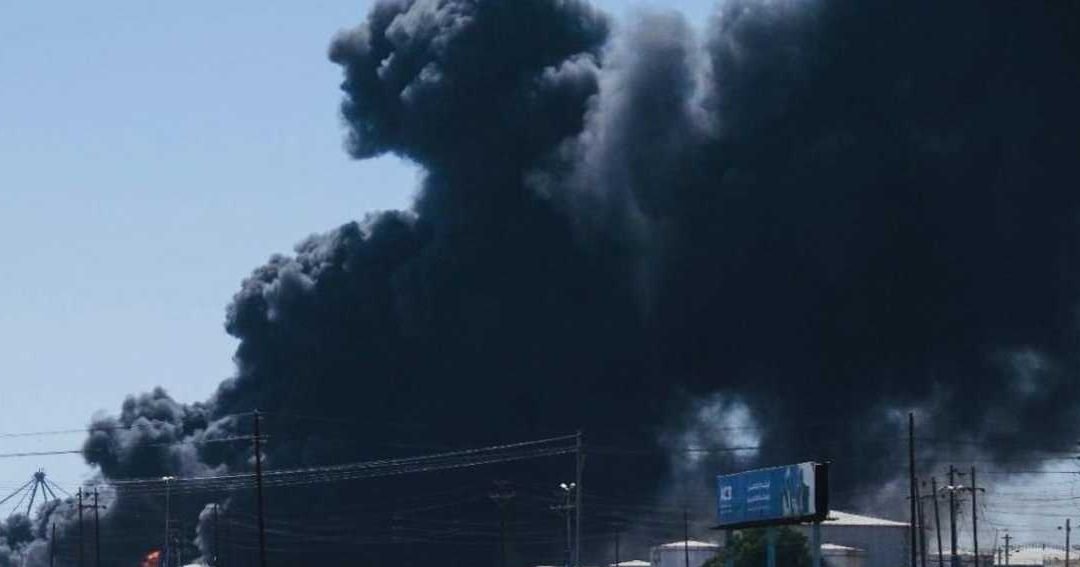
The conflict in Sudan has entered a volatile new phase, characterized by a sharp spike in military activity that has effectively sidelined efforts toward a negotiated peace. Both the national army and the Rapid Support Forces (RSF) have adopted aggressive postures, escalating the scope of their engagement across multiple fronts and drawing further swathes of the country into the theater of war.
The recent surge in hostilities was preceded by a hardening of rhetoric from the leadership of the Sudanese Armed Forces, who publicly committed to a decisive military victory and the elimination of the RSF. This shift from diplomatic or stalled peace-seeking discourse to a declared policy of total confrontation has quickly materialized on the ground.
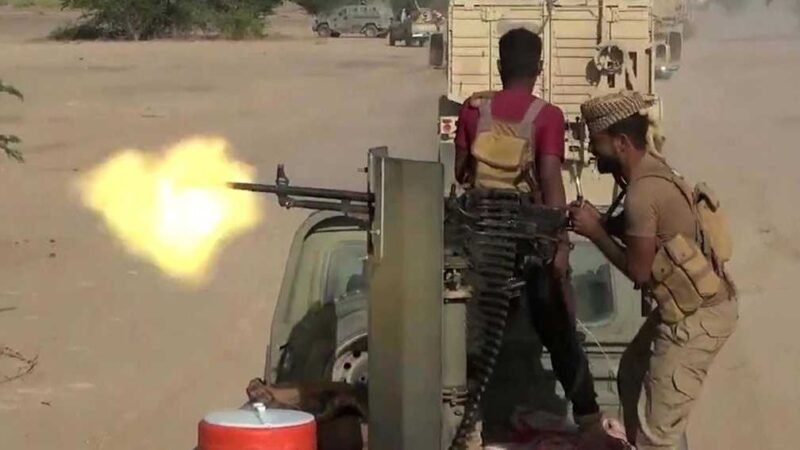
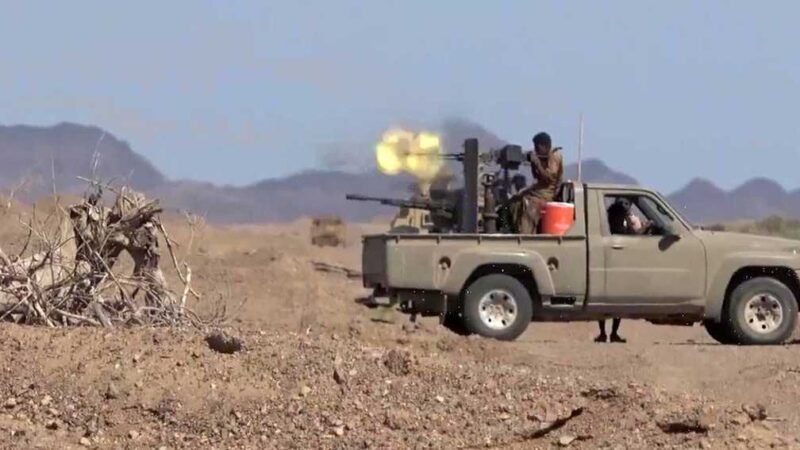
In the western regions of Kordofan and Darfur, the conflict has intensified significantly. Both sides are engaged in wide-scale land and air operations, leading to a deteriorating security environment in areas already burdened by humanitarian crises. These operations represent a notable departure from previous patterns of localized skirmishes, signaling a return to comprehensive, high-intensity warfare.
In response to the army’s offensive, the RSF launched a coordinated counter-attack, deploying a significant wave of unmanned aerial vehicles (UAVs). These strikes targeted critical infrastructure and military positions across the capital, Khartoum, as well as several urban centers in northern and central Sudan. The reliance on drone technology marks a strategic shift in the RSF’s operational capabilities, allowing them to project power into regions that had previously remained relatively stable.
Compounding the national instability, the conflict has also flared up in the Blue Nile region, where renewed fighting has erupted. This expansion of the theater of war underscores the systemic nature of the breakdown in national order, as the violence continues to spill across provincial boundaries.
The current escalation has had a chilling effect on the prospects for a political settlement. With both the army and the RSF firmly committed to the belief that a military solution is the only path forward, the window for dialogue has effectively closed. The renewed focus on battlefield gains suggests that both parties are prioritizing military dominance over the stabilization of the country, leaving the civilian population to endure the consequences of an increasingly entrenched and destructive conflict.
As the military footprint expands, the prospects for humanitarian relief corridors and the restoration of state functions remain bleak. The international community, which has previously called for a cessation of hostilities, is now facing a landscape defined by an unchecked cycle of retaliation and tactical escalation. With no clear strategic end in sight, the current trajectory points toward a deepening fragmentation of the country’s security architecture.