

US Gains Tactical Edge in Hormuz Strait Standoff
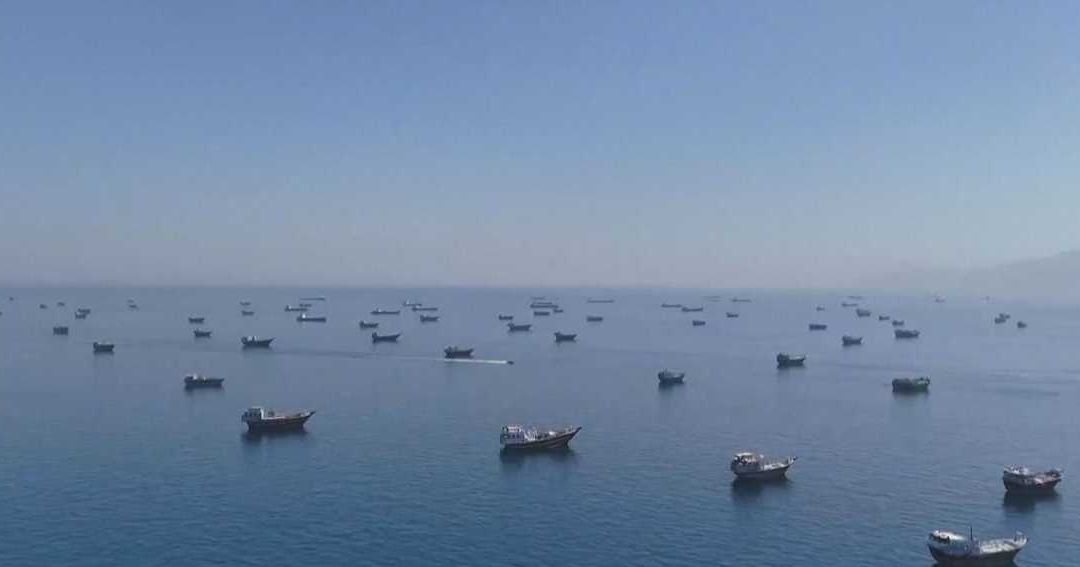
The United States military has achieved a significant shift in the operational landscape of the Strait of Hormuz, successfully diminishing Tehran’s influence over the critical waterway over the past two months. According to officials familiar with the developments, the U.S. presence and strategic adjustments have steadily neutralized what was previously considered one of Iran’s most potent leverage points in the region.
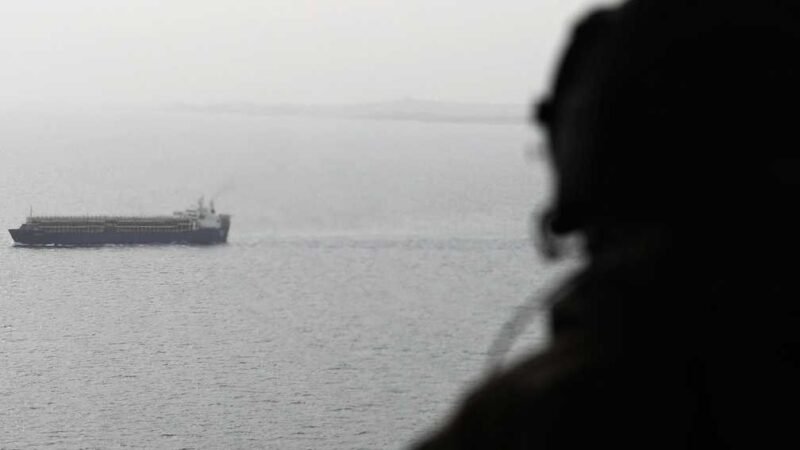
Since the onset of heightened regional tensions in late February, the Strait of Hormuz—a vital global energy chokepoint—had remained a focal point of Iranian projection of power. Tehran had frequently utilized its ability to threaten maritime traffic as a core component of its geopolitical and security strategy. However, recent reporting indicates that the dynamics have evolved, with the U.S. military securing a stronger tactical position to protect freedom of navigation and mitigate the risk posed by Iranian maneuvers.
The U.S. efforts to curtail these pressures have been characterized by a gradual but sustained increase in operational effectiveness. While the Strait has long served as a primary pressure point for Iran, the current strategic environment suggests that the advantage has tilted toward Washington. This development marks a noteworthy change in the regional security calculus, particularly regarding the ability of international forces to maintain the stability of global energy supply chains passing through the Gulf.
The implications of this shift are significant, as they challenge the effectiveness of Iran’s conventional deterrent capabilities in one of the world’s most sensitive maritime corridors. By successfully establishing a more robust presence, the United States has begun to systematically unwind the strategic constraints that Tehran had sought to impose on international shipping and regional naval operations.
As the situation in the waterway continues to evolve, the ability of the U.S. to maintain this advantage remains a critical factor for regional security. The reduced effectiveness of Iranian attempts to leverage control over the Strait points to a broader transformation in how regional security actors perceive the balance of power in the Gulf. This development is expected to influence future diplomatic and military planning for both Washington and its regional partners, as the focus shifts toward maintaining a secure maritime environment in the face of ongoing regional tensions.