

Lebanon Plans Railway Revival with New Tripoli-Homs Link by 2027
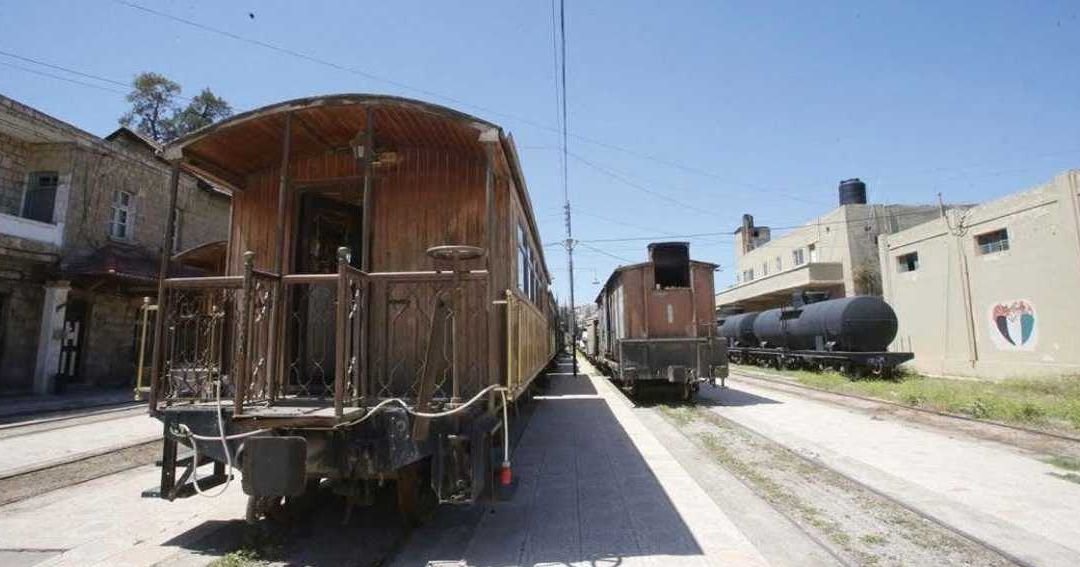
Lebanon is setting in motion a strategic plan to modernize its long-neglected transportation infrastructure, with a particular focus on the revival of the country’s railway sector. The initiative, which seeks to integrate Lebanese transport logistics with broader regional networks, centers on a primary project to establish a direct rail link between the Port of Tripoli and the Syrian city of Homs.
After decades of stagnation that saw the near-total collapse of rail infrastructure across the country, the government is looking to utilize the Port of Tripoli as a gateway for renewed trade connectivity. The ambitious project is currently slated for a 2027 completion, marking a significant milestone in efforts to restore cross-border logistical cooperation between Lebanon and Syria.
The proposed connection is expected to significantly enhance the movement of goods and cargo, potentially transforming the Port of Tripoli into a vital regional hub. By bridging the gap between the Mediterranean coast and the inland Syrian railway system, the initiative aims to facilitate more efficient freight transport, reducing reliance on road haulage and addressing long-standing capacity constraints at Lebanese port facilities.
For the regional economy, the railway link represents a major step toward reintegrating Lebanon into the trans-Levantine commercial corridors. The project has been identified as a key component in the broader push to modernize Lebanon’s logistics capabilities and diversify its economic infrastructure. Analysts note that the rail line is expected to lower transportation costs for regional exporters and bolster the competitiveness of the Tripoli port in the face of rising demand for efficient maritime and land transit routes.
While the project faces substantial operational and funding hurdles following years of economic volatility, the development signifies a renewed commitment to infrastructure growth. The government’s focus on the Tripoli-Homs connection underscores the strategic importance of north-south trade routes in the Mediterranean Levant. Efforts are currently underway to assess the technical requirements and regulatory alignment necessary to harmonize operations with the existing Syrian railway network, ensuring that the infrastructure remains compatible with regional standards.
As the 2027 deadline approaches, the project will serve as a barometer for the future of Lebanese-Syrian infrastructure coordination. The successful implementation of this rail link could lay the foundation for further modernization efforts within the sector, potentially expanding the country’s rail network to encompass broader internal and external connections in the coming decade.