

Trump Links Future Oil Price Declines to Resolution of Iran Conflict
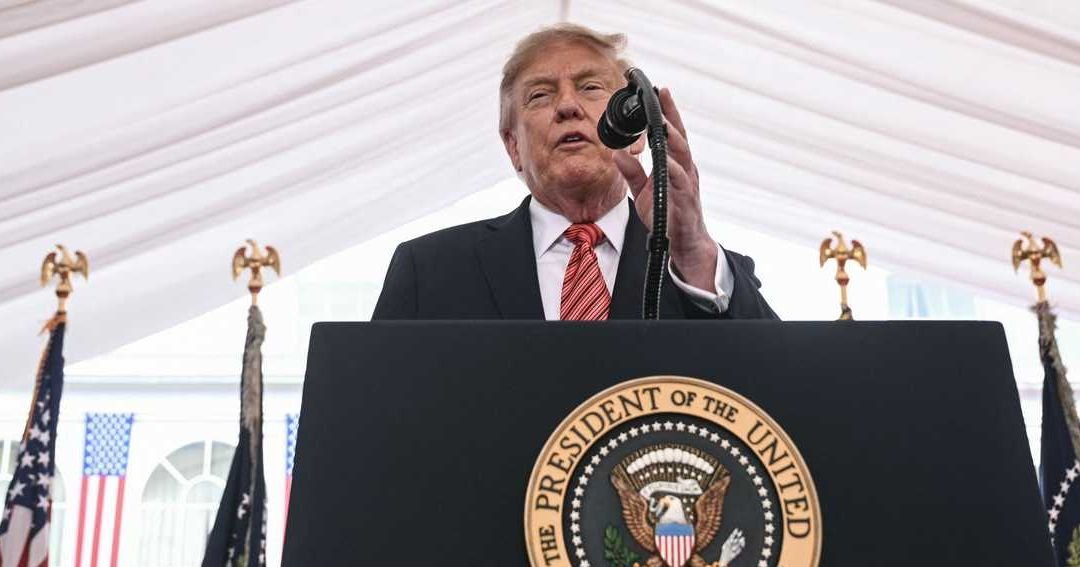
Former United States President Donald Trump addressed the relationship between regional geopolitical tensions and global energy markets on Monday, suggesting that a resolution to the ongoing conflict with Iran would lead to a decline in oil prices. The remarks highlight the persistent sensitivity of international energy markets to developments within the Middle East, specifically regarding the security landscape involving Iran.
Global energy markets have historically viewed the geopolitical situation in the Middle East as a primary factor in the volatility of oil prices. Because a significant portion of the world’s crude oil supply transits through the Persian Gulf and the Strait of Hormuz, developments in the security environment directly impacting Iran are closely monitored by global stakeholders and investors. The interplay between international diplomacy, regional stability, and energy production remains a constant concern for markets, as any perceived escalation in tensions often results in upward pressure on prices due to concerns over supply chain disruptions and regional security risks.
By framing the stabilization of oil prices within the context of the conflict with Iran, the former president underscored the strategic importance of the region to the broader global economy. The volatility of the oil market remains heavily influenced by the interplay between diplomatic relations, sanctions, and the military posture of regional actors. Analysts often point to the high level of interconnectedness between the political stability of Iran and its neighbors and the price per barrel of oil, noting that any significant shift in regional policy or military engagement can have immediate, tangible effects on commodity exchanges.
Energy security remains a vital pillar of foreign policy for nations involved in Middle Eastern affairs. The reliance on consistent energy flows ensures that the geopolitical health of the region remains under constant scrutiny. While the specifics of the current situation were not expanded upon in the recent comments, the statement serves as an acknowledgement of the critical link between the diplomatic and security challenges involving Iran and the pricing mechanisms that govern global petroleum markets.
As stakeholders look toward future market performance, the discourse around the resolution of regional conflicts continues to serve as a bellwether for potential energy price stabilization. The interplay between political strategy and energy markets is a central theme in the analysis of the current Middle Eastern climate, emphasizing that the path toward economic stability in the sector is often inextricably tied to the broader security landscape of the region.