

Switzerland Raises 2026 Growth Forecast to 1.7% Amid Energy Risks
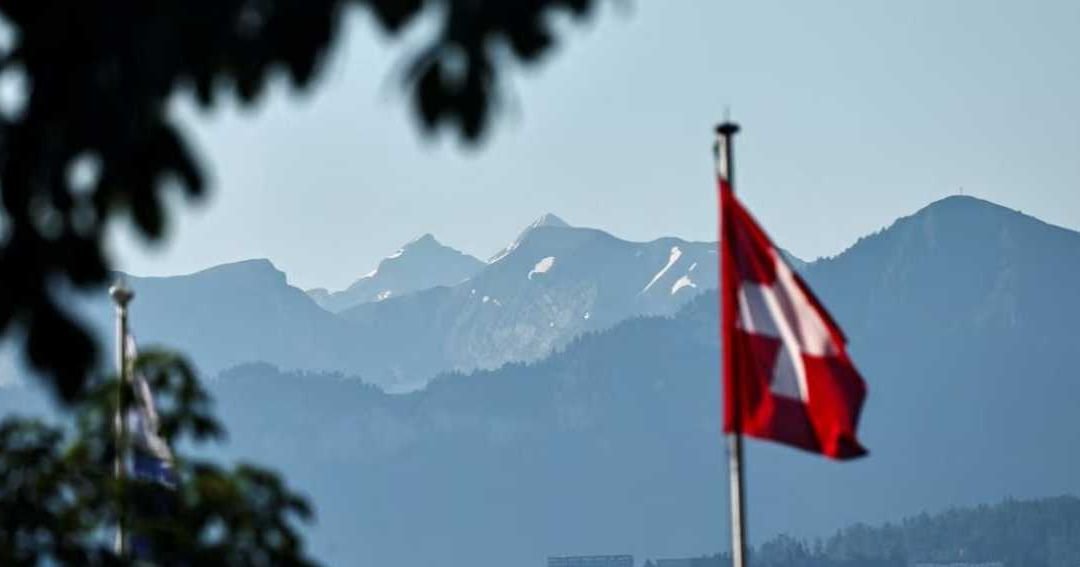
The Swiss Ministry of Economic Affairs announced on Thursday that it has revised its economic growth outlook for 2026, raising its forecast to 1.7 percent. This adjustment reflects expectations of a more robust economic performance than previously anticipated, despite persistent external pressures facing the nation’s economy.
While the updated growth figures indicate a generally optimistic trajectory for the Swiss economy, the government highlighted that this growth remains subject to significant international volatility. A central concern cited by the Ministry is the ongoing regional instability linked to the war with Iran. According to the Swiss authorities, the conflict is introducing substantial risks to the global energy landscape, particularly regarding energy security and rising costs.
Energy-intensive sectors in Switzerland are particularly sensitive to fluctuations in the global market. The potential for further price hikes or supply chain disruptions resulting from the heightened tensions in the Middle East poses a direct challenge to the nation’s economic stability. Swiss policymakers are closely monitoring the situation, noting that the economic impacts of the conflict could manifest through higher energy procurement costs, which may dampen domestic industrial production and affect consumer purchasing power.
The revised forecast takes into account the broader European economic environment, which remains sensitive to geopolitical developments. As a major financial hub and an export-oriented economy, Switzerland’s outlook is inherently tied to the stability of global trade routes and the cost of essential commodities. The explicit mention of the conflict involving Iran as a primary risk factor underscores the sensitivity of the Swiss economy to geopolitical developments within the Middle East, particularly those impacting the energy sector.
Beyond the geopolitical risks, the government’s growth projections are supported by expectations of stable demand and continued resilience in the services sector. However, the ministry cautioned that any escalation in the Middle East could lead to further inflationary pressures, complicating the path for the national economy. The government plans to maintain a close watch on regional security developments, acknowledging that its 1.7 percent growth target is contingent upon the international environment avoiding severe energy market shocks.
This upward revision signals a confidence in Switzerland’s underlying economic fundamentals, even as the government remains wary of the unpredictable consequences of the conflict with Iran. For the time being, the focus remains on navigating the potential volatility caused by energy market fluctuations as the nation pursues its revised economic growth goals for the coming year.