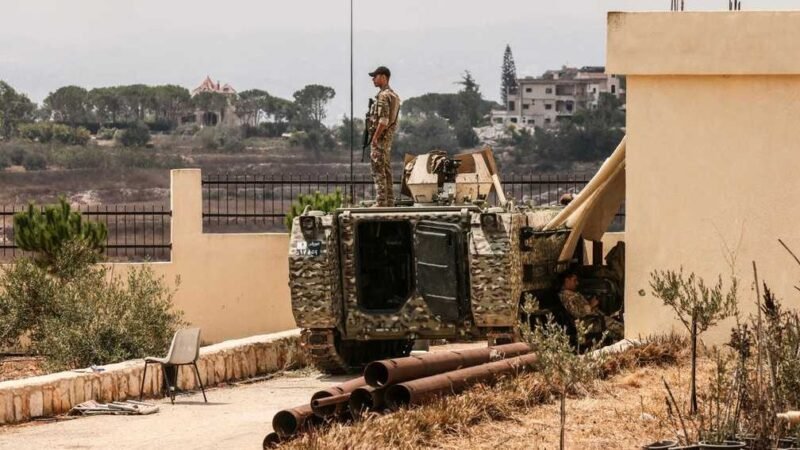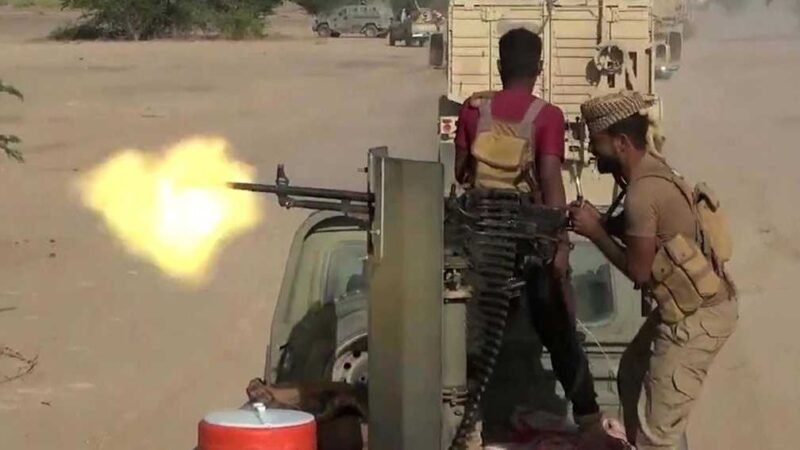


Yemen Sees Sharp Military Escalation Amid Border Clashes
The conflict in Yemen has entered a period of intense military volatility, with observers describing the current level of violence as the most significant escalation since the nationwide truce was established in 2022. The surge in hostilities has seen a return to direct aerial engagements and ground offensives, threatening to dismantle the fragile calm that has held in various parts of the country over the past two years.
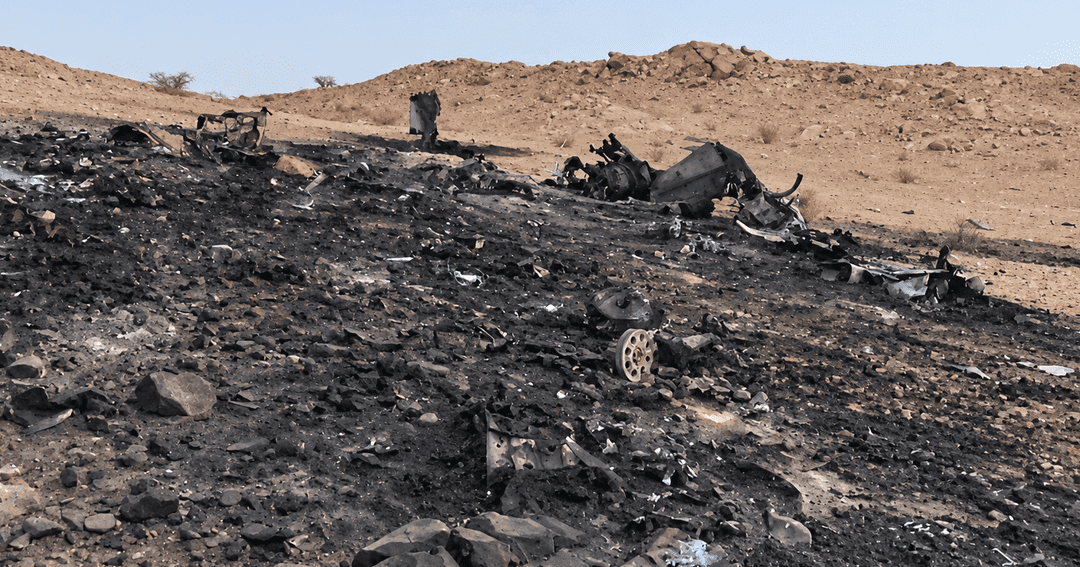
According to reports from Houthi-aligned sources, Saudi-led coalition aircraft have conducted a series of targeted airstrikes in the Abs district and the central governorate of Taiz. These operations represent a notable increase in kinetic activity, marking a return to the patterns of aerial warfare that defined the earlier years of the long-standing conflict. The strikes in Taiz, a strategic and highly contested region, underscore the renewed pressure on frontlines that had seen relative stagnation during the period of de-escalation.
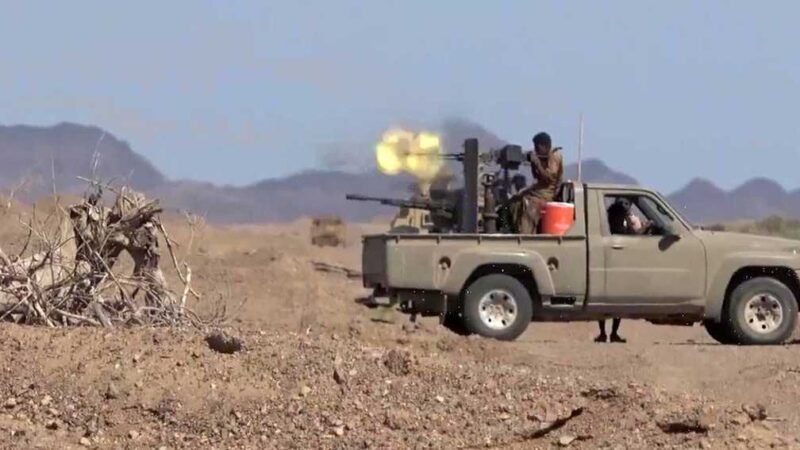
Simultaneously, the ground war has intensified along the northern border. Reports indicate that forces loyal to the Yemeni government have initiated significant military movements and achieved territorial gains within the Al-Jawf governorate. This region, which shares a direct and porous border with Saudi Arabia, has historically been a flashpoint for strategic control and cross-border security concerns. The movement of government forces into this area represents a calculated shift in tactical operations, aimed at reclaiming territory and challenging Houthi influence in the northern reaches of the country.
This spike in violence is particularly concerning for regional stability, as it occurs against a backdrop of delicate diplomatic efforts to find a long-term resolution to the Yemeni crisis. The 2022 truce, which initially provided a path toward a potential political settlement, has been increasingly strained by recurring skirmishes and the breakdown of communication channels between the warring factions.
Analysts monitoring the region have noted that the synchronicity of the Houthi reports regarding airstrikes and the government’s ground operations in Al-Jawf signals a collapse of the informal status quo that prevented full-scale warfare for the past two years. The involvement of border areas suggests that the strategic focus of the combatants has shifted back toward securing key supply lines and defensive positions along the frontier. As of now, the situation remains fluid, with no clear indication of a return to the de-escalation measures previously brokered by international mediators. The intensification of these frontlines suggests that both sides are prioritizing military leverage as the primary vehicle for asserting their respective positions in the ongoing conflict.