

AI Integration Transforms Remote Hiring Standards in the MENA Region
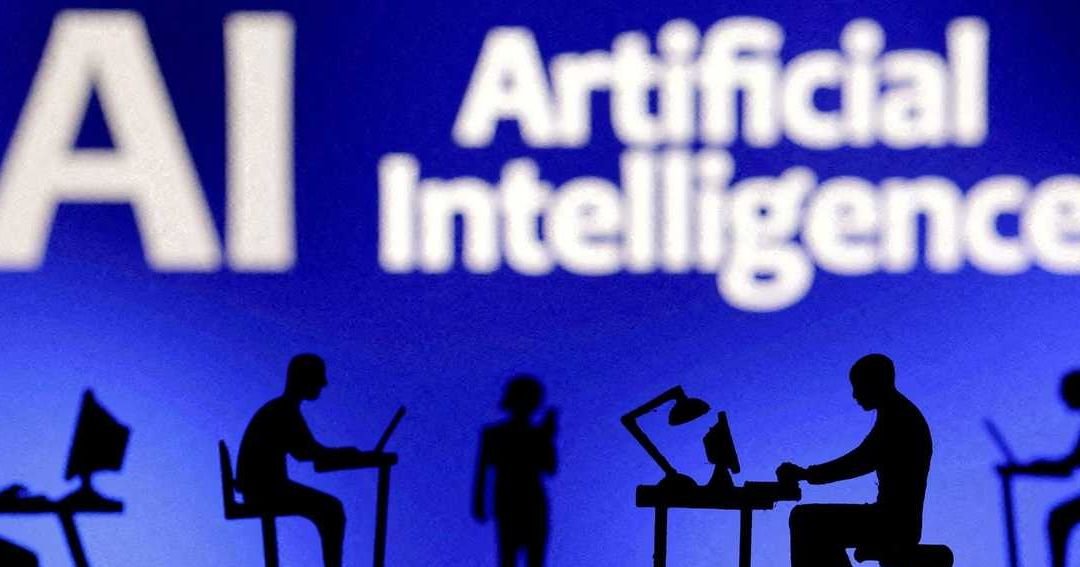
The rapid integration of artificial intelligence into the professional landscape has introduced a transformative, yet challenging, dynamic for recruitment across the Middle East and North Africa. As remote work continues to be a staple in the region’s evolving labor market, the widespread accessibility of AI-driven tools that provide real-time assistance during interviews has forced employers to overhaul their traditional hiring protocols.
For many firms in the region, the reliance on virtual interviews has become a logistical necessity to tap into global and regional talent pools. However, this shift has created a significant verification gap. Employers are increasingly concerned that the sophisticated outputs generated by AI during video interviews—ranging from real-time communication support to technical task assistance—may not accurately reflect a candidate’s independent competency or actual skill level. This has sparked a broader debate among regional business leaders and human resources departments regarding the necessity of reintroducing rigorous, controlled assessment methods.
Human resources experts indicate that the challenge lies in distinguishing between a candidate’s ability to leverage modern technology effectively and their underlying expertise. While AI literacy is becoming a desired professional trait, there is a clear distinction between using technology as an assistant and relying on it as a substitute for professional capabilities. Consequently, companies are moving toward a multi-layered evaluation framework. This includes shifting away from reliance solely on remote video interviews in favor of proctored virtual assessments, live coding challenges, or practical, time-sensitive simulation exercises that limit the ability of an applicant to utilize external generative AI support during the process.
Furthermore, the concern extends to the onboarding process, where companies are now placing a higher premium on in-person or high-stakes verification steps to confirm that the person hired is indeed the person who displayed the requisite skills during the recruitment phase. This trend is particularly prevalent in sectors where high-level technical proficiency and complex problem-solving are non-negotiable, such as the growing technology hubs in the Gulf and the financial services sectors in the broader MENA region.
The adoption of these new hiring standards represents a significant pivot for the regional labor market. Organizations are no longer simply assessing what a candidate can deliver in a vacuum, but are scrutinizing the process by which that delivery is achieved. As AI continues to evolve, the challenge for employers in the Middle East will remain finding a delicate balance: fostering an environment that embraces digital transformation and innovation, while maintaining the integrity and reliability of their human capital acquisition strategies. The shift underscores a broader regional trend where digital adoption is being met with a counter-balancing increase in administrative and technical oversight to ensure long-term corporate performance.