

Israeli Airstrikes Target Nabatieh in Southern Lebanon
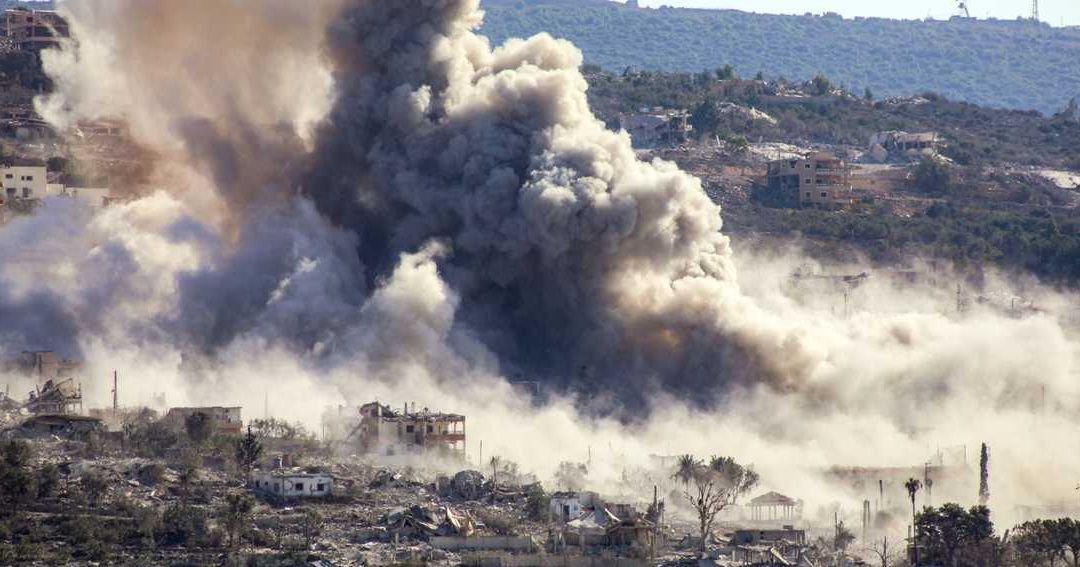
Israeli military forces launched a series of intense airstrikes against the town of Nabatieh Al-Fawqa in southern Lebanon on Saturday, according to local reports. The aerial bombardment reportedly resulted in the formation of what has been described as a “fire belt” across the area, a term frequently used to denote a succession of rapid, high-intensity strikes targeting a specific geographic corridor.
Local authorities and witnesses in the Nabatieh region reported hearing multiple explosions throughout the afternoon as the strikes targeted the town. The intensity of the bombardment has raised immediate concerns regarding the humanitarian impact on the local civilian population, as well as the potential for further escalation in the ongoing regional security situation.
The strikes on Nabatieh Al-Fawqa represent a significant development in the broader context of the security dynamics along the southern Lebanese border. Nabatieh serves as a major administrative and social hub in southern Lebanon, and its proximity to the frontline of the current hostilities makes it a focal point for regional security monitoring.
As the situation develops, the impact of these strikes remains a primary concern for local residents and regional observers alike. While the immediate objective of the military operation was not detailed in the available information, the use of large-scale aerial maneuvers suggests a high-intensity engagement in the sector. The area has been subject to ongoing regional friction, and these latest developments mark a continuation of the military activity that has defined the border region in recent months.
Emergency services and local civil defense teams are currently assessing the extent of the damage in the aftermath of the airstrikes. The scale of the “fire belt” formation underscores the severity of the engagement, which has heightened tensions significantly in the Nabatieh district. Further details regarding casualties or specific structural damage resulting from the strikes have not yet been provided, as the security situation in southern Lebanon remains fluid and volatile.
This incident adds to the growing list of security developments in southern Lebanon, where the exchange of fire across the border has remained a persistent reality for the surrounding communities. The intensity of Saturday’s strikes indicates an ongoing effort by the involved parties to exert strategic pressure within the theater of operations. As the regional situation continues to evolve, the focus remains on the immediate tactical outcomes of these strikes and their implications for the safety of the civilian population in southern Lebanon and the broader security landscape in the border territory.