

Iran President Admits Inflation Outpaces Wage Increases
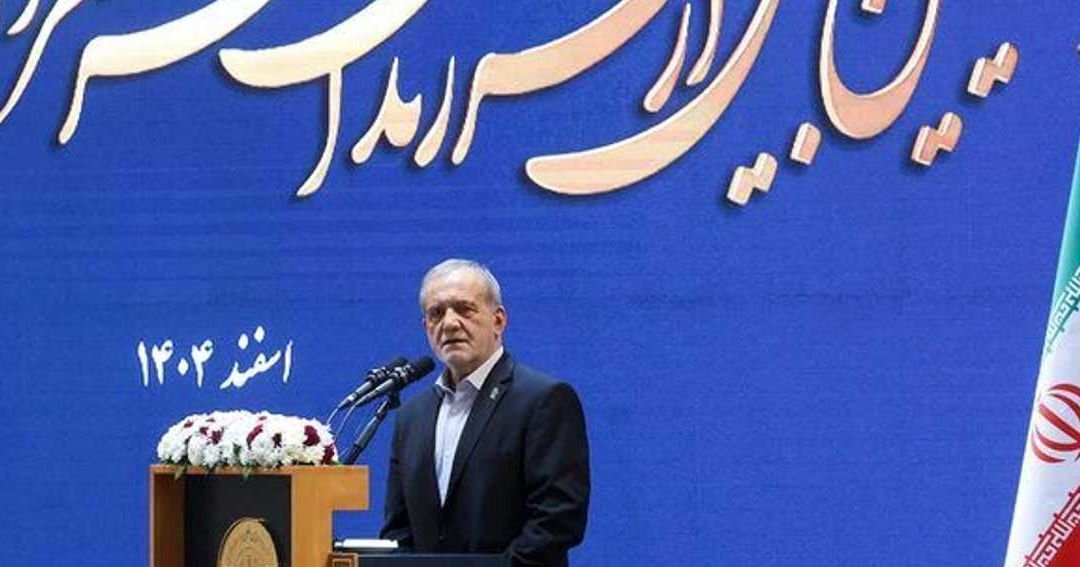
Iranian President Masoud Pezeshkian made a candid admission on Monday regarding the country’s ongoing economic struggles, acknowledging that the persistent surge in inflation is effectively consuming any gains made by salary increases. The statement highlights the deepening financial pressure on Iranian households as they grapple with the rising cost of living and the devaluation of the national currency.
During his remarks, President Pezeshkian confirmed that while adjustments to wages are intended to assist workers in keeping pace with economic demands, these measures have proven insufficient in the face of rapid price hikes across essential goods and services. The admission serves as a rare, direct acknowledgment from the country’s leadership regarding the limitations of current fiscal policies to curb the erosion of purchasing power among the Iranian public.
The economic environment in Iran remains constrained by a variety of factors, including the impact of international sanctions and systemic challenges within the domestic production sector. For years, the country has navigated volatile inflationary pressures that have complicated efforts by the government to stabilize the economy and provide a sustainable standard of living for its citizens.
Economic analysts have long pointed to the widening gap between state-mandated salary adjustments and the actual rate of consumer inflation. The President’s latest acknowledgment suggests an awareness at the highest levels of government that traditional mechanisms for addressing wage stagnation are failing to protect the middle and lower classes from the brunt of the country’s economic volatility.
As the administration continues to seek pathways to mitigate these pressures, the challenge of balancing necessary fiscal discipline with the urgent needs of a struggling workforce remains a central concern. The President’s comments underscore the complexity of managing an economy where inflation remains a persistent hurdle to long-term stability and social welfare.
While the government has previously emphasized efforts to improve the national economic landscape, this recent admission underscores the significant disparity between official economic policies and the daily reality faced by the average Iranian. The discourse now turns to how the current administration intends to address these structural issues as the cost of living continues to climb.
For many in the region, the internal economic challenges facing Iran are closely watched due to their implications for regional stability and the broader political climate. The struggle to maintain price stability is expected to remain a priority for the government as it works to address both domestic criticism and the broader economic challenges impacting the nation.