

Navi Pillay Nobel Win Sparks Criticism Over Gaza Genocide Findings
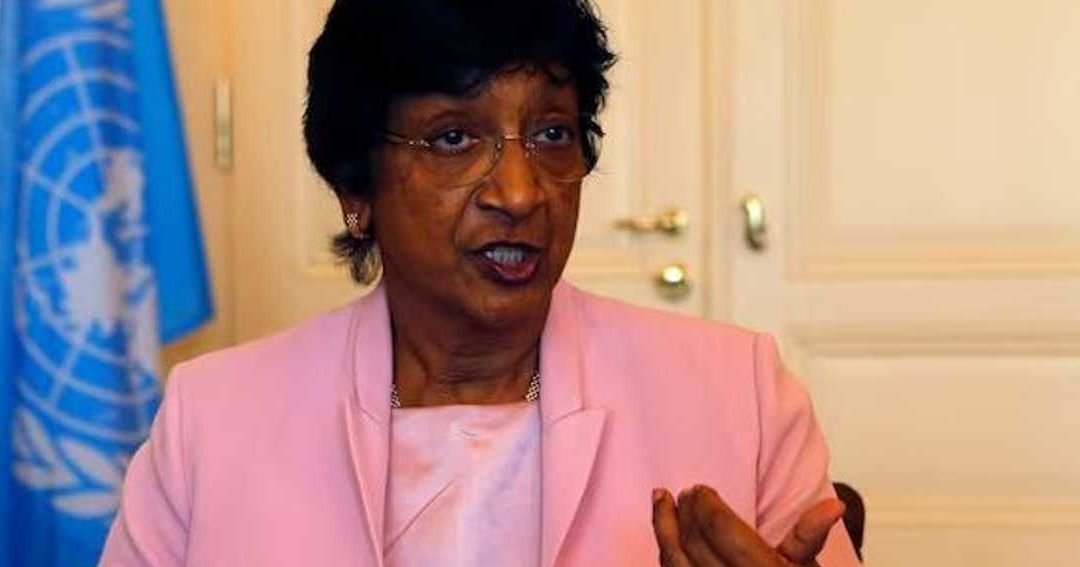
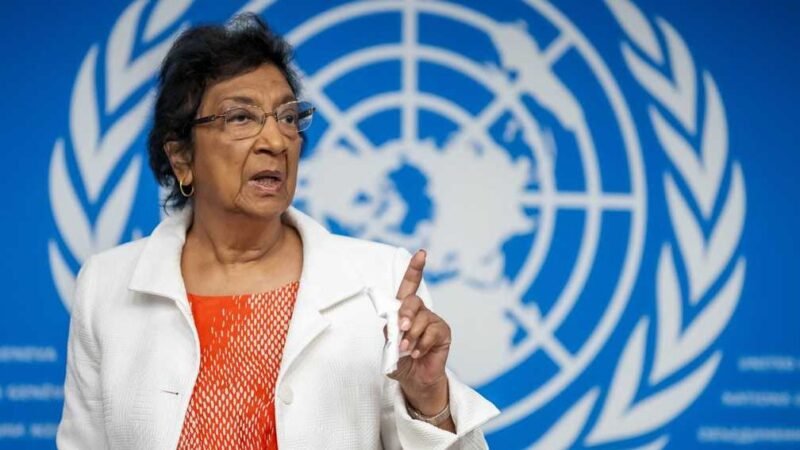
The decision to award the 2026 Nobel Peace Prize to former South African judge and human rights official Navi Pillay has ignited a firestorm of controversy, drawing intense condemnation from the Israeli government and affiliated organizations. The accolade has also become a focal point of friction among international political figures, including allies of former US President Donald Trump, who have voiced strong opposition to the selection.
The criticism directed at the Nobel committee stems primarily from Pillay’s prominent role as the chair of a United Nations commission of inquiry. Under her leadership, the commission conducted an investigation into the conflict in Gaza, ultimately concluding that Israel had committed acts of genocide. The findings, which were released amid the ongoing and volatile humanitarian crisis in the Gaza Strip, have been vehemently rejected by Israeli officials, who view the Nobel committee’s recognition of Pillay as a validation of biased institutional narratives.
For the Israeli government, the award is seen as a diplomatic setback, interpreted as a tacit endorsement of the commission’s conclusions regarding the military campaign in Gaza. Critics associated with the Israeli position argue that the UN inquiry operated with a predetermined bias and ignored the security context that triggered the conflict. In the wake of the announcement, advocacy groups aligned with Israel have criticized the Nobel Foundation, alleging that the prize serves to legitimize findings that they contend are legally and factually flawed.
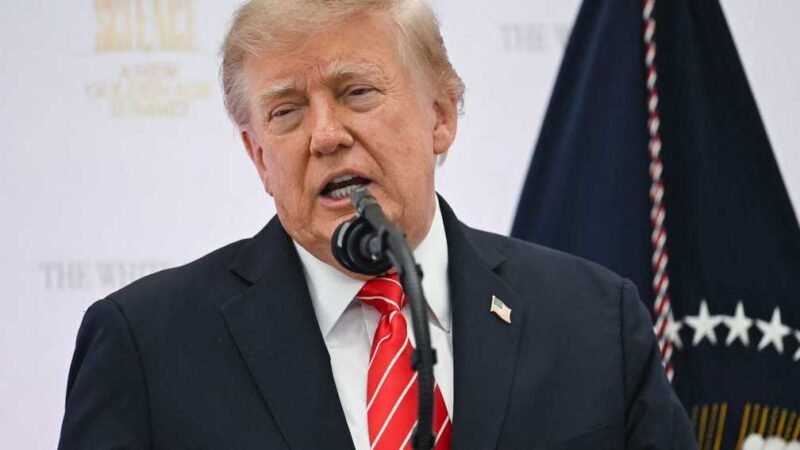
The controversy has also transcended the immediate Middle Eastern theater, drawing in international political figures who have long opposed the mechanisms of UN-led human rights investigations. Allies of former US President Donald Trump have decried the selection, framing it as part of an anti-Israel trend within global multilateral institutions. The pushback reflects a broader ongoing divide over the role of international bodies in adjudicating the conflict in the Palestinian territories.
The Nobel Peace Prize, historically intended to honor individuals who have done the most for the cause of international fraternity, has in this instance become deeply entangled in the geopolitical disputes surrounding the Middle East. As the fallout from the announcement continues, the reaction from Israel and its supporters highlights the widening gap between proponents of UN human rights investigations and those who maintain that such bodies are unfairly targeting the Israeli state. Neither the Nobel committee nor Pillay has moved to soften their stance in response to the pressure, ensuring that the legacy of the commission’s findings will remain a point of significant contention in regional and international diplomacy for the foreseeable future.