Netanyahu Reveals ‘Short and Sharp’ Phone Call with Ahmed al-Sharaa
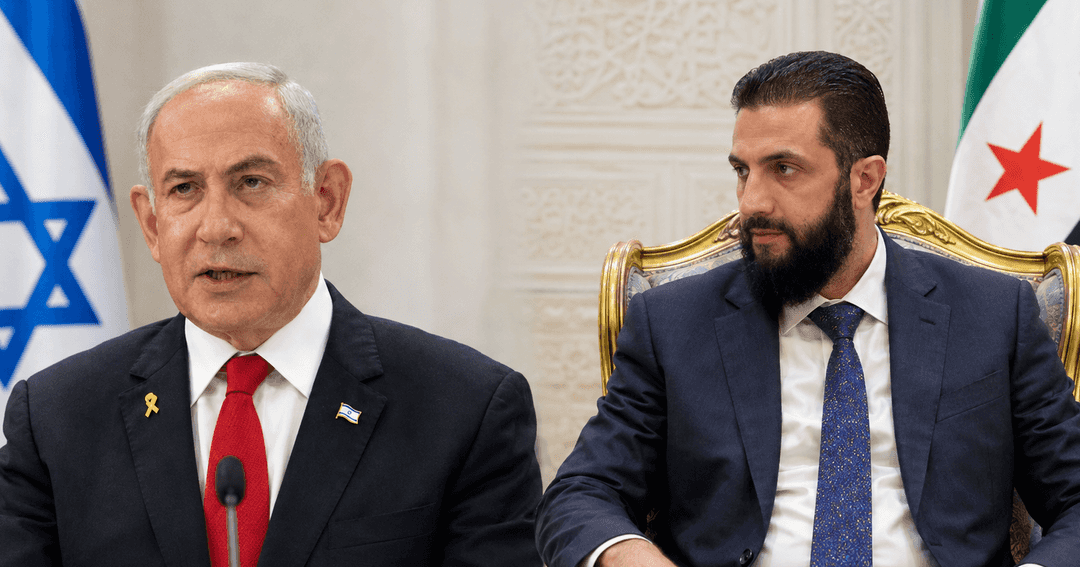
Israeli Prime Minister Benjamin Netanyahu has publicly disclosed the details of a previously undisclosed diplomatic interaction, revealing that he engaged in a “short and sharp” telephone conversation with Syrian President Ahmed al-Sharaa. The communication, according to the Prime Minister’s office, took place more than a year ago.
The disclosure marks a rare moment of transparency regarding high-level contact between the leadership of Israel and Syria, two nations that have remained in a state of official war for decades. The brief nature of the exchange, as described by Netanyahu, underscores the strained and complex diplomatic landscape that characterizes the relationship between Tel Aviv and Damascus.
While the Israeli Prime Minister offered little in the way of specific thematic details regarding the conversation, the acknowledgment of the call itself provides insight into the communication channels that exist, even if only sporadically, between the two regional neighbors. Historically, interactions between Israeli and Syrian officials have been conducted largely through intermediaries or in the context of security-related de-confliction mechanisms, particularly concerning activities along the Golan Heights border.
The reference to the call as “sharp” suggests a conversation centered on urgent or contentious matters rather than a sustained diplomatic dialogue. In the context of broader Middle Eastern geopolitical dynamics, such direct communication is often limited to critical security developments or immediate points of friction that require direct, high-level attention to manage or contain potential escalation.
Since the start of the civil conflict in Syria, Israel has maintained a policy of avoiding direct involvement in the domestic affairs of its neighbor, while simultaneously asserting its commitment to preventing the entrenchment of hostile forces along its northern border. Any direct channel of communication with the Syrian leadership, therefore, remains a subject of significant regional interest, as it touches upon the delicate balance of power and regional security arrangements in the Levant.
The announcement by Netanyahu comes amidst a period of ongoing regional volatility, where the policies and positioning of both Israel and Syria continue to play a pivotal role in the strategic calculations of various international and local actors. Although the conversation occurred over twelve months ago, the revelation serves as a reminder of the proximity and potential for friction between the two governments. No further details regarding the specific agenda of the call or any subsequent developments resulting from it have been provided by the Israeli Prime Minister’s office. The disclosure stands as a singular account of a direct, if ephemeral, diplomatic engagement between the two heads of state.