Syrian Intelligence Arrests Militant Leader Mihrac Ural
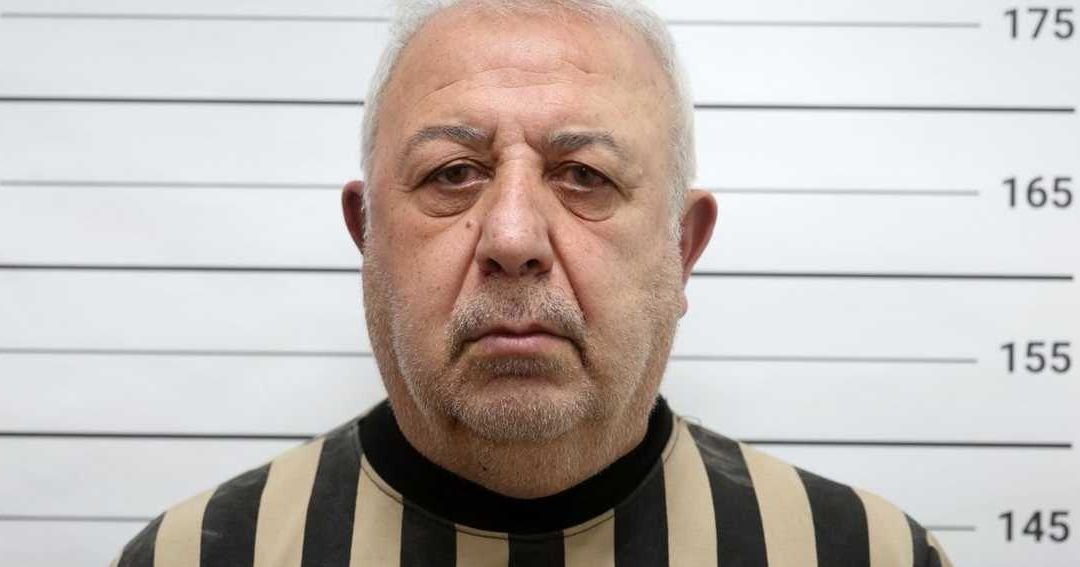
Syrian security authorities have confirmed the arrest of Mihrac Ural, a prominent militant figure widely known for his involvement in regional hostilities throughout the Syrian civil war. According to an official statement issued by the Syrian General Intelligence, the individual—often referred to by his alias Ali Kayali—was taken into custody following an intelligence-led operation.
Ural has long been a subject of significant scrutiny regarding his role in various security developments in Syria over the past decade. He is most notoriously associated with the 2013 massacre in the coastal city of Banias. The events in Banias, which occurred during a period of intense volatility in the region, resulted in significant casualties and remain one of the most documented episodes of violence during the conflict. His detention marks a notable development in the Syrian government’s efforts to address individuals linked to major security incidents and mass violence during the prolonged state of unrest.
Born in Turkey, Ural had operated within Syrian territory for years, heading militias that were involved in various military engagements. His movements and activities have frequently drawn international attention due to his alleged role in directing operations that caused widespread humanitarian suffering. The announcement of his capture by the Syrian General Intelligence is expected to draw substantial interest from regional observers who have been tracking his movements throughout the Syrian conflict.
While the specific circumstances leading to his capture were not detailed in the official announcement, the arrest represents a significant shift in the status of one of the more controversial figures associated with the Syrian conflict. Government officials have indicated that further legal proceedings will follow, as they seek to address his past actions through the formal justice system. The detention of high-profile militants who operated on the periphery of conventional military structures has been a persistent theme as the Syrian state seeks to assert control and manage internal stability.
This arrest is considered a major development for the Syrian security apparatus as it continues to consolidate authority over territories and address the legacies of factional violence that defined the years following 2011. Analysts are watching to see whether this detention will lead to further disclosures regarding the command structures that operated in coastal Syria during the height of the conflict, and whether it signals a broader campaign to apprehend other individuals implicated in similar incidents. For now, the focus remains on the judicial process that the Syrian authorities intend to pursue against him in the coming weeks. The arrest underscores the ongoing, complex security landscape within the country as it deals with the remnants of past militant activities and the challenges of national reconciliation and accountability.