Egyptian and Iranian Foreign Ministers Discuss De-escalation
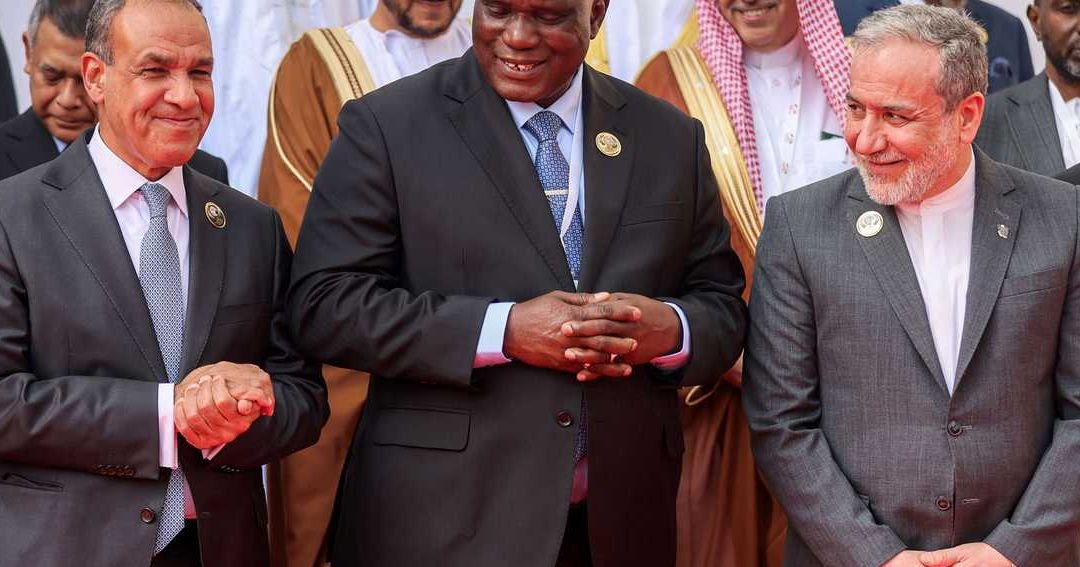
Egyptian Foreign Minister Badr Abdelatty and his Iranian counterpart Abbas Araghchi held high-level discussions on Saturday, focusing on the urgent need to reduce regional tensions and restore diplomatic dialogue. The meeting, which addressed the current security climate in the Middle East, underscores a concerted effort by regional powers to manage the ongoing volatile situation through diplomatic channels.
During the deliberations, the two ministers explored potential avenues to mitigate the risk of further escalation across the region. The conversation highlighted a mutual recognition of the necessity for constructive engagement to navigate the complex security landscape. Both sides emphasized the importance of maintaining open communication lines as a mechanism for addressing the factors contributing to current regional instability.
The engagement between Cairo and Tehran represents a significant development in regional diplomacy, reflecting a broader attempt to stabilize the Middle East amid persistent challenges. By centering their discussions on the need for a de-escalation framework, the ministers signaled a commitment to prioritizing political and diplomatic solutions over military alternatives. The talks aimed to establish a foundation for more consistent communication, which regional observers have long identified as a critical requirement for tempering regional frictions.
While the specific technical details of the proposed de-escalation measures were not released, the focus remained fixed on reviving diplomatic pathways that have frequently been tested by conflicting regional interests. The dialogue reflects Egypt’s active role in its ongoing foreign policy initiatives, which seek to maintain regional equilibrium through mediation and proactive engagement with key regional actors, including Iran.
As the Middle East continues to face a period of high uncertainty, such diplomatic exchanges are viewed as essential for preventing miscalculations that could lead to broader regional conflict. Both ministers reaffirmed their commitment to the diplomatic process, suggesting that further coordination may be required to address the shifting dynamics of the regional security order. The outcome of these talks will be closely monitored, as they serve as a barometer for the potential easing of tensions between Cairo and Tehran, and by extension, the broader regional architecture.
Moving forward, the ability of both nations to translate these initial discussions into tangible outcomes will depend on sustained political will and a willingness to navigate existing differences. For now, the meeting serves as a clear indication that both Egypt and Iran are seeking to leverage diplomatic tools to manage the evolving crisis, prioritizing the containment of hostilities through structured, high-level interaction.