Netanyahu Rebuts Obama Criticism Over Territorial Policies
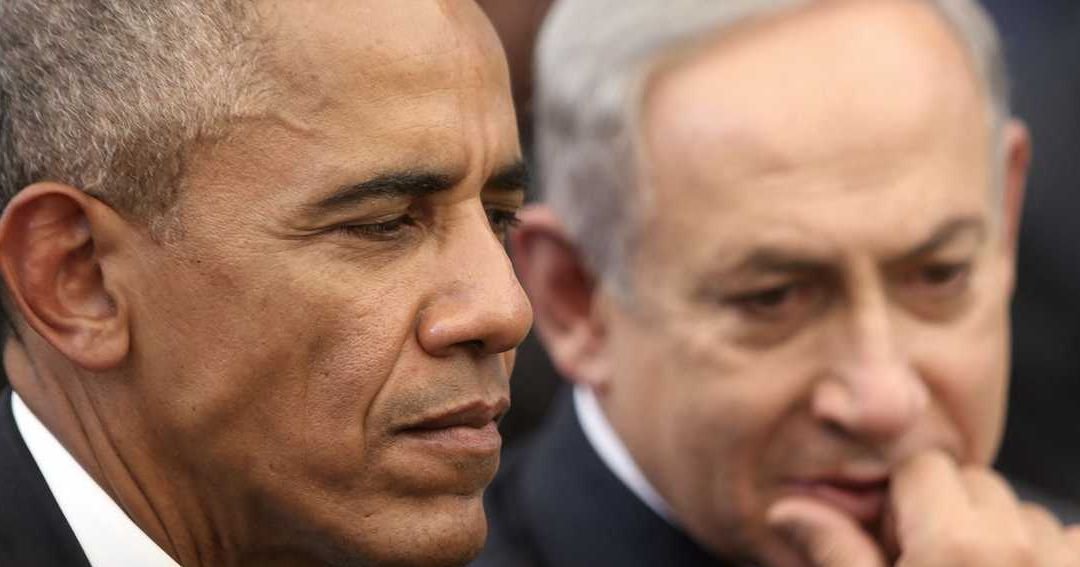
Israeli Prime Minister Benjamin Netanyahu issued a formal response on Friday to critical remarks made by former United States President Barack Obama. The exchange centers on comments in which the former American leader described Israel’s historical conduct toward the Palestinian people as involving the “seizure of land from its owners.”
In his response, the Israeli Prime Minister took direct issue with the former president’s characterization of the regional history and the ongoing territorial disputes that have defined the conflict for decades. The rebuttal from the Prime Minister’s office reflects a broader and long-standing disagreement regarding the narrative of the Israeli-Palestinian conflict, particularly concerning the origins and legal status of land control in the region.
The comments, which appear to have sparked this diplomatic friction, touch upon deeply sensitive issues that continue to dominate Middle Eastern political discourse. By framing the historical context in terms of displacement and land ownership, the former US president’s statement drew a swift reaction from the Israeli leadership, which maintains that its actions are rooted in historical rights, security necessities, and international agreements.
This exchange underscores the persistent tension surrounding the historical and current status of land and sovereignty in the Middle East. For decades, the issue of land ownership and territorial control has been a primary obstacle to achieving a comprehensive and durable resolution to the conflict. The divergence in perspectives—between international observers, former high-ranking diplomats, and the Israeli government—highlights the complexities inherent in discussing the historical narrative of the region.
While the current administration in Washington and international bodies often emphasize the importance of a two-state solution and the cessation of settlement expansion, the rhetoric used by figures such as the former president often resonates differently within the Israeli political establishment. Netanyahu’s decision to address the remarks publicly serves to underscore his government’s rejection of narratives that challenge the legitimacy of Israeli policy regarding the territories.
As the region continues to navigate a volatile political landscape, such verbal clashes between high-profile global figures and current Israeli leadership serve as a reminder of the deeply entrenched positions that characterize the debate over the future of the region. The Israeli administration continues to emphasize that it will not compromise on what it defines as essential security and historical interests, regardless of international critiques or comments from former political leaders. The discourse surrounding these issues remains a core component of the regional political environment, affecting both diplomatic relations and the internal political dynamics within Israel as it faces ongoing challenges regarding its borders and its relationship with the Palestinian territories.