Gaza Faces Food Security Crisis as Aid Reductions Deepen
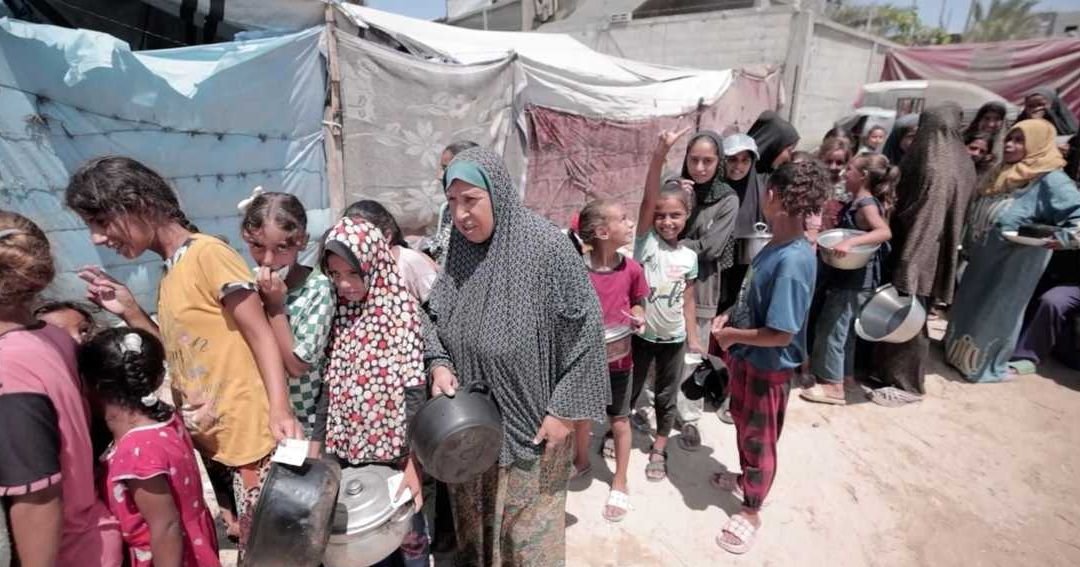
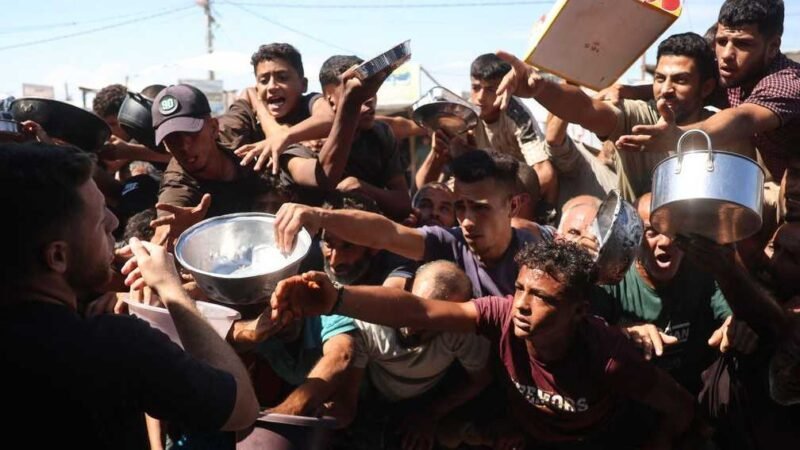
A humanitarian crisis is intensifying in the Gaza Strip as nearly half a million people face the loss of essential food assistance. The World Food Programme (WFP) has been forced to implement significant cutbacks to its operations, reducing the number of monthly beneficiaries from 1.6 million to 1.1 million. This reduction, driven by critical funding shortages, is expected to exacerbate the already dire living conditions of families struggling in an environment defined by prolonged conflict, mass displacement, and soaring prices.
The WFP’s decision to scale back aid comes at a time when the population in Gaza is experiencing extreme vulnerability. With the local economy severely constrained and essential supply chains disrupted, reliance on international food aid has become a primary survival mechanism for a large segment of the population. The reduction in services means that thousands of households who previously relied on consistent support will now face acute challenges in securing their basic nutritional requirements.
For many families in Gaza, the loss of this assistance arrives amidst a broader context of hardship. The combined impact of persistent conflict and ongoing displacement has stripped many residents of their livelihoods, leaving them with few alternatives to feed themselves and their children. Furthermore, the volatility in market prices has made even the most basic food staples increasingly inaccessible for the average household. Local relief organizations have warned that the combination of decreased aid and rising costs creates a compounding effect, threatening the health and stability of the most vulnerable segments of the community.
The WFP has consistently emphasized that its ability to respond to emergencies is directly tied to the availability of international funding. As global attention shifts and budgetary pressures mount, the humanitarian operation in the region faces a precarious future. The current shortfall reflects the broader difficulty in sustaining high levels of emergency assistance over extended periods, particularly in high-conflict areas where access and security constraints further complicate the delivery of aid.
As the reduction in beneficiaries takes effect, concerns are mounting among humanitarian workers and local families alike regarding the potential for an increase in malnutrition and the deepening of the humanitarian deficit. Without a significant influx of new resources or a change in the financial landscape supporting international aid, the population in Gaza remains at risk of further deteriorating living standards. The situation highlights the fragility of the current food security framework and the immense pressure placed on humanitarian actors operating within the Gaza Strip to navigate the consequences of funding shortages while attempting to mitigate the most severe impacts on the civilian population.