Sudan Air Strike on Abyei Market Leaves Nearly 300 Dead
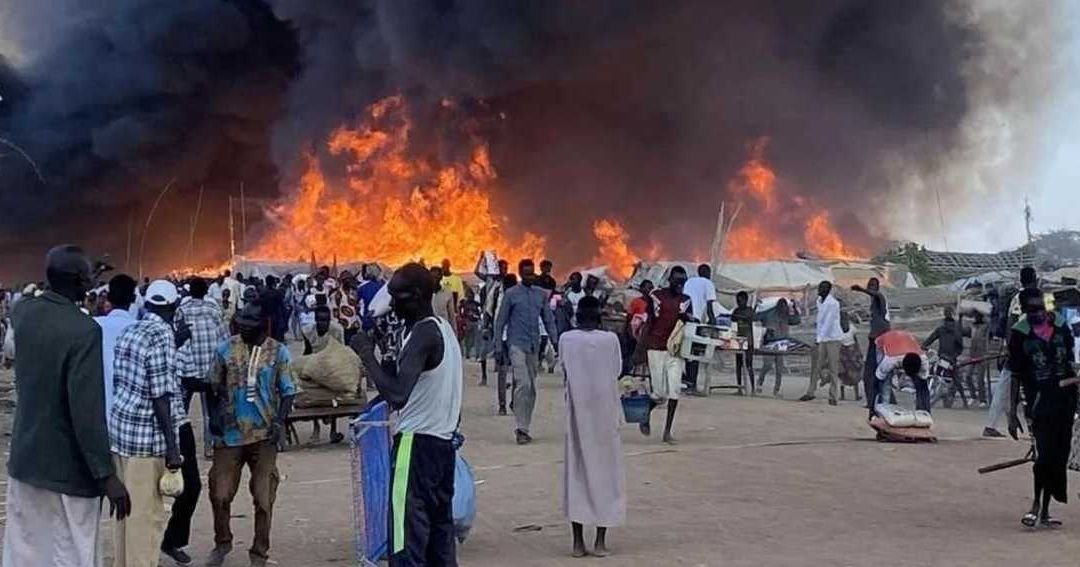
The disputed region of Abyei has been struck by a devastating military attack, resulting in a staggering death toll and a major humanitarian crisis. Local reports indicate that nearly 300 people were killed following a bombardment carried out by drone aircraft operated by the Sudanese army. The strike targeted a crowded market in the area of Amit, marking one of the most lethal aerial assaults recorded since the beginning of the ongoing conflict in Sudan.
As the region grapples with the aftermath of the attack, emergency responders and local residents are struggling to manage the resulting chaos. Fires ignited by the bombardment continue to burn across sections of the market, complicating ongoing efforts to recover the bodies of the victims from the debris. The scale of the destruction has severely hampered rescue operations, leaving many families unable to account for their loved ones.
The immediate consequence of the violence has been a mass exodus of the civilian population. Current estimates suggest that approximately 8,000 people have been forced to flee their homes in search of safety. This wave of displacement adds immense pressure to the already fragile security and social infrastructure in the region, which has long been the subject of territorial disputes and complex power-sharing arrangements.
The involvement of the Sudanese army in this operation has drawn significant scrutiny, particularly following reports of an admission by a high-ranking military officer linked to the administration of General Abdel Fattah al-Burhan regarding the nature of the engagement. The strike on a civilian-populated market area is expected to draw widespread condemnation as the human cost of the Sudanese conflict continues to rise.
International and regional observers remain concerned about the deteriorating situation in Abyei, as the region’s status remains a point of contention between Sudan and South Sudan. The loss of life on this scale signifies a troubling escalation in the military tactics employed during the ongoing civil strife. For the thousands of displaced persons currently seeking shelter elsewhere, the path to recovery remains uncertain, as infrastructure damage and the threat of further violence continue to impede humanitarian access and the return of stability to the affected area. With the death toll expected to potentially rise as recovery efforts proceed, the international community faces growing pressure to address the protection of civilians in zones where military operations are increasingly impacting non-combatant populations.