

Israel Rejects UN Report Allegations on Hebron and Gaza
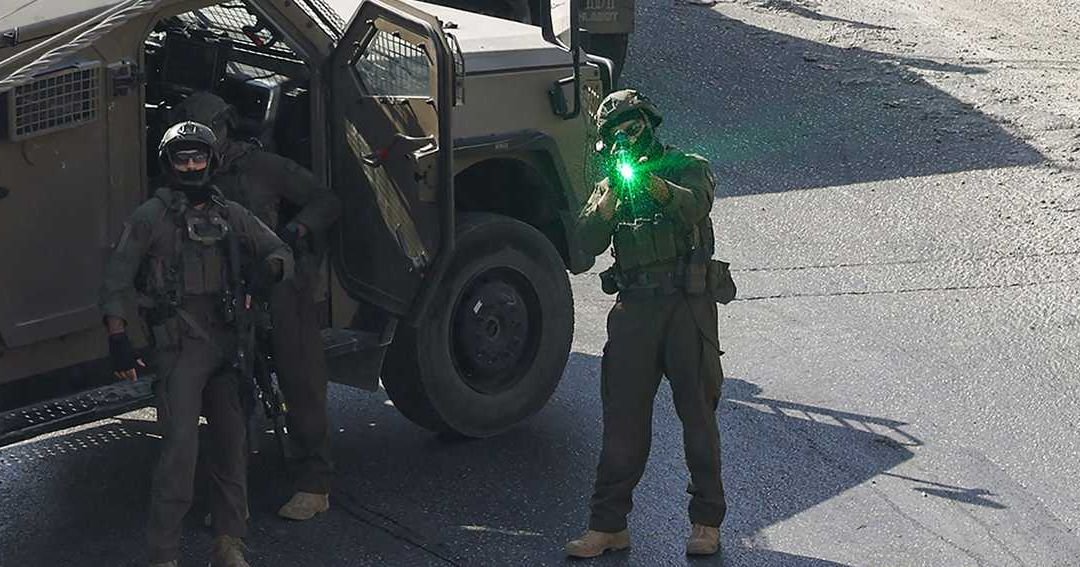
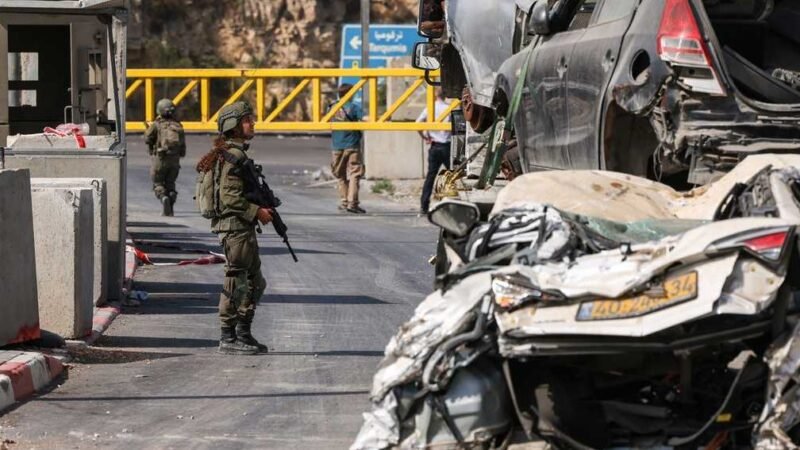
The Israeli government has formally rejected allegations contained in a recent report released by a United Nations commission of inquiry. The report, which addresses the situation in the occupied Palestinian territories, contained serious accusations regarding the conduct of Israeli forces in Hebron and the broader Gaza Strip.
Israeli authorities characterized the findings as nothing more than “political propaganda,” categorically dismissing the accusations leveled by the international body. The UN report had alleged that Israel was responsible for committing crimes against humanity concerning the Palestinian population in the occupied West Bank, specifically referencing concerns over potential ethnic cleansing in the city of Hebron. Furthermore, the report included claims regarding the ongoing military operations in the Gaza Strip, alleging that Israel continues to commit acts of genocide.
The Israeli response serves as a direct rebuttal to the international investigation, which has sought to document human rights developments within the conflict zone. By framing the commission’s conclusions as politically motivated, Israel continues to challenge the impartiality of the UN investigation and the legal frameworks being utilized to assess the humanitarian situation on the ground. The contention highlights the deepening divide between international organizations seeking to address human rights concerns and the state’s position regarding its security operations and territorial control.
As the situation remains volatile, the report and the subsequent dismissal by Israeli officials represent a flashpoint in the ongoing diplomatic tension surrounding the Israeli-Palestinian conflict. The UN commission had pointed toward specific incidents and patterns of behavior in Hebron as evidence of a broader strategy, a claim that Israeli officials maintain is entirely disconnected from the reality of their security requirements in the region.
International bodies have remained focused on the humanitarian consequences of the conflict, with the allegations of crimes against humanity and genocide forming the core of the debate. Israel’s insistence that these claims are driven by political bias rather than factual assessment remains a pillar of its diplomatic strategy in responding to international pressure. The standoff underscores the significant challenges in reaching a consensus on the nature of actions in the West Bank and Gaza, as the rhetoric between the state and international observers continues to intensify. With no sign of the diplomatic impasse breaking, the discourse remains dominated by these conflicting narratives, leaving the regional situation as a focal point of intense international scrutiny and domestic political maneuvering.