Syria Closes Nasib Border Crossing With Jordan Following Airstrikes
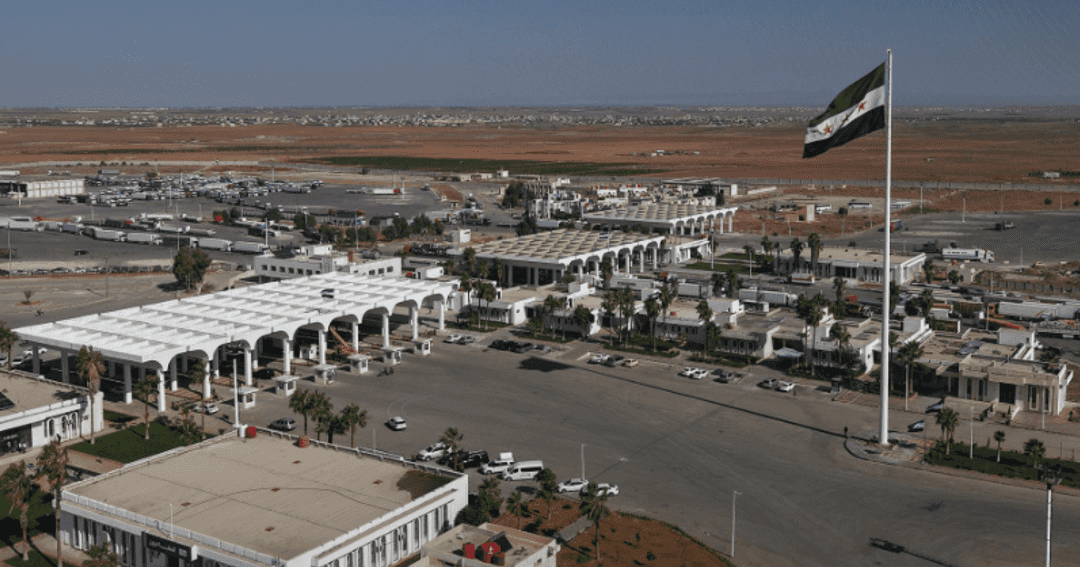
The Syrian General Authority for Borders and Customs has officially announced the closure of the Nasib border crossing, the primary land gateway connecting Syria and Jordan. This decision effectively brings all passenger travel and commercial trade between the two nations to a complete halt, citing the rapidly evolving security situation within the southern governorate of Daraa as the catalyst for the move.
The Nasib crossing, which holds critical importance for regional trade, serves as a vital artery for the flow of goods between Syria, Jordan, and broader markets in the Gulf and the Levant. Its closure underscores the heightened volatility in the region, where recent military developments and reported airstrikes have necessitated immediate defensive measures by border authorities to ensure the safety of transit operations and personnel.
Local authorities indicated that the decision to suspend operations was reached following intensified military activity in the vicinity of Daraa. While the full extent of the damage or the specific nature of the aerial engagements remains under assessment, the immediate impact is the cessation of all transit across the frontier. The crossing serves as a key logistical point for regional supply chains, and its shutdown is expected to cause significant disruption to commercial logistics, transit of goods, and humanitarian access points that rely on this land corridor.
This development marks a significant escalation in the ongoing regional security challenges affecting southern Syria. The Nasib crossing has historically been a barometer for stability in the border region, having faced multiple closures throughout the conflict due to shifts in territorial control and localized combat. The current closure follows reports of airstrikes within the province, reflecting a broader pattern of instability that continues to threaten regional infrastructure and border security.
Security and customs officials in both Syria and Jordan maintain high levels of coordination regarding the status of the border. However, with the current suspension, no clear timeline has been provided for the resumption of services. The Jordanian side, which also relies on this crossing for its trade exports destined for European and regional markets through Syria, is closely monitoring the situation as authorities work to mitigate the economic repercussions of the border closure.
As the situation on the ground remains fluid, the priority for authorities is the containment of risks emerging from the military developments in Daraa. The closure remains in effect until further notice, pending a comprehensive evaluation of the security environment and the ability to safely restore transit and customs operations at the facility.