Arab Parties Report Strong Gains in Israeli Parliamentary Elections
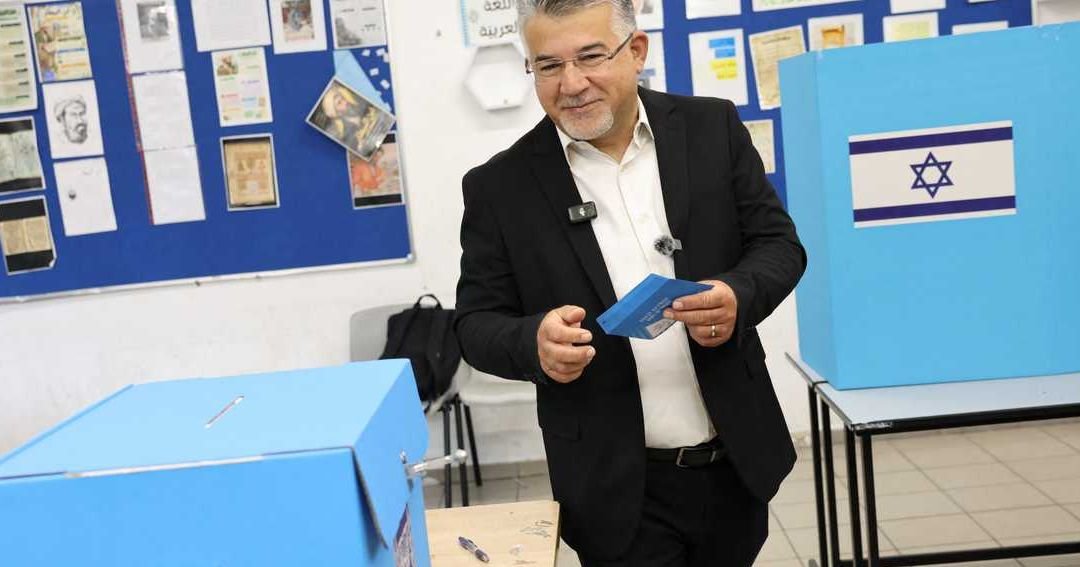
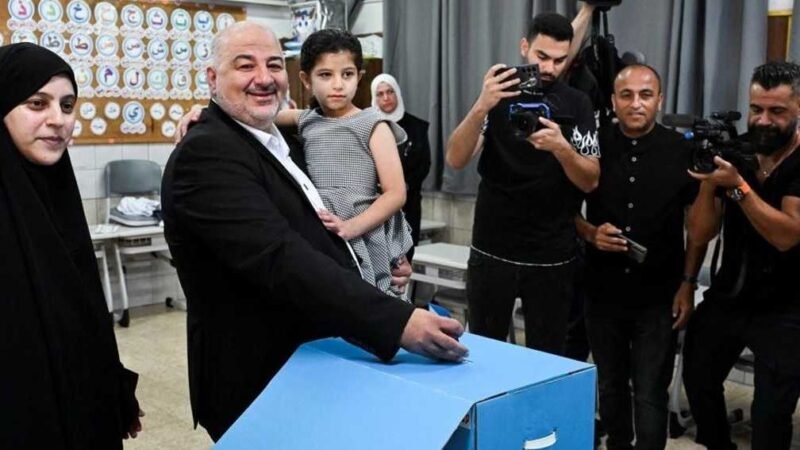
Initial exit poll results from Israel’s latest parliamentary elections indicate that Arab political parties have secured a significant increase in support. The data, released following the closure of polling stations on Tuesday, points to a notable mobilization of the electorate and a stronger-than-expected showing for these political factions within the national legislature.
As votes continue to be counted, the preliminary figures suggest that Arab-led lists and parties representing the Arab community in Israel have successfully garnered a substantial number of mandates. Political analysts have been closely monitoring these developments, noting that the voter turnout and support levels represent a pivotal shift in the ongoing Israeli electoral cycle. The outcome is seen as a reflection of changing political dynamics among the Arab voting bloc, which has historically played a critical role in the composition of the parliament.
While final official results are still pending the completion of the ballot count, the exit polling is widely viewed as a primary indicator of current electoral trends. The political landscape in Israel remains highly fluid, and the performance of these parties is expected to influence the subsequent process of coalition building. The success of Arab parties in maintaining or expanding their presence in the legislature could impact the parliamentary arithmetic, potentially altering the leverage these groups hold in future legislative negotiations.
This election follows a period of intense political activity and public debate, with various parties focusing on key socio-economic and national issues. The performance of the Arab parties, as suggested by the exit polls, highlights the importance of the Arab demographic in the national political discourse. Observers are now awaiting the final confirmation of these figures from the central electoral commission to understand the full scope of the shift in seats and the potential implications for the incoming government.
For now, the focus remains on the integrity of the counting process and the final distribution of legislative seats. The results of this parliamentary cycle will determine the future direction of government policy and the strategic alignment of the diverse political factions represented within the house. The engagement of the electorate and the subsequent impact on the legislative composition remain at the center of regional analysis as stakeholders navigate the implications of these developments for the country’s political future.