Sudan Education Crisis: 8 Million Children Denied Schooling
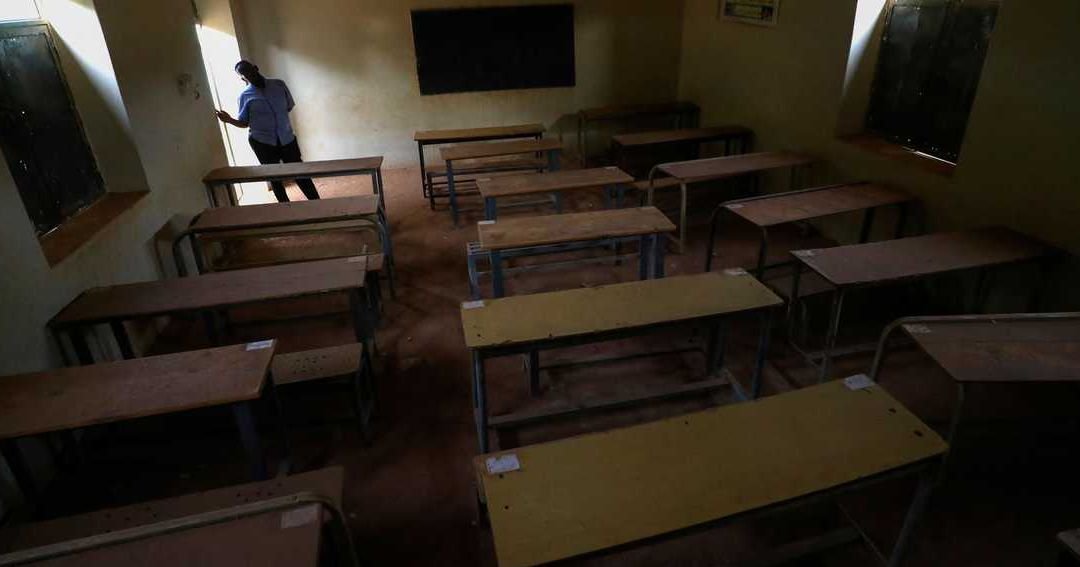
The educational landscape in Sudan has reached a critical breaking point, with new data indicating that eight million children are currently being denied the right to education. A comprehensive survey conducted by Care International highlights a catastrophic decline in the country’s scholastic environment, painting a grim picture of a system struggling to provide basic necessities to its youth.
According to the findings, the primary barriers to education extend far beyond the typical classroom challenges, focusing heavily on the absence of fundamental infrastructure. The report reveals that more than 90 percent of schools across the nation are grappling with a severe, chronic lack of access to clean water. This widespread deficiency has created an environment that is not only detrimental to the quality of learning but also physically unsafe for students and teachers alike.
Compounding the crisis is the near-total absence of sanitary facilities within these educational institutions. The survey points out that the vast majority of schools lack functional toilets, a reality that exacerbates public health risks and forces many families to keep their children home rather than risking their health in compromised environments. The inability of the school system to provide clean water and hygiene facilities has effectively halted the educational progress of millions of young Sudanese.
This humanitarian emergency represents a significant setback for the future of Sudan’s next generation. As schools struggle with these dire conditions, the social and economic consequences for the country are expected to be profound. Access to education is a critical pillar for national development, and the current state of neglect in Sudanese schools threatens to leave an entire generation without the foundational skills necessary to contribute to the nation’s reconstruction and long-term stability.
The report underscores the urgency of addressing basic infrastructure needs as an immediate priority for humanitarian efforts in Sudan. Without a concerted intervention to restore water and sanitation systems to the country’s schools, the number of children excluded from the classroom is likely to remain high, further entrenching the cycle of poverty and lack of opportunity. The situation in Sudan reflects the broader challenges of maintaining essential services in a fragile environment, where the breakdown of public utilities has a direct and devastating impact on the most vulnerable members of society. As international and local stakeholders evaluate the path forward, the focus remains on the urgent need to stabilize the educational sector and ensure that the right to learning is protected amidst the ongoing national crisis.