Arab Lawmakers Face Dilemma in Israel’s Political Landscape
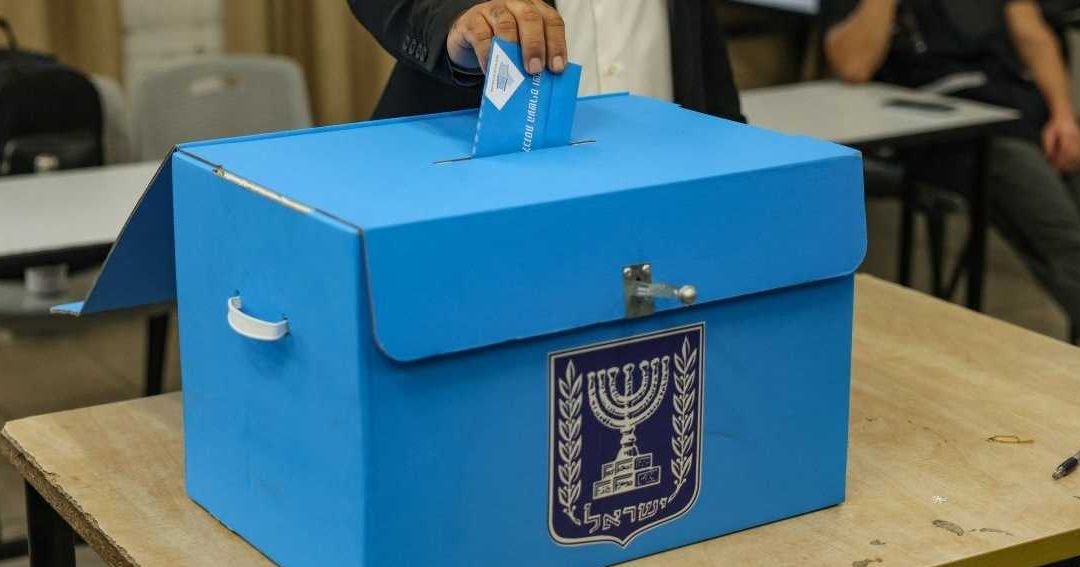
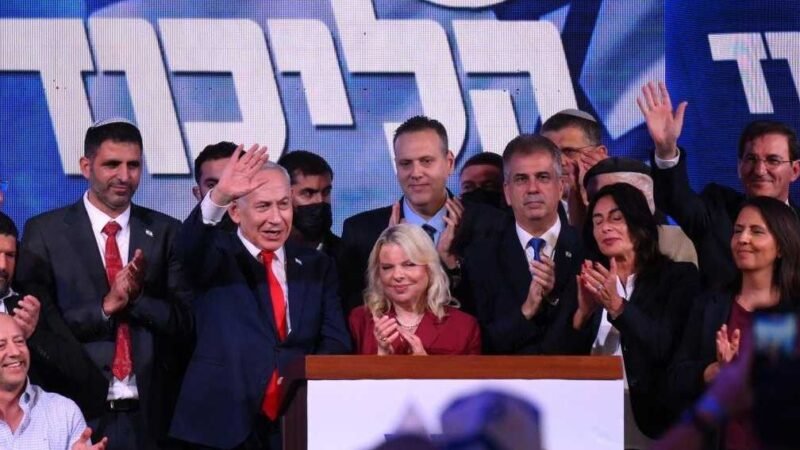
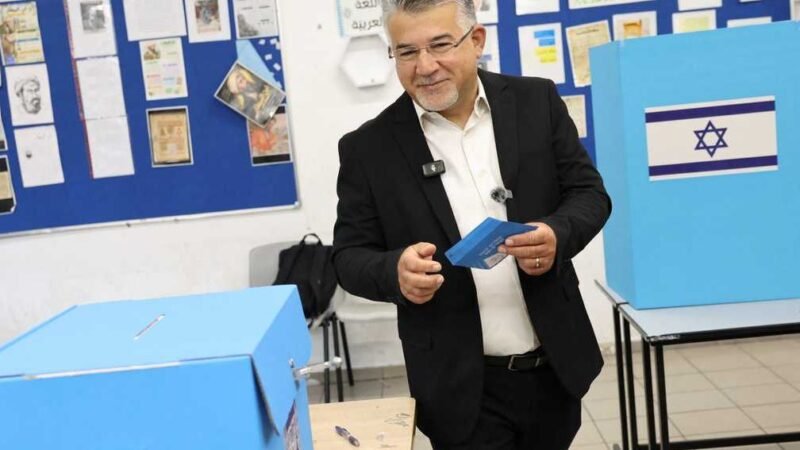
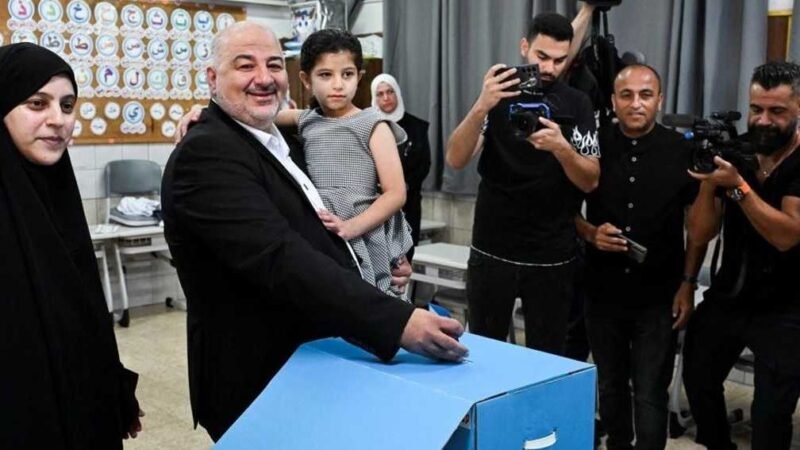
The political landscape in Israel remains precariously balanced, with the influence of Arab lawmakers in the Knesset emerging as a critical factor in the potential end of Prime Minister Benjamin Netanyahu’s administration. While these representatives possess the legislative weight to disrupt or solidify governing coalitions, their role remains a subject of intense debate and systemic friction within the broader opposition bloc.
For many political analysts, the arithmetic of the Knesset confirms that Arab-majority parties hold a significant share of the parliamentary seats necessary to tilt the scales of power. Historically, these parties have been excluded from the inner circles of coalition governance, often relegated to the sidelines of decision-making. However, as the political divisions within the country deepen, the strategic importance of their support has become impossible to ignore. A shift in the alignment of these lawmakers could theoretically provide the numbers required to challenge the incumbent government’s hold on power.
Despite this numerical reality, the path to leveraging these votes for a transition of power is fraught with internal challenges for the Israeli opposition. The reluctance to formally integrate or rely upon Arab-led factions stems from deep-seated ideological reservations within the ranks of mainstream opposition parties. Many centrist and right-leaning factions within the opposition fear that embracing the support of Arab lawmakers could alienate their own base and provide political ammunition for the current administration to frame them as compromising national security or sovereignty.
This hesitancy creates a profound paradox: the opposition requires the parliamentary support of Arab representatives to achieve a governing majority, yet it remains fundamentally unwilling to extend the political legitimacy or policy concessions that such an alliance would necessarily entail. Consequently, the opposition is often left in a state of paralysis, unable to fully capitalize on the potential for a political shift because it cannot resolve the internal tension regarding how to treat the Arab vote.
Furthermore, the Arab lawmakers themselves face a challenging strategic landscape. They must navigate the competing interests of representing their constituents’ specific needs—such as issues regarding infrastructure, discrimination, and civic rights—while attempting to exert meaningful influence on national policy. Any move to support a potential alternative to the current government is weighed against the risk of being marginalized further or failing to secure tangible gains for the Arab community in Israel.
As the political future of the country remains in flux, the role of these lawmakers serves as a clear indicator of the enduring difficulties in bridging the divide between different political currents within the state. Whether the opposition will eventually overcome its internal objections to form a broader, more inclusive coalition, or whether it will continue to prioritize traditional ideological boundaries, remains the central question in the ongoing effort to reshape the current government’s path.