Iraq: Kataib Hezbollah Rejects Demands to Surrender Arms
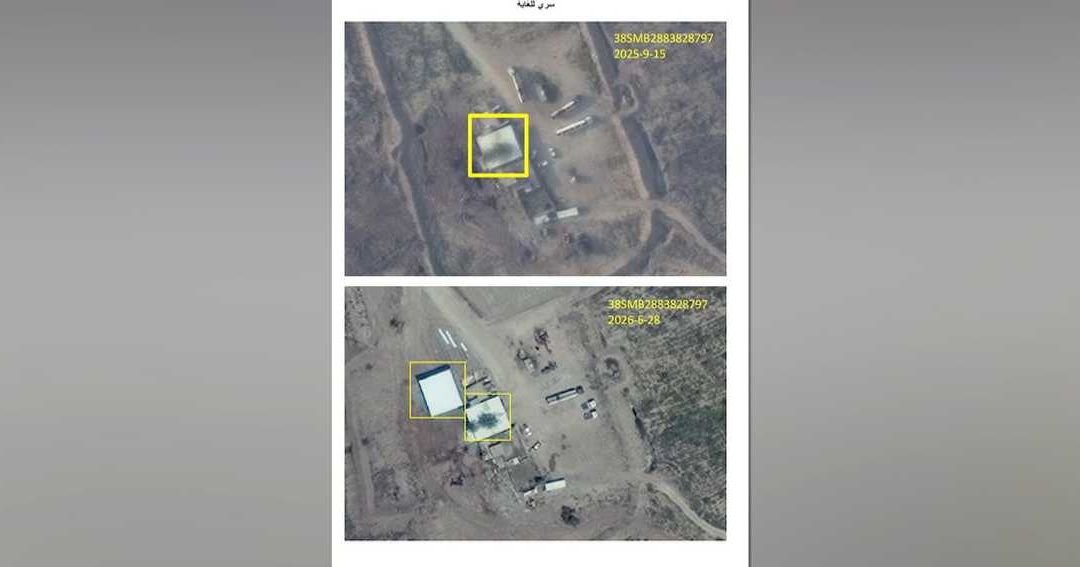
Kataib Hezbollah, a prominent faction operating within Iraq, has officially declared its refusal to surrender its weapons to the state. The announcement, made on Sunday, underscores the ongoing tensions between the Iraqi government’s efforts to consolidate military power and the resistance displayed by various armed groups operating independently of formal state control.
In a firm statement, the group indicated that it would not comply with directives or pressures requiring it to disarm, asserting that it would remain resistant to such demands regardless of the level of pressure exerted. This position highlights a significant hurdle for the Iraqi government, which has frequently attempted to centralize command and control over all armed factions to stabilize the nation and assert full sovereignty.
The refusal to disarm follows a period of mounting domestic and external pressure on militias to integrate into the formal security apparatus. For the Iraqi state, the objective remains the establishment of a monopoly on the use of force, a critical step for long-term security and institutional reform. However, groups like Kataib Hezbollah, which maintain their own organizational structures and strategic objectives, continue to navigate a complex relationship with the central government in Baghdad.
The stance taken by the group reflects a broader challenge within the Iraqi security landscape, where the line between state-aligned security forces and autonomous militias remains blurred. The government’s call for the handover of arms is often framed as a necessity for national security and the rule of law, while factions resisting these calls often cite regional strategic considerations and their own definitions of security imperatives as justifications for maintaining their military independence.
Political observers in the region note that this latest rejection signifies a continuation of the stalemate regarding the status of these militias. As the Iraqi government continues its push for comprehensive security reform, the defiant posture of major armed factions poses a persistent risk to domestic political stability. The government’s inability to reconcile these disparate military entities under a single, unified national command structure remains a central theme in Iraq’s contemporary political discourse.
While the government in Baghdad continues to advocate for the transition toward state-led control of all weaponry, the explicit refusal by Kataib Hezbollah indicates that the path toward achieving this goal remains fraught with difficulty. The situation remains fluid as stakeholders watch to see how the central authorities will respond to this public dismissal of their disarmament objectives, and what, if any, further actions may be taken to address the presence of heavy weaponry outside the formal purview of the Iraqi military.