Iraq Dismisses 9 Officials Over Oil Smuggling in Jurf Al-Sakhar
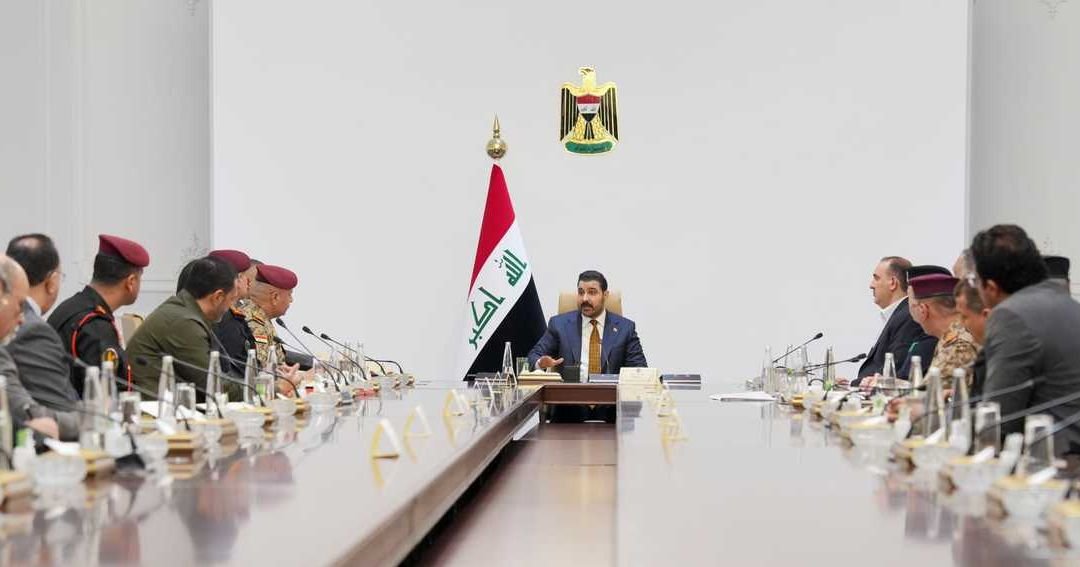
Iraqi Prime Minister Ali Al-Zaidi has ordered the immediate dismissal of nine government officials following an extensive investigation into systematic oil smuggling operations in the Jurf Al-Sakhar region. The decision comes after a specialized government committee confirmed that illegal fuel trafficking had been occurring within the area, which is known for a significant presence of the Iraqi Hezbollah Brigades.
The administrative shake-up is part of a broader effort by the federal government to curb the illicit exploitation of national resources. Oil smuggling has long been identified as a major factor contributing to the loss of state revenue and the funding of unauthorized armed groups operating outside the formal chain of command. By removing these officials, the Prime Minister’s office aims to dismantle the infrastructure that facilitates the diversion of crude oil and refined products from official supply chains.
Jurf Al-Sakhar, located in Babil Governorate, has remained a highly sensitive security zone for years. Given the strategic nature of the region and the influence wielded by local factions, the government’s intervention highlights the complexities involved in securing energy infrastructure in areas where state authority faces significant challenges. The investigation into these smuggling networks was reportedly conducted by a task force mandated to identify lapses in oversight and potential collusion between regional administrators and unauthorized actors.
The dismissal of the nine officials serves as a stern warning to personnel operating in energy-rich or transit-critical areas across Iraq. The government maintains that such measures are essential to uphold the rule of law and protect the country’s primary economic engine from criminal exploitation. Moving forward, the Prime Minister has signaled that the government will continue to monitor regional operations to ensure that state resources are managed exclusively by authorized institutions.
While the government has not disclosed the specific identities of those removed, the move is being viewed as a significant attempt to assert central control over the management of natural resources. The security and economic implications of these smuggling activities remain a priority for the current administration, which continues to face pressure to demonstrate effectiveness in managing national energy assets. Observers note that the integration of anti-corruption measures with broader security stabilization efforts is critical for Iraq’s long-term economic stability. The government is expected to release further details regarding the administrative restructuring in the affected districts in the coming days as it seeks to tighten oversight of all energy-related facilities located in high-risk zones.