Netanyahu Renews Call for Unity Government Amid Iran Tensions
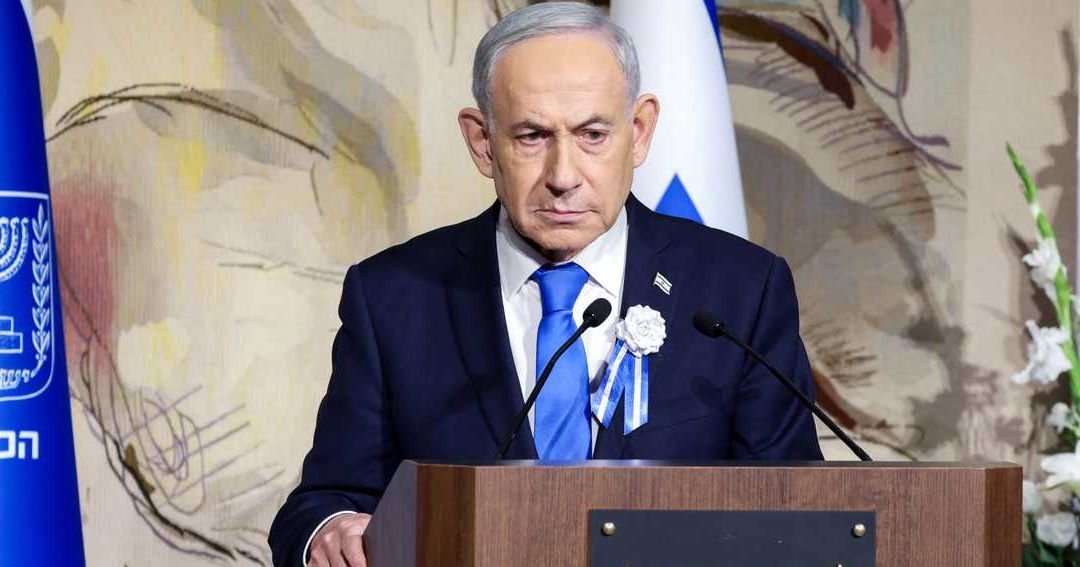
Israeli Prime Minister Benjamin Netanyahu has once again appealed for the formation of a national unity government, marking a significant push to consolidate the country’s political leadership. In a statement released on Saturday, Netanyahu emphasized that such an alliance, including his political rival Gadi Eisenkot, is essential to navigate the complex security landscape facing the nation.
The Prime Minister characterized the proposed coalition as the most effective path toward ensuring Israel’s long-term security. The urgency of this call is framed specifically around the regional challenges presented by Iran, which Netanyahu identified as the primary security concern for his administration. During his remarks, the Prime Minister reiterated his commitment to neutralizing the threat posed by Tehran, declaring his intention to address it definitively.
Netanyahu’s renewed call for unity comes as Israel faces a period of intense internal political deliberation and a challenging external security environment. By advocating for a broader government structure, the Prime Minister aims to unify the country’s political factions behind a singular national security agenda. The mention of Gadi Eisenkot, a prominent figure with a deep background in national security and military affairs, underscores the strategic focus of this political maneuver.
The rhetoric regarding Iran remains a central pillar of Netanyahu’s stated platform. By positioning the formation of a unity government as a prerequisite for effectively countering what he described as a perennial threat, the Prime Minister is seeking to build a consensus that transcends standard party politics. This strategy reflects a broader pattern of attempting to leverage regional security realities to stabilize the current political climate in Israel.
As of now, the call for unity remains a significant development in the ongoing discourse regarding the composition of the Israeli government. Whether this latest initiative will result in a concrete agreement remains to be seen, as the landscape of Israeli politics continues to navigate a series of internal pressures. The focus on Iran as a defining national issue serves to underline the gravity with which the administration views its current regional position and the perceived necessity for a unified governmental front. The Prime Minister’s statements reflect a strategic pivot intended to prioritize security outcomes and maintain a firm stance against regional adversaries, while simultaneously addressing the internal demand for political stability.