

Stricter Border Controls Impact Hezbollah Arms Smuggling Routes
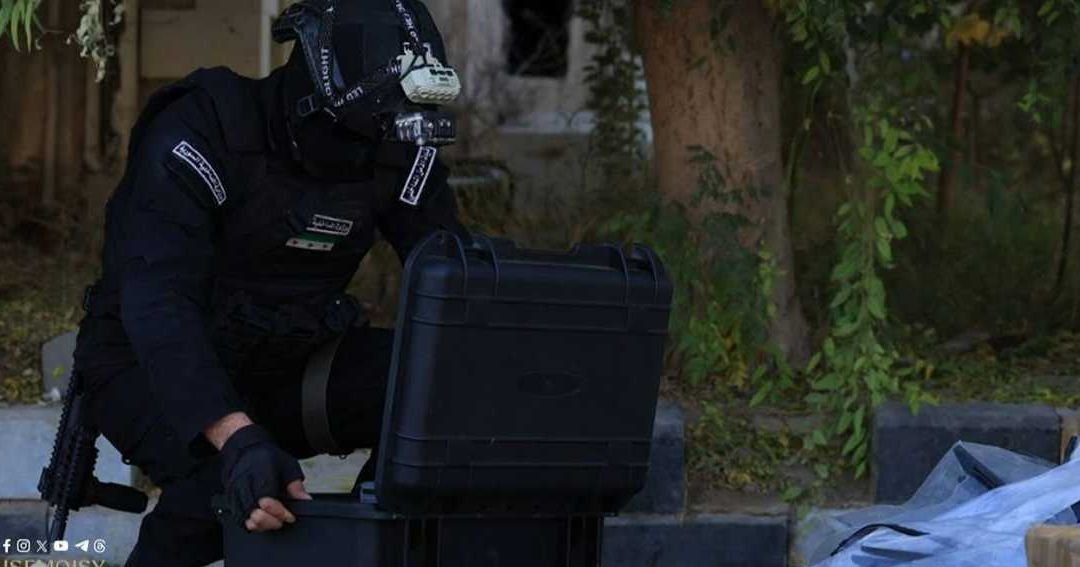
Increased scrutiny along the Syrian-Lebanese border has begun to impact the logistics of illegal arms and financial transfers, complicating operations for Hezbollah. Recent security interventions and the successful interdiction of weapons shipments in both Syria and Lebanon have signaled a heightened level of monitoring across established smuggling corridors.
Journalist and commentator Ibrahim Rihan noted that these developments represent a significant shift in the operational environment for the group. While the increased border oversight has not completely halted the movement of military assets or financial resources, it has substantially raised the cost and complexity of these activities. By tightening control over key transit points, regional security forces are effectively forcing actors to navigate a more hostile and scrutinized landscape, which hinders the ease with which such illicit materials were previously transported.
The logistical challenge now facing the group involves navigating a series of checkpoints and surveillance zones that were historically more porous. The recent seizures of explosives and weaponry serve as evidence of a more concerted effort to track and intercept shipments moving between the two countries. This development is being viewed as a tactical setback that disrupts the group’s established supply chains, forcing a re-evaluation of how it sustains its operational capabilities in the current climate.
Analysts suggest that the ongoing pressure at the border is indicative of a broader strategy to disrupt the flow of military hardware into Lebanon. As authorities intensify their focus on the frontier, the friction applied to these routes directly correlates with a reduction in the volume of illicit goods successfully reaching their intended destinations. This situation illustrates the ongoing difficulties that non-state actors face when regional security environments shift toward more rigorous border management and enforcement.
While the current measures do not signify a permanent end to these smuggling attempts, they underscore a challenging reality where the risk of seizure and the cost of circumvention continue to climb. The intersection of local security operations and increased oversight of cross-border movement remains a critical factor in the evolving security landscape of the Levant, directly affecting the strategic calculus of groups operating across the Syrian-Lebanese frontier. As regional actors remain committed to enforcing sovereignty and security along these borders, the logistical burden on such movements is expected to persist, keeping the pressure on existing illicit supply lines.