

Tripoli Denies Reports of Planned Summit with Erdogan
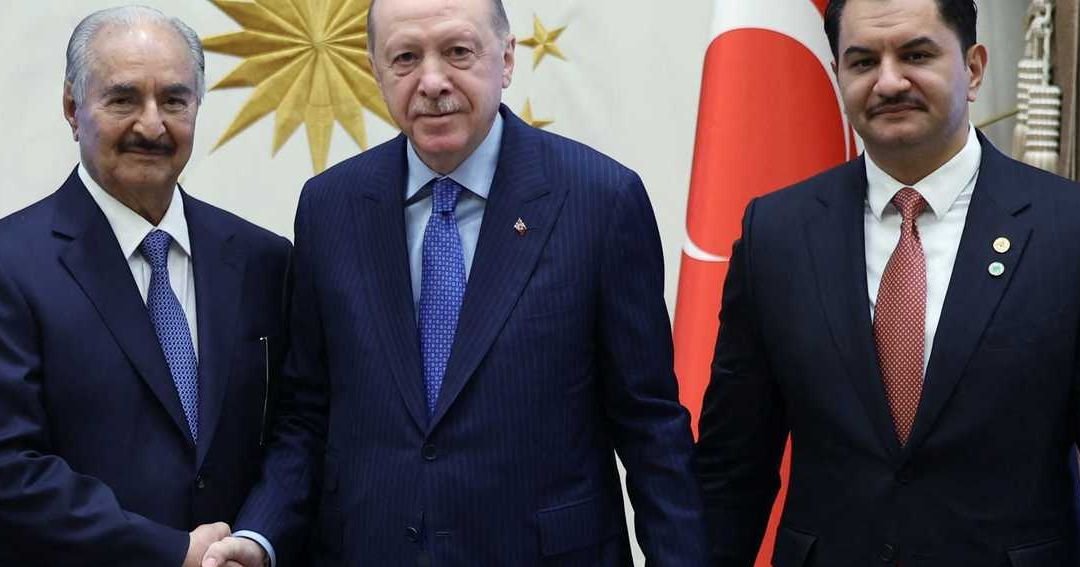
The Government of National Unity (GNU) in Libya, led by Prime Minister Abdul Hamid Dbeibah, has officially refuted reports circulating in the media regarding a high-level summit in Tripoli. Through its Tebyan platform, the government categorized as false the claims that a meeting was scheduled in the Libyan capital to be attended by Turkish President Recep Tayyip Erdoğan and various other heads of state.
Public speculation had suggested that such a gathering was imminent, with reports alleging that the objective of the summit would be the formal signing of agreements aimed at unifying various political and administrative institutions from eastern and western Libya. The division between eastern and western administrations has been a primary characteristic of the Libyan political landscape for years, posing a significant hurdle to long-term national stability and the formation of a unified government. Given the strategic relationship between Tripoli and Ankara, rumors of Turkish involvement in brokering a comprehensive resolution often generate significant attention within the region.
The swift denial issued by the Tebyan platform serves to clarify the government’s current diplomatic agenda. By addressing these reports, the Tripoli administration seeks to mitigate confusion surrounding its domestic political process and its international engagements. The incident underscores the heightened sensitivity surrounding news regarding the unification of the country’s fractured institutions, a topic that remains central to the ongoing efforts to resolve the Libyan crisis.
Libya remains in a delicate state of transition as local actors and international observers continue to navigate the complexities of reconciliation. While Turkey has maintained a consistent role in Libyan affairs, supporting the UN-recognized government in Tripoli, the GNU’s statement makes it clear that there is no imminent summit of the magnitude described in the widely circulating reports.
As of now, the administration in Tripoli continues to focus on its governance mandate, while the path toward a unified national authority remains subject to internal negotiations and international mediation efforts. The government’s rejection of these claims serves as a firm correction to the rumors that have recently dominated social media discourse, ensuring that public expectations remain aligned with actual diplomatic developments. This clarification is part of a broader effort to maintain clarity in a political environment often prone to unverified reports and misinformation. For now, the focus remains on the existing frameworks intended to bridge the divides that have persisted across the country, as the international community continues to monitor the situation for any signs of tangible progress toward sustainable national unity.