

Iran Authorities Increase Documentation Regarding Khamenei’s Status
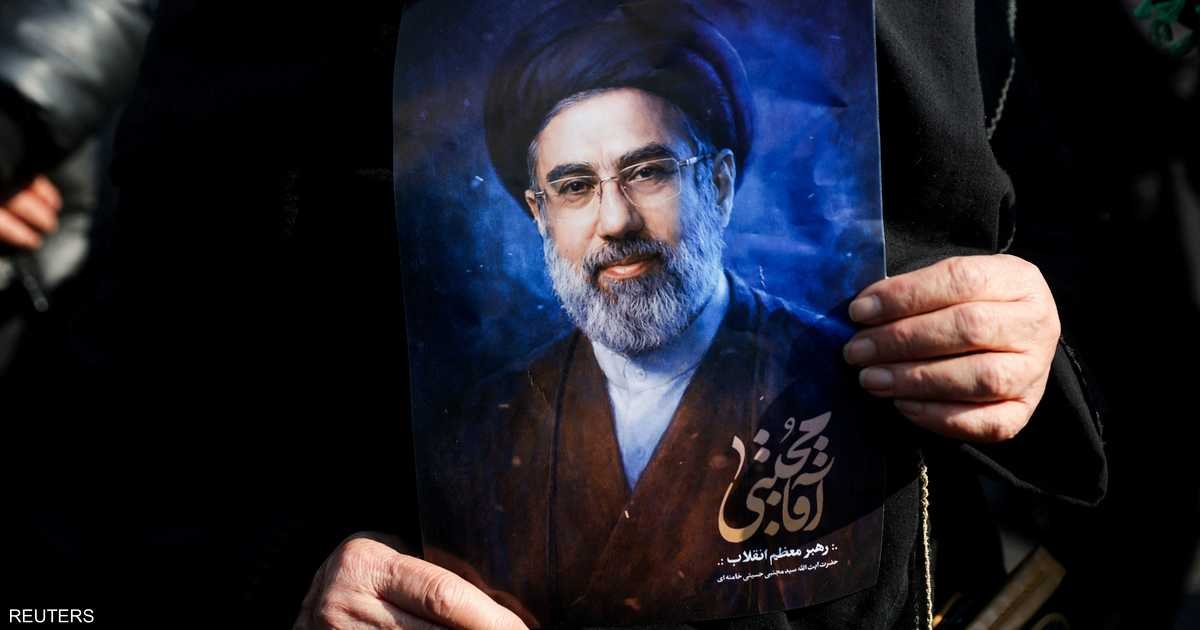
Iranian authorities are intensifying their efforts to disclose and discuss a collection of evidence regarding the status of Mojtaba Khamenei. The development follows a period of heightened public and media scrutiny surrounding the cleric, who has remained largely out of the public eye since the death of his father, Supreme Leader Ali Khamenei.
Official discourse surrounding Mojtaba Khamenei’s status has gained momentum following his formal selection as a successor, a transition that reportedly occurred in March. Since that time, the internal dynamics regarding the leadership succession have become a central focus for state institutions. While the authorities have not provided specific details regarding the nature of the “evidence” being presented, the move appears intended to solidify his position and address ongoing speculation regarding his role and whereabouts.
Observers of Iranian domestic politics note that the transition process has been shrouded in relative secrecy, leading to various interpretations regarding the stability of the leadership hierarchy. By moving to emphasize the legitimacy and the supporting evidence behind the succession choice, the state appears to be attempting to preemptively manage potential narratives that could undermine the transition. The focus on “evidence” suggests an effort to provide a formal, perhaps legalistic, basis for his ascension, thereby reinforcing the institutional narrative that the succession followed established protocols.
Since his selection in March, Mojtaba Khamenei has maintained a low profile, avoiding public appearances and direct engagement with the media. His absence from the public sphere has historically sparked intense debate among political analysts and observers both inside and outside of Iran regarding the potential for internal power struggles or shifts in the country’s governing ideology. The renewed focus by state authorities on disseminating information about his status is viewed by regional analysts as a strategic attempt to reassure the domestic political base and the various wings of the security establishment that the transition remains under firm control.
This development comes at a sensitive time for the Iranian leadership, which continues to navigate complex internal and external pressures. The emphasis on transparency regarding the successor’s status is a rare acknowledgment of the necessity to secure public and institutional confidence during a period of transition. Whether these efforts will successfully mitigate the speculation surrounding his leadership role remains to be seen, as the administration continues to manage the public perception of the transition in the wake of the previous leadership’s tenure.