

West Bank Olive Harvest Disrupted by Settler Attacks
The annual olive harvest, a cornerstone of Palestinian agriculture and cultural heritage, has been marred by a series of attacks carried out by Israeli settlers in the West Bank. Reports emerging on Friday confirm that farmers are facing systematic attempts to disrupt their agricultural activities, further escalating tensions in the region.
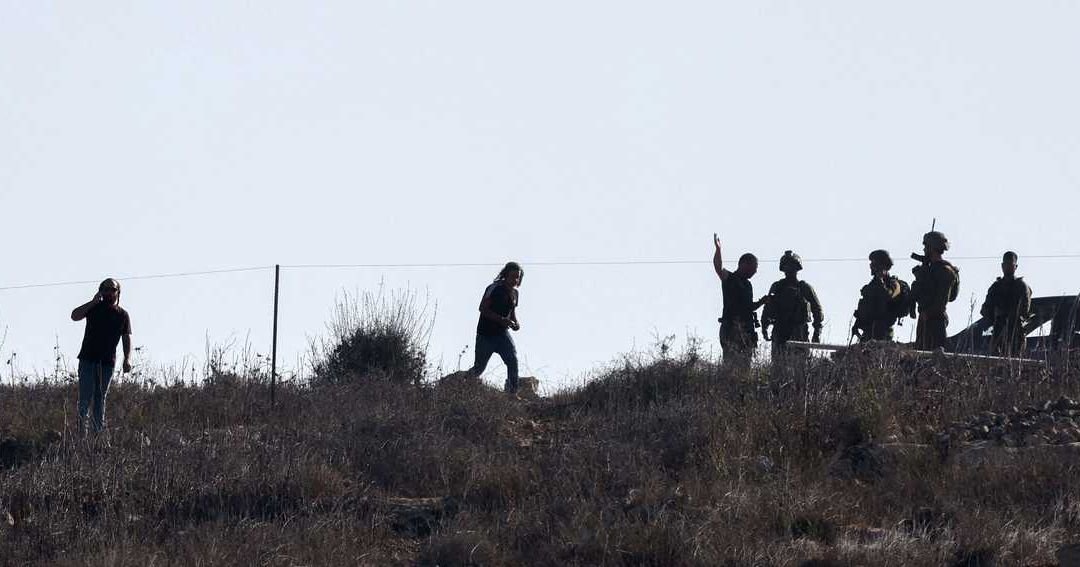
Evidence of these disruptions has been corroborated by documented footage showing disturbing incidents near Ramallah. In one specific instance, video evidence captured the confrontation of a Palestinian man and his young child by settlers, marking a violent turn in what should be a peaceful and productive seasonal activity. These incidents are not isolated occurrences but rather part of a broader pattern of harassment that has intensified as the harvest season progresses.
For many Palestinian families, the olive harvest represents more than just a seasonal income; it is a vital connection to their land and history. The olive tree holds significant economic and symbolic value, and the deliberate interference with the harvest is seen as a direct blow to the livelihood of farming communities throughout the West Bank. The ongoing reports of physical assaults and intimidation by settlers serve to create an environment of fear, restricting the ability of farmers to access their groves safely and effectively.
The timing of these attacks, coinciding with the peak of the harvest season, underscores the vulnerability of Palestinian agricultural workers who operate in areas under varying levels of security control. Local observers have noted that such confrontations frequently lead to property damage, the destruction of trees, and physical harm to civilians, exacerbating the already fragile humanitarian and security situation in the occupied territories.
The increase in settler-related incidents during the agricultural calendar highlights the persistent friction points within the West Bank. As the international community monitors the situation, the impact of these activities on the socio-economic stability of Palestinian households remains a primary concern. The ability of farmers to move freely to their lands, manage their crops, and secure their harvest continues to be severely hampered by the presence and activities of armed settlers in close proximity to Palestinian villages and agricultural fields.
This trend of disruption during the harvest season reflects the deepening challenges faced by the Palestinian agricultural sector, which already struggles with restricted access to resources and movement. The recurring nature of these incidents, particularly near urban centers like Ramallah, continues to draw attention to the broader security dynamics currently unfolding across the West Bank, where the intersection of land use, settler presence, and civilian safety remains a volatile issue.