Gaza Conflict Revives Use of Antique Kerosene Stoves
In a small, unassuming corner of Khan Yunis in the southern Gaza Strip, the harsh realities of the ongoing conflict are driving a return to outdated technology. Hassan Al-Shanbari, a 55-year-old resident, has become a local point of contact for those struggling to cope with the severe lack of cooking fuel that has plagued the enclave since the war began.
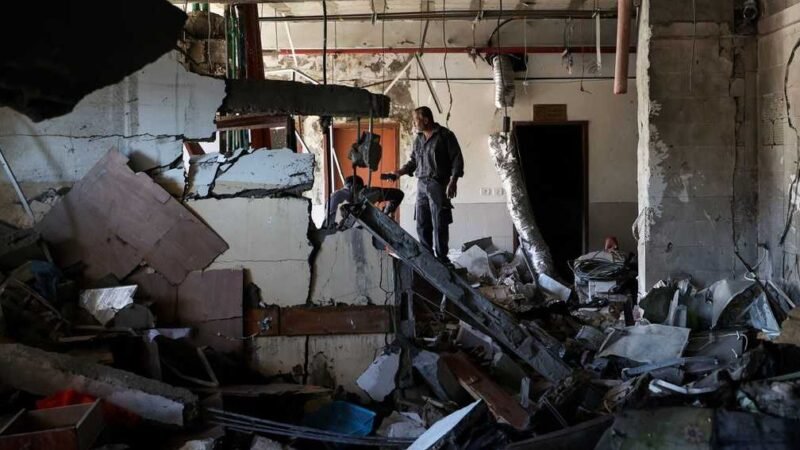
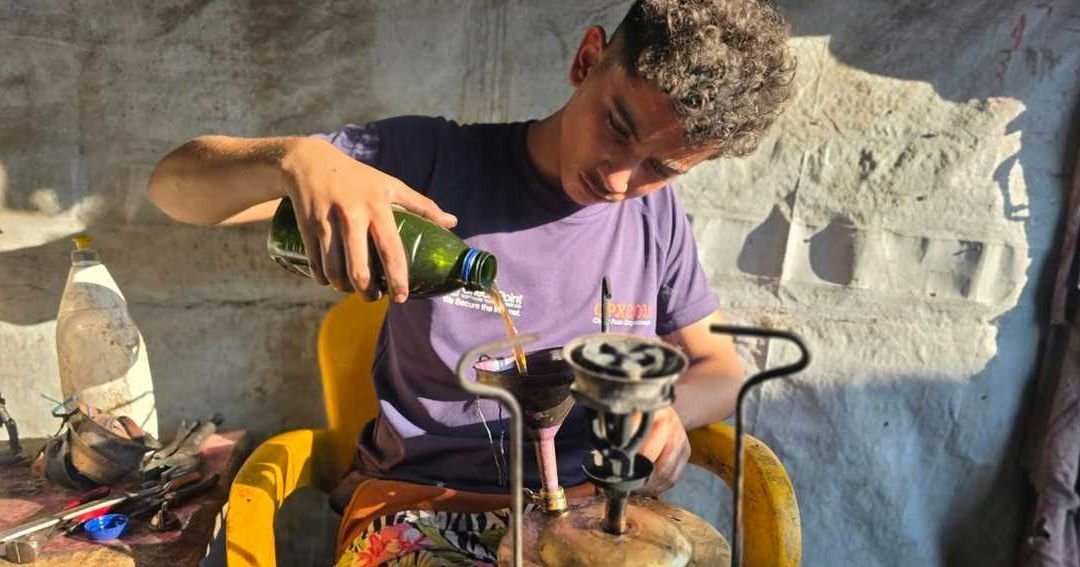
Al-Shanbari spends his days hunched over ‘babour al-kaz’—traditional kerosene stoves—that have long been considered relics of a bygone era. As modern cooking gas has become scarce or prohibitively expensive, these brass and iron devices have regained their importance as essential tools for survival. The process of restoring these antique stoves is arduous; Al-Shanbari meticulously scavenges for spare parts among the rubble and debris of destroyed buildings, repurposing damaged components to ensure that the stoves can function once more.
However, the lack of traditional fuel presents another significant challenge. With conventional kerosene unavailable, Al-Shanbari has turned to unconventional methods to keep the stoves operational. He and others in his community are now utilizing a fuel source derived locally from processed nylon and plastic waste. This makeshift solution reflects the extreme measures residents are forced to adopt to prepare basic meals in an environment where standard infrastructure has been largely dismantled by the hostilities.
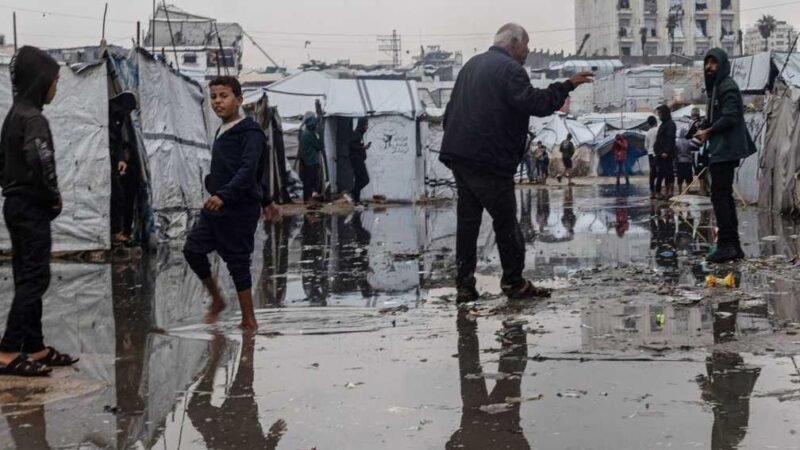
This trend highlights a broader struggle within the territory, where the scarcity of basic resources has compelled civilians to revert to historical survival strategies. The reliance on these rudimentary stoves is not a matter of choice but a direct consequence of the restricted access to energy supplies. As Al-Shanbari works to repair the rusted frames and temperamental mechanisms of these devices, his workshop serves as a microcosm of the daily ingenuity required to navigate the humanitarian challenges currently facing the population in southern Gaza.
The durability of these older, manual stoves, which can be repaired with salvaged materials, contrasts sharply with modern appliances that require stable energy grids or pressurized gas canisters. For many families in Khan Yunis, the sound of a functioning ‘babour’ has become a familiar, albeit grim, indicator that a meal can be prepared despite the ongoing crisis. The reliance on plastic-derived fuel, while innovative, underscores the severity of the energy void left by the collapse of supply chains and the persistent blockade that has limited the entry of fuel into the Gaza Strip since the conflict intensified.