UNRWA Faces Potential Mass Layoffs Amid Budgetary Crisis
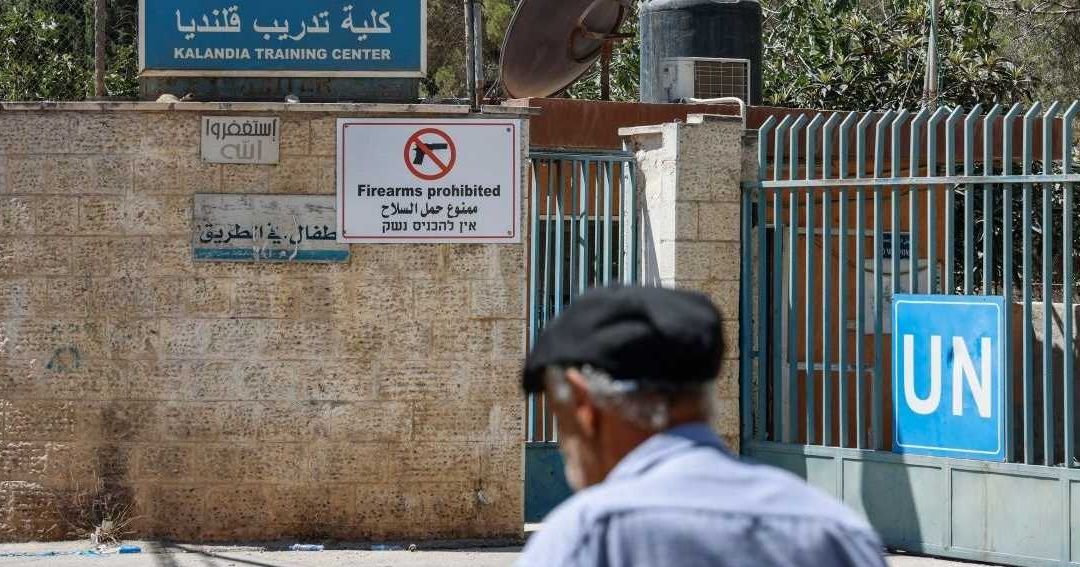
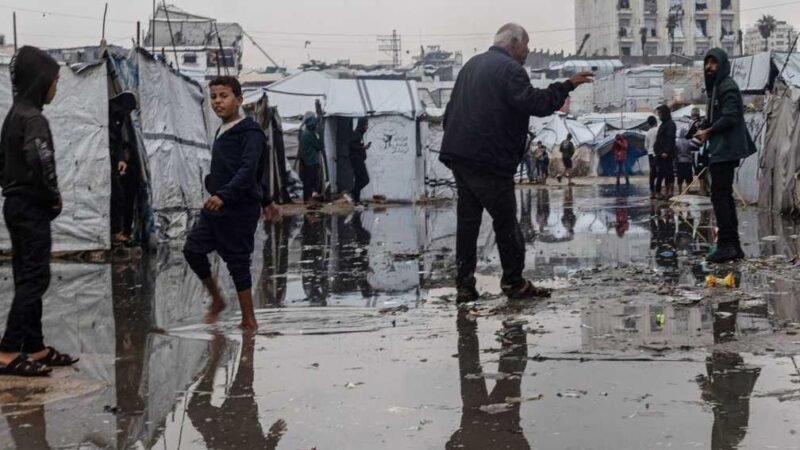
The United Nations Relief and Works Agency for Palestine Refugees in the Near East (UNRWA) is currently confronting the prospect of extensive staffing reductions and a systematic scaling back of its operational capacity. These measures, under active consideration by the agency’s leadership, represent a significant shift that could have profound humanitarian consequences for millions of Palestinian refugees who rely on the organization for essential services.
For decades, UNRWA has served as a cornerstone of humanitarian support in the region, providing vital infrastructure in the sectors of education, primary healthcare, and emergency assistance. The potential downsizing of the agency’s workforce by thousands of employees raises urgent concerns regarding the continuity of these programs. The core of the issue centers on the agency’s ability to maintain its broad mandate amid mounting institutional and financial pressures, which have historically threatened its capacity to deliver services to vulnerable populations.
The prospect of significant staff layoffs threatens to disrupt the schooling of countless children who depend on UNRWA-administered educational institutions. Furthermore, any reduction in medical staff and operational support could severely impede the delivery of healthcare services, leaving many patients without access to essential treatment. The agency has historically played a central role in mitigating the hardships faced by refugees across its areas of operation, and these proposed changes signal an escalation of the difficulties in sustaining that mission.
The potential for scaled-back operations comes at a time when the demand for humanitarian support remains critical. By contemplating these measures, the agency is signaling the severe nature of the environment in which it operates. Should these plans proceed, they would mark a substantial contraction in the presence and reach of an organization that has provided a degree of stability for millions of Palestinian refugees across its operational zones.
As the agency deliberates on the specific mechanisms of these proposed cuts, the focus remains on the downstream effects for the communities reliant on its services. The potential loss of thousands of positions represents not only an internal administrative shift but a potential erosion of the essential safety net that UNRWA has maintained for generations. Stakeholders and observers continue to assess the impact of such a move, noting that any decrease in services directly correlates to an increase in the vulnerability of the refugee populations the agency is tasked with protecting. The situation underscores the precarious nature of international support structures and the ongoing challenges in ensuring consistent, long-term humanitarian aid in the region.