Palestinian Authority Receives Pledges Over Clearing Funds and Permits
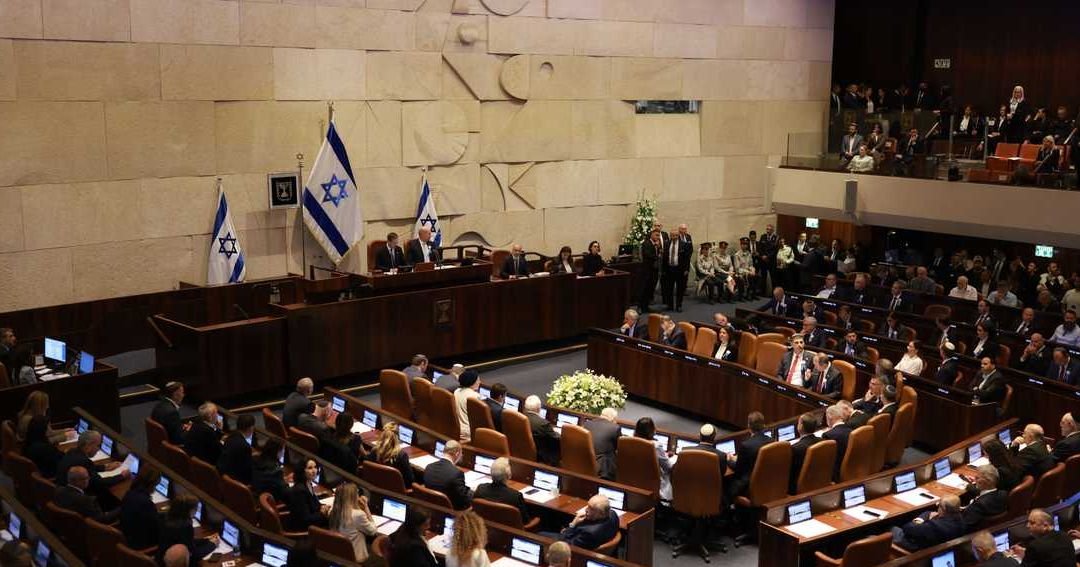
The Palestinian Authority has reportedly received assurances from Arab members of the Israeli Knesset regarding two critical economic issues: the release of withheld tax clearance revenues and the restoration of Palestinian work permits for the Israeli labor market. According to information disclosed by a Palestinian source, these commitments are contingent upon the potential formation of a future government led by Gadi Eisenkot.
The transfer of tax revenues, known as clearing funds, has long been a point of significant friction between the Israeli government and the Palestinian Authority. These funds, which are collected by Israel on behalf of the Palestinian leadership under the terms of the Paris Protocol, constitute a primary pillar of the Palestinian budget. The withholding or delay of these payments periodically creates severe fiscal strain, impacting the ability of the Palestinian Authority to meet its financial obligations, including public sector salaries and essential services.
Simultaneously, the issue of work permits remains a vital concern for the Palestinian economy. Since the escalation of hostilities, tens of thousands of Palestinian laborers have faced restrictions or outright bans on entering Israel for employment. The reliance of Palestinian households on wages earned within the Israeli labor market is significant, and the cessation of these permits has contributed to a sharp increase in economic hardship and unemployment within the West Bank.
The reported communication from Arab lawmakers in the Knesset suggests an effort to leverage political negotiations to alleviate these acute economic pressures. By linking the release of funds and the easing of movement restrictions to the political outcome involving Gadi Eisenkot, the dialogue highlights the interconnected nature of security, governance, and economic stability in the region.
While the details of these promises remain within the sphere of political negotiation, the potential for a change in policy regarding these economic levers carries weight for both the Palestinian leadership and the broader regional landscape. The Palestinian Authority continues to navigate a complex fiscal environment, where the flow of revenue is inextricably tied to the broader diplomatic and security policies managed by the Israeli state. As of now, the Palestinian source indicates that these developments are being closely monitored, as any shifts in these policies would have immediate, tangible consequences for the daily lives of thousands of workers and the overall stability of the Palestinian economy.