

Iraq Follows Jordan in Restricting Telegram Messenger
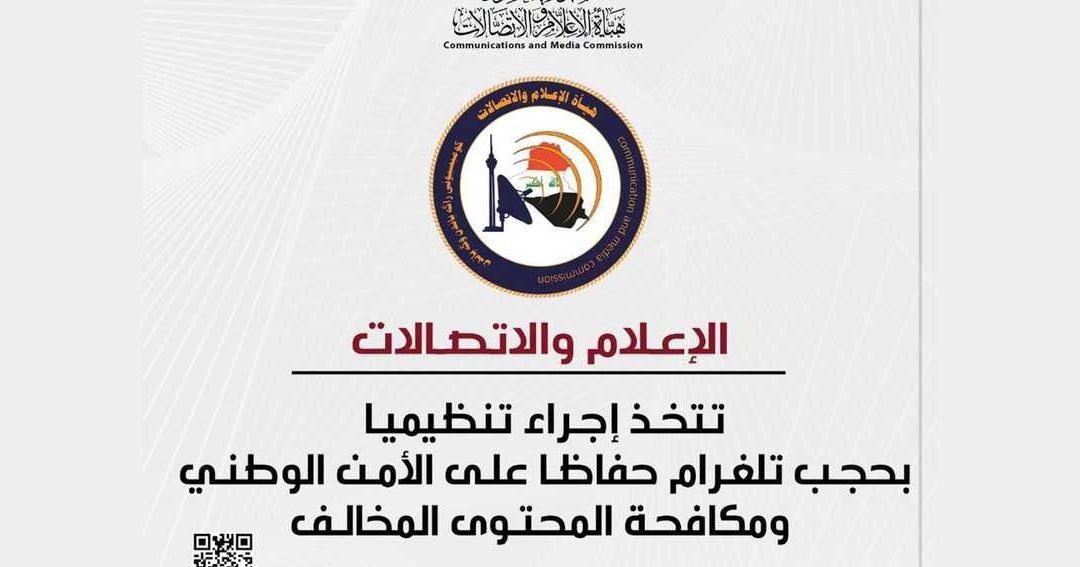
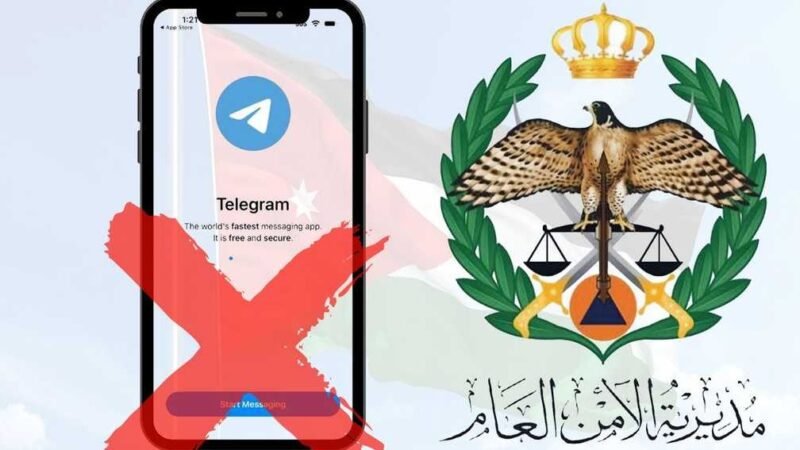
The Iraqi Communications and Media Commission (CMC) has announced a nationwide block on the Telegram messaging application, a move that marks a significant escalation in the regulation of digital platforms within the country. The decision to restrict the platform, which is widely used in Iraq for both personal communication and the dissemination of news, follows a recent precedent set by neighboring Jordan, which implemented similar measures against the service.
The regulatory body, which oversees Iraq’s media and telecommunications landscape, confirmed that the directive to restrict access to Telegram is being enforced across the nation. The move effectively limits the ability of users to access the application through local internet service providers. While the government has positioned this as a regulatory necessity, the action highlights a growing trend among regional authorities to exert tighter control over encrypted messaging services and platforms that facilitate rapid, large-scale information sharing.
This development comes shortly after Jordanian authorities took action against the same platform, signaling a potential shift in regional policy regarding how various Middle Eastern states approach the challenges posed by popular digital communication tools. Both Baghdad and Amman have emphasized the importance of national regulatory frameworks in overseeing the digital space to ensure stability and public order.
The restriction on Telegram in Iraq is particularly noteworthy given the platform’s extensive role in the country’s digital infrastructure. Beyond simple messaging, Telegram has become a primary hub for various media outlets, political entities, and social movements to communicate directly with the public. By interrupting access to the platform, the Iraqi authorities are fundamentally altering the way information is exchanged between state institutions, the media, and the civilian population.
As of now, the duration of the suspension remains unclear, and the CMC has not provided specific details regarding the exact grievances that prompted this sudden blackout. However, the move is consistent with broader efforts by state bodies in the region to monitor and manage the influence of global tech companies on local political and social stability.
For users in Iraq, the blockage has necessitated a quick shift toward alternative communication methods or the use of circumvention tools, further complicating the digital landscape. Meanwhile, regional observers are closely watching to see whether other countries within the Middle East will adopt similar restrictive measures against the platform in the coming weeks. The move places Iraq at the center of a growing regional debate concerning the balance between digital accessibility, freedom of information, and state-led efforts to regulate the influence of mass communication platforms.