Libyan Parliament Session Stalled by Airport Closure in Zintan
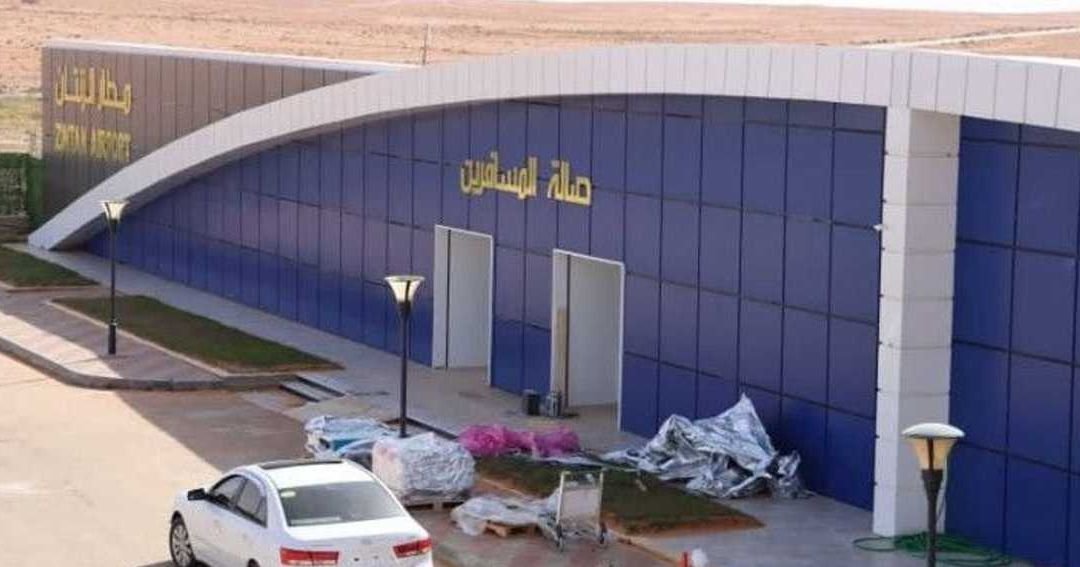
The Libyan House of Representatives faced a significant procedural setback on Monday as a scheduled session, intended to address the unification of salaries, was forced into cancellation. The meeting, which was set to take place in the city of Zintan, failed to materialize after the local airport was closed to incoming traffic.
Reports indicate that a military force occupied the airfield, effectively blocking the arrival of a flight carrying several members of the parliament who were traveling to attend the session. This disruption has prevented the legislature from exercising its functions and has led to immediate condemnation from members of the assembly, who viewed the incident as a direct interference with the work of the constitutional legislative body.
The agenda for the session had been focused on a critical national issue: the standardization and unification of salary structures across the country. This effort is seen as a vital step in addressing the economic disparities and administrative fragmentation that have plagued Libya for years. By preventing lawmakers from convening, the security-related obstruction has placed a hurdle in front of legislative efforts to resolve long-standing economic grievances and administrative gaps in the national public sector.
Parliamentary representatives expressed strong disapproval of the situation, characterizing the presence of armed personnel at the Zintan airport as a deliberate move to impede their constitutional mandates. In the current Libyan political climate, where legislative sessions are often subject to the volatile security environment, this incident underscores the ongoing difficulties faced by state institutions attempting to operate independently of regional security pressures.
The obstruction in Zintan highlights the continued fragility of the political process in Libya. With the country still striving to overcome the effects of deep-seated political divisions and the influence of localized power centers, the ability of the House of Representatives to meet and pass binding legislation remains a primary barometer for national stability. The failure of Monday’s session is likely to draw further attention to the challenges of securing key infrastructure to allow for the safe and unfettered movement of government officials throughout the country.
As of now, no alternative date has been announced for the assembly to reconvene. The situation in Zintan remains under scrutiny as political actors assess the impact of this incident on broader reconciliation efforts and the legislative agenda. For the Libyan people, the delay in addressing salary unification adds to the frustration surrounding the lack of progress on essential socio-economic reforms that could provide much-needed stability to the national payroll system.