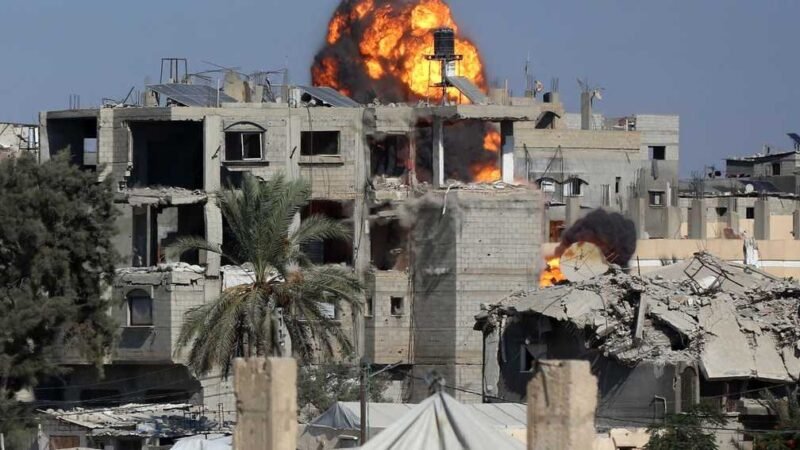


Netanyahu Rejects U.S. Gaza Plan, Citing Policy Disagreements
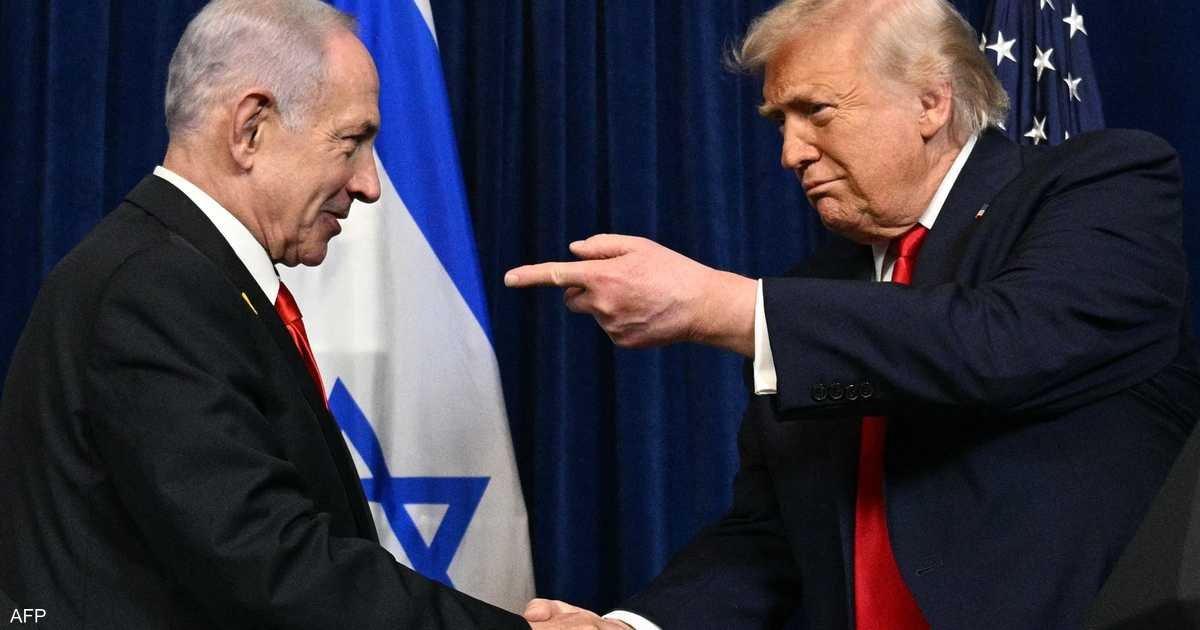
Israeli Prime Minister Benjamin Netanyahu has officially rejected the latest plan proposed by the United States regarding the future of the Gaza Strip. The move highlights a significant diplomatic friction point between the Israeli government and Washington as the two allies navigate the complexities of the ongoing regional conflict.
In a statement addressing the rejection, the Israeli leader emphasized that the security landscape in the region currently precludes any withdrawal of Israeli forces from the Gaza Strip. Netanyahu indicated that his government’s current military and security assessments do not align with the provisions outlined in the American proposal, suggesting a firm commitment to maintaining the current operational status quo within the territory.
Furthermore, Netanyahu alluded to the challenges of managing bilateral relations with key partners during this period, pointedly referring to the necessity of “confronting friends” when strategic interests diverge. This rhetoric underscores a broader tension regarding the governance of the Gaza Strip and the long-term vision for the conflict. The Israeli Prime Minister’s comments suggest that he is prepared to prioritize his administration’s specific security objectives, even at the cost of public disagreement with influential international stakeholders.
The rejection of the U.S. proposal comes amid intense international scrutiny regarding the humanitarian situation in Gaza and the lack of a clear post-conflict governance plan. While Washington has historically served as a critical mediator and strategic ally to Israel, the current public stance taken by the Prime Minister indicates a recalibration of the diplomatic engagement between the two sides. Analysts noted that Netanyahu’s explicit mention of standing his ground against even the closest of allies is aimed at domestic audiences concerned with national security, as well as an signal to international observers that Israel maintains the final say on its military deployment decisions in the Palestinian territories.
The refusal to participate in the American-backed plan poses new questions for regional stability, particularly regarding the coordination of humanitarian aid and the potential for a ceasefire agreement. As the Israeli government remains steadfast in its current military posture, the diplomatic path forward for Gaza appears increasingly gridlocked. The administration’s refusal to withdraw forces signals a clear intention to continue operations as planned, potentially setting the stage for further friction in high-level diplomatic channels in the coming weeks. The Israeli leadership maintains that its tactical decisions are rooted in the imperative to eliminate threats originating from the enclave, a position that remains fundamentally at odds with the diplomatic framework proposed by the United States.