

Trump Prioritizes Economic Pressure Over Military Action Against Iran
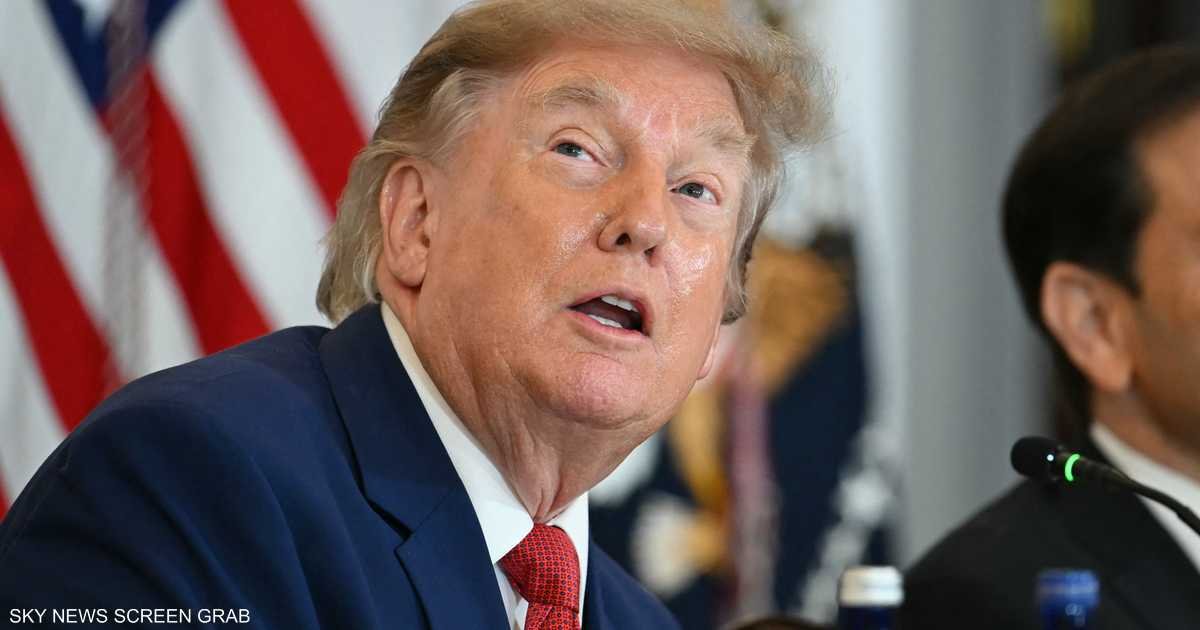
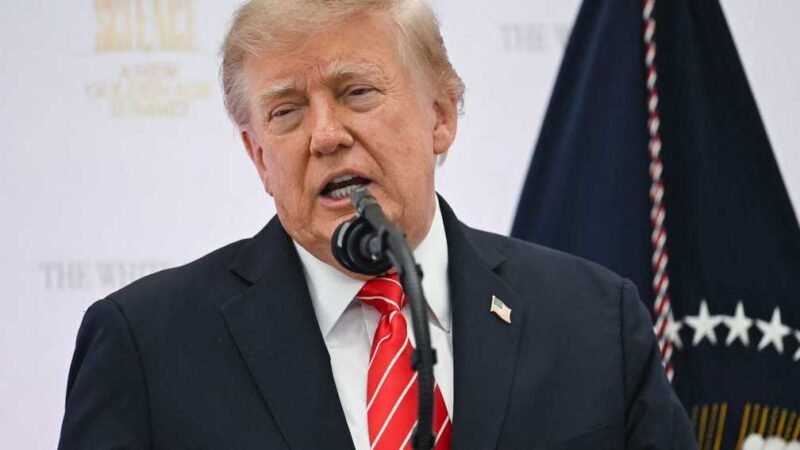
United States President Donald Trump has signaled a strategic shift regarding his administration’s approach to Iran, stating that he currently favors intensifying economic pressure over the initiation of new military actions. The remarks come amidst ongoing regional tensions, particularly regarding the security and freedom of navigation through the Strait of Hormuz.
While the prospect of direct military intervention has remained a point of public discourse, the President’s latest position emphasizes the use of economic leverage as the primary tool to manage the dispute. By focusing on sanctions, the administration seeks to squeeze the Iranian economy, hoping to force a change in Tehran’s regional policies and its management of the critical maritime choke point.
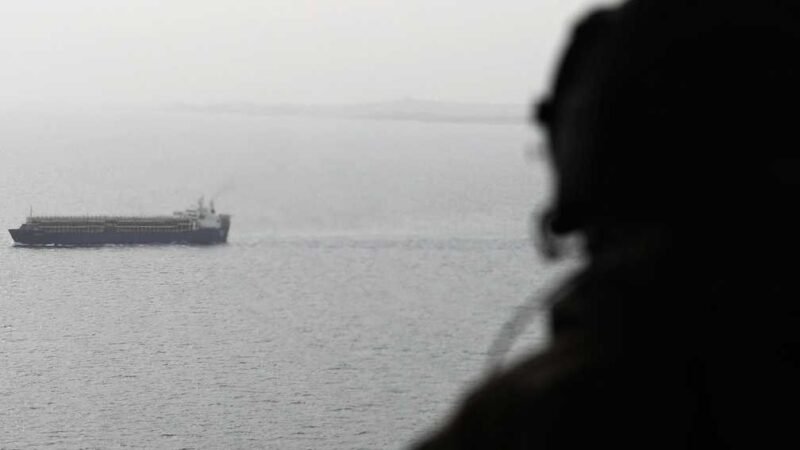
The Strait of Hormuz continues to serve as a central flashpoint in the ongoing friction between Washington and Tehran. The waterway, which accounts for a significant portion of the world’s global oil transit, has been a site of repeated incidents involving the interception and harassment of commercial vessels. These developments have kept regional energy markets on edge and prompted concerns from international stakeholders regarding the stability of global energy supplies.
Despite the clear preference for non-military measures, the White House has maintained that the military option remains on the table should the situation escalate or if specific red lines are crossed. This dual-track approach—balancing a desire for a diplomatic or economic resolution with the persistent threat of force—highlights the volatile nature of current U.S.-Iran relations.
For now, however, the administration is betting on the efficacy of its ‘maximum pressure’ campaign, which includes a wide array of trade restrictions and financial penalties designed to limit Iran’s ability to project power across the Middle East. Analysts suggest that this strategy is intended to exhaust Iranian resources, thereby compelling the leadership in Tehran to return to a negotiating framework under conditions more favorable to the United States and its regional allies.
The international community remains closely focused on the corridor, as any disruption to shipping in the Persian Gulf would have immediate and severe consequences for global energy prices. As Washington refines its stance, the focus remains on whether economic isolation alone will be sufficient to alter the security environment in the Gulf or if the persistent maritime challenges will eventually necessitate a more direct response. For the time being, the escalation of sanctions is the administration’s chosen path to confront the perceived threats posed by Iranian regional activities.