

Strait of Hormuz Remains a Flashpoint in US-Iran Tensions
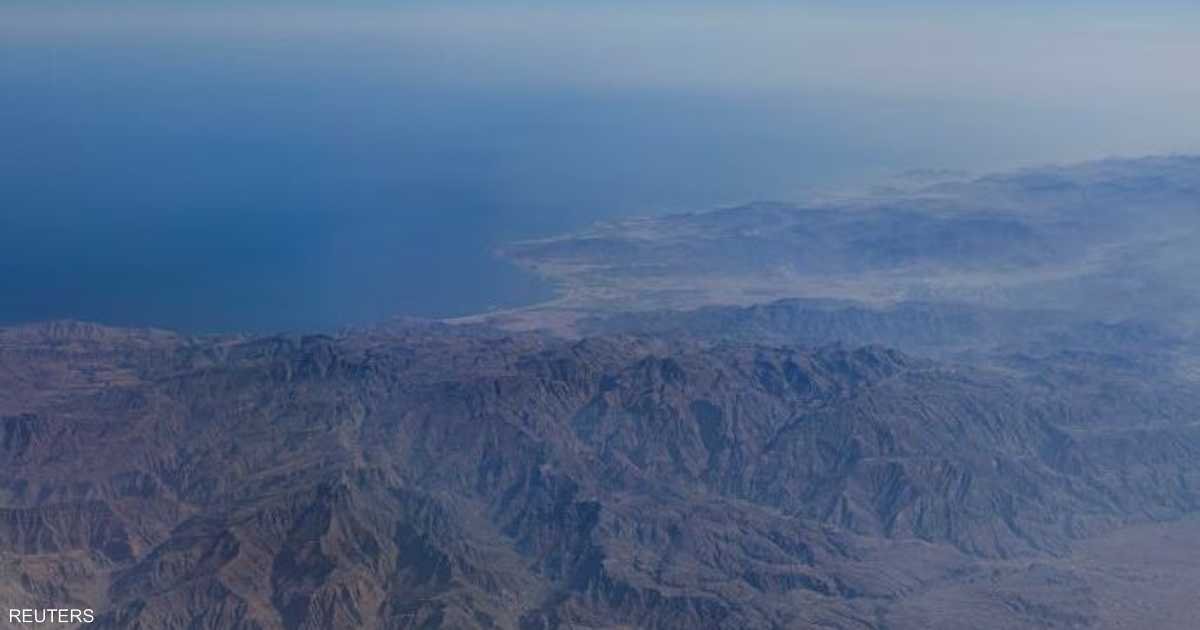
The Strait of Hormuz has solidified its status as one of the most perilous flashpoints in the escalating standoff between Washington and Tehran. As geopolitical tensions fluctuate, the vital maritime chokepoint continues to serve as a central theater for both diplomatic posturing and strategic maneuvering, leaving regional and international stakeholders closely monitoring for signs of further instability.
Recent developments reflect a complex landscape characterized by contradictory signals emerging from Iranian officials. These mixed messages have fueled regional uncertainty, complicating efforts to de-escalate the friction that has long defined the relationship between the two nations. The ambiguity of these statements contrasts with the more measured, though firm, approach observed from the United States.
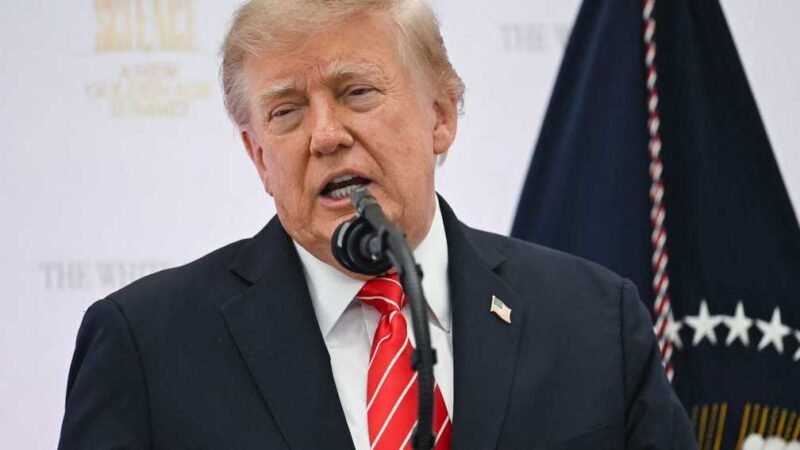
Washington has consistently signaled a preference for utilizing economic pressure as its primary lever of influence, moving to circumvent the immediate risks associated with military confrontation. By leveraging comprehensive sanctions and strategic naval positioning, the US aims to compel a change in Iranian behavior without triggering a direct kinetic conflict. However, the reliance on economic statecraft does not eliminate the inherent dangers present in the Strait, where the proximity of military assets creates a fragile environment prone to miscalculation.
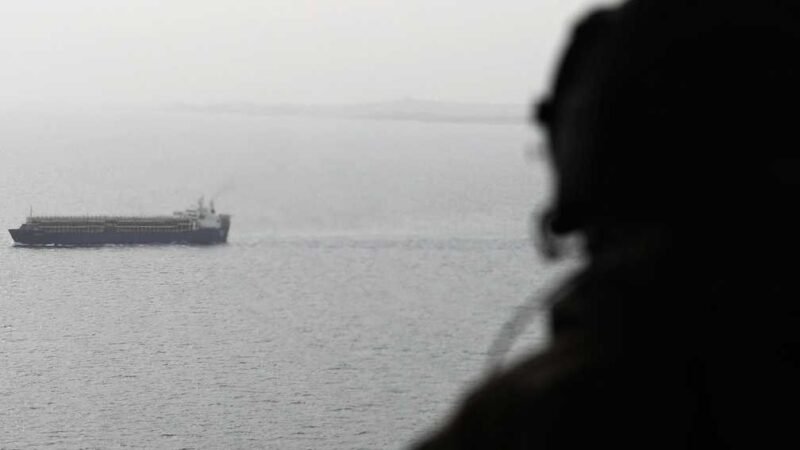
For Iran, the Strait of Hormuz represents a significant card in its strategic hand. Tehran’s ability to project power or exert influence over the flow of energy and goods through these waters remains a cornerstone of its regional security calculus. The strategic significance of this maritime corridor—through which a substantial portion of the world’s seaborne oil passes—ensures that any escalation in the area carries profound implications for global energy markets and regional security architectures.
The situation remains dynamic, with observers noting that the primary challenge lies in managing the threshold between economic containment and the potential for a larger, more destabilizing regional conflagration. While neither party has formally abandoned the path of strategic patience, the persistent lack of a formal diplomatic framework to manage these maritime tensions means that the risk of unintended escalation remains elevated.
As the confrontation continues, the focus remains fixed on the delicate balance being maintained in the Strait. The intersection of US economic strategy and Iran’s regional security policies ensures that the maritime corridor will continue to serve as a barometer for the broader, often volatile, state of relations between the two powers. Any shift in this fragile status quo is expected to have immediate, widespread ramifications across the Middle East and beyond.