


Egyptian Student Sentenced to 25 Years Over Unknowingly Held SIM Card
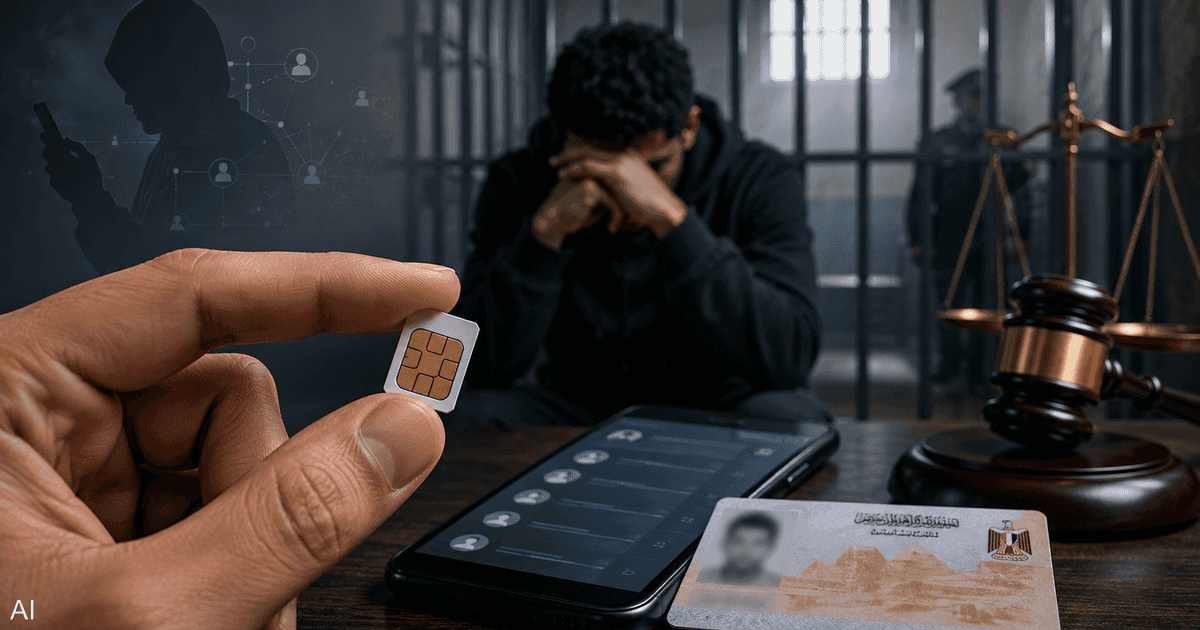
A 19-year-old Egyptian student, Amr Amara, is facing a life-altering legal crisis after receiving a 25-year prison sentence in absentia related to a drug trafficking case. The conviction, which has sent shockwaves through local circles, centers on a mobile phone SIM card that the young man maintains he never possessed or had any knowledge of.
The legal proceedings, which resulted in the harsh sentence, appear to have moved forward without the defendant’s direct participation or initial awareness. According to the circumstances surrounding the case, the student was implicated solely due to the registration of a mobile SIM card under his personal identity. In many jurisdictions, the unauthorized use of an individual’s national identity documents to register telecommunications services poses a significant risk, as the holder of the identity is often held legally responsible for any illicit activities conducted using those lines.
Amara, who is currently navigating the complexities of the Egyptian judicial system, expressed profound shock upon discovering the verdict. The incident highlights the growing risks associated with identity theft and the vulnerabilities inherent in the digital registration processes for telecommunications services. For the young student, the implications are severe; the verdict was handed down as a ‘guilty in absentia’ judgment, a procedure that often leaves defendants in a precarious position regarding their right to a defense until they are able to surrender themselves and request a retrial.
Legal experts note that cases involving ‘stolen identities’ or the misuse of personal documents for criminal enterprises are particularly difficult to navigate once a conviction has been recorded. As the case continues to draw attention, it underscores the broader challenges in Egypt regarding the safeguarding of personal data and the verification processes required for SIM card activation. The student is now working to challenge the conviction, aiming to prove that the SIM card in question was linked to his identity without his consent or knowledge.
The situation has raised questions about the security of personal information and the legal safeguards available to citizens who find themselves inadvertently caught in criminal investigations due to the actions of third parties. As Amara seeks to clear his name, the case remains a stark reminder of the potential life-changing consequences that can stem from the improper use of personal identity in the digital age. The judicial process will now determine whether the court will accept evidence that the student was not the active user of the service, a step that is essential for the reversal of the current sentence.