

Internal FIFA Rift Over Proposed World Cup Equity Sale
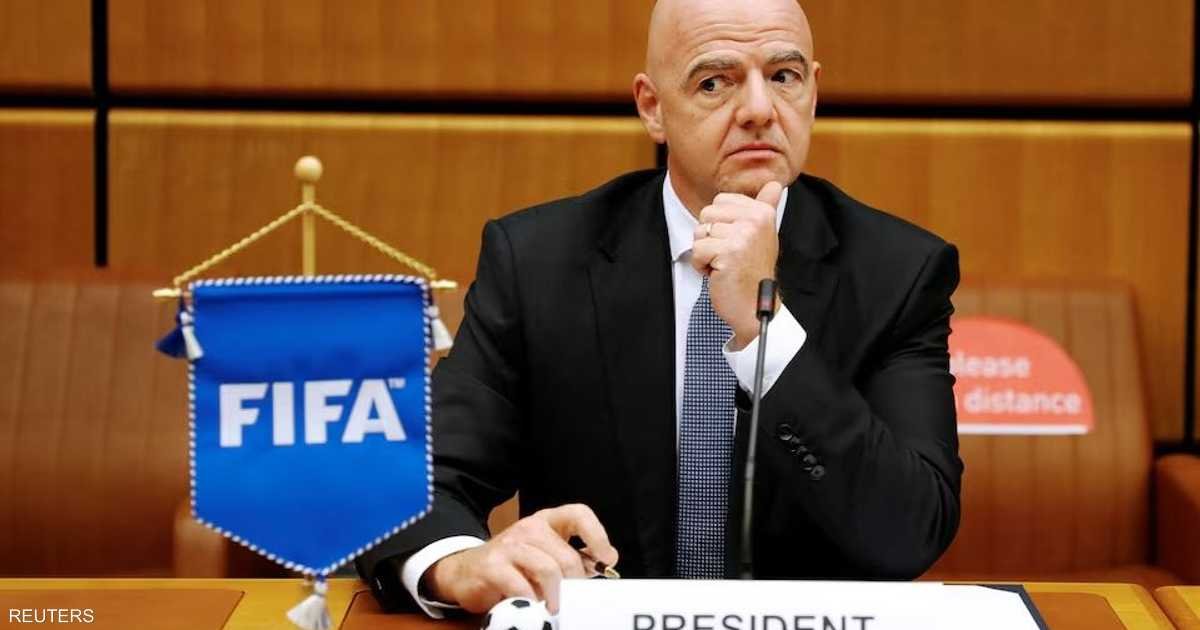
A significant internal challenge is emerging within the hierarchy of world football’s governing body, FIFA, as three vice presidents have reportedly initiated discussions regarding the establishment of alternative football competitions. This move, which signals a deepening rift within the organization, comes as a direct response to a controversial proposal championed by FIFA President Gianni Infantino to sell equity stakes in the World Cup tournament.
For several months, the leadership at FIFA has faced scrutiny over a series of ambitious financial restructuring plans, most notably the attempt to secure private investment through the sale of shares in the organization’s marquee event. The proposal, which aims to generate substantial capital to fuel expansion plans and increased infrastructure spending, has met with significant resistance from senior officials who argue that commercializing the World Cup in such a manner threatens the long-term integrity and governance of the sport.
The dissenters, acting as a unified bloc within the vice-presidency, have signaled their intentions to explore independent tournament structures. By contemplating the creation of alternative competitions, these officials are signaling that they are willing to decouple their regional interests from the centralized control exercised by the FIFA administration in Zurich.
The proposal to sell portions of the World Cup has been characterized by its critics as a short-sighted approach to revenue generation that prioritizes immediate financial liquidity over the sustainable growth of national football federations. Those opposing the move argue that the global popularity of the tournament relies on its status as an entity managed for the benefit of member associations rather than external private stakeholders or commercial shareholders.
The internal friction at FIFA arrives at a critical juncture for the international football community. With the global football calendar already under pressure from increasing match demands and concerns over player welfare, the prospect of new, alternative competitions could fundamentally alter the landscape of the sport. While the specific details of these alternative proposals remain under development, the move by three influential vice presidents represents a formal pushback against Infantino’s centralized vision.
Industry observers note that the resistance within the FIFA hierarchy reflects broader anxieties regarding how the organization will maintain its influence in an era of shifting global allegiances and rising private equity interest in international sports assets. The tension is likely to dominate discussions in upcoming executive committee meetings, as the opposing factions attempt to balance the need for increased tournament revenue with the desire to maintain traditional governance structures. As the debate continues, the focus will remain on whether a compromise can be reached or if the governing body faces a historic internal split that could permanently fragment the international football landscape.