

Colombia Freezes Recognition of Polisario Front
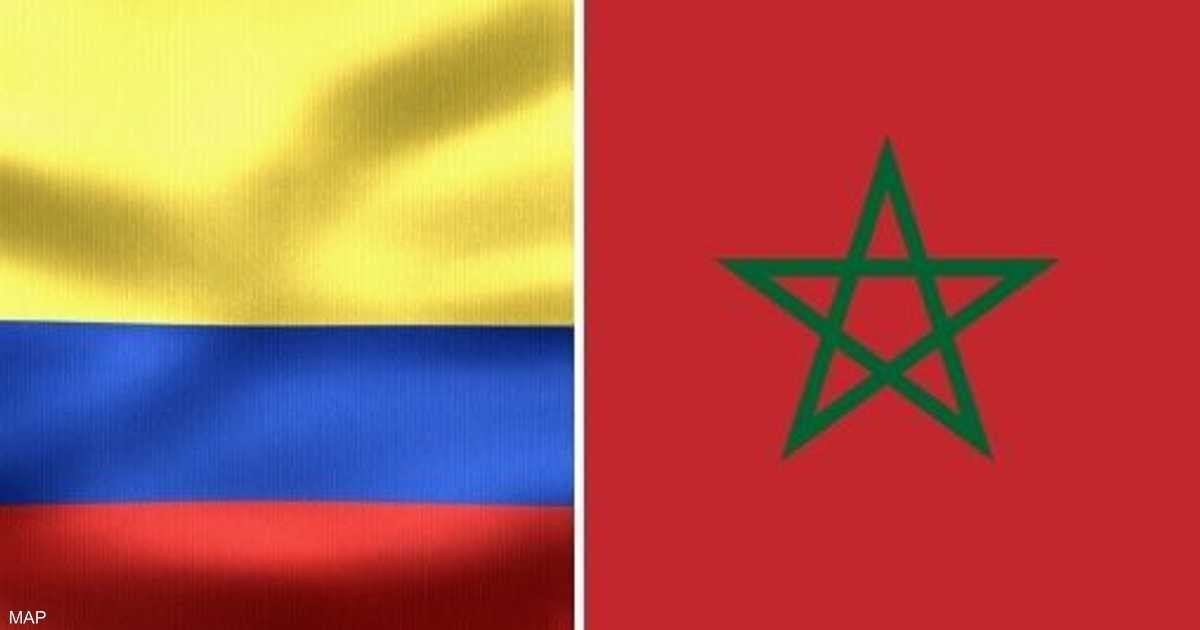
The government of Colombia has officially announced a significant shift in its foreign policy regarding the status of the Polisario Front, declaring that it is freezing its recognition of the entity. This diplomatic move represents a notable alignment with the position of the Kingdom of Morocco concerning the sovereignty of its entire territory, including the Sahara region.
In a formal statement released on Monday, the Colombian administration clarified that it has moved to suspend the recognition previously accorded to the Polisario Front. The decision serves to underscore the South American nation’s commitment to respecting the territorial integrity of the Kingdom. By taking this stance, Bogotá has signaled a clear pivot in its diplomatic approach, moving away from past recognition and toward a policy that explicitly recognizes Moroccan sovereignty over the Sahara.
This development is viewed as a major gain for Moroccan diplomacy, which has been actively working to garner broader international support for its autonomy plan as the definitive solution to the regional dispute. The move by Colombia is expected to have broader implications for the group’s standing in international forums and reinforces a growing trend of nations withdrawing or freezing recognition of the Polisario entity in favor of the Moroccan position.
Morocco has consistently advocated that its proposed autonomy initiative is the only viable path to resolve the decades-long impasse surrounding the Sahara. The Kingdom maintains that the territory is an integral part of its sovereign domain, and it has successfully secured the backing of a diverse array of global partners who view the autonomy plan as a serious and credible foundation for a political solution.
The suspension of recognition by Colombia follows a period of evolving diplomatic relations between the two countries. By clarifying its position, the Colombian government has effectively moved to distance itself from the separatist entity, prioritizing instead its bilateral partnership with Rabat. Analysts suggest that this decision could pave the way for closer political, economic, and strategic cooperation between Colombia and Morocco, as both nations look to bolster ties within the framework of recognized international norms.
As the diplomatic landscape continues to shift, the decision by Colombia adds to a series of recent international realignments that have favored the Moroccan perspective. The move reflects the increasing recognition of the Kingdom’s historical and legal claims over the region, marking a pivotal moment in the ongoing efforts to conclude the long-standing international dispute through diplomacy and mutual cooperation.