

Sudanese Coalition Rejects Military-Led Political Dialogue
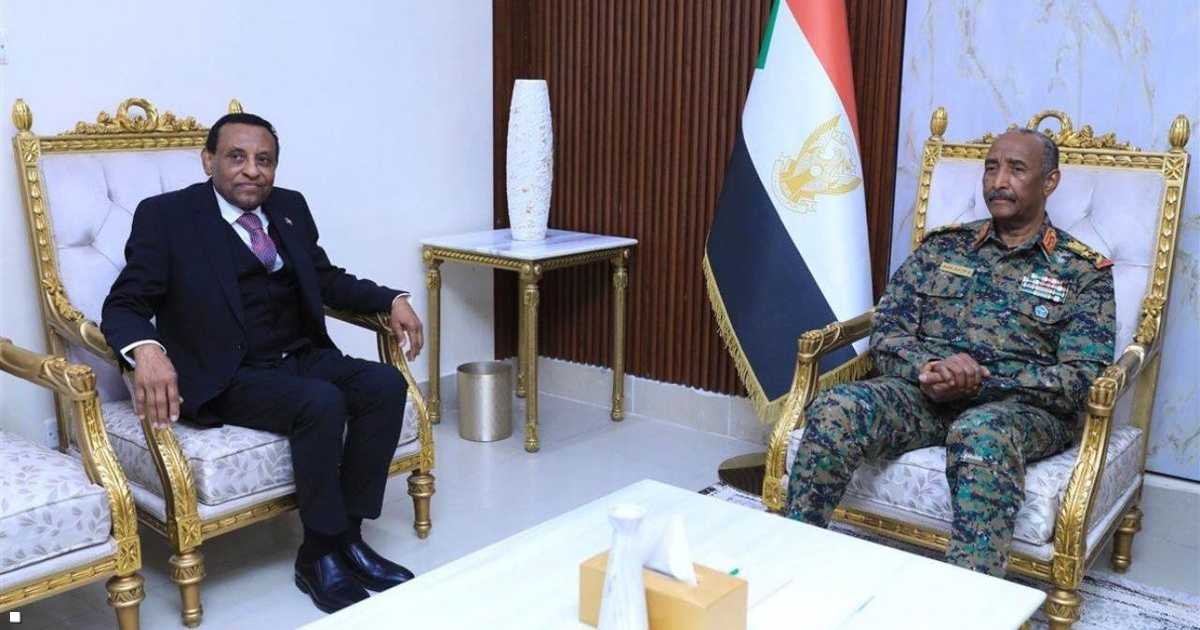
The Democratic Civil Alliance of the Sudanese Revolution, known as ‘Samoud’, has officially rejected recent calls for a domestic political dialogue, describing the initiative as a deceptive maneuver. In a statement issued on Monday, the coalition emphasized that any political process conducted within areas under the control of the Sudanese Armed Forces—and lacking the meaningful participation of the country’s diverse revolutionary factions—is fundamentally flawed.
The coalition argued that such a dialogue would fail to address the core grievances of the Sudanese people and instead serve to entrench the current state of war and national fragmentation. By maintaining that a credible political process cannot be initiated or facilitated by a single side of the ongoing conflict, the alliance has effectively signaled its refusal to engage in negotiations that do not meet the criteria for national inclusivity and transparency.
Since the outbreak of hostilities, the political landscape in Sudan has become increasingly polarized. The ‘Samoud’ alliance’s position reflects broader concerns among civilian groups regarding the sustainability of any peace process that does not involve all stakeholders in the Sudanese transition. The coalition’s rejection underscores a significant rift between military leadership and civilian political movements, which remain critical of efforts seen as attempts to consolidate power under the guise of mediation.
According to the alliance, the proposed dialogue serves as a ‘fake solution’ that ignores the complexities of the crisis. By positioning themselves against the current military-led framework, these civilian forces are pushing for a more comprehensive approach to national reconciliation. Their statement highlights a firm stance that the political future of the country must be built on a consensus that transcends individual military interests and addresses the urgent need for a return to civilian-led governance.
The alliance also addressed broader concerns regarding the composition of the potential political participants, specifically noting that there is no space for the Muslim Brotherhood in a legitimate political process. This exclusion reflects deep-seated ideological tensions that continue to influence the discourse surrounding Sudan’s political future.
As the internal conflict persists, the position of the ‘Samoud’ coalition serves as a reminder of the challenges involved in bridging the gap between various factions. With the alliance insisting on the necessity of a truly inclusive dialogue, the prospects for a peaceful resolution continue to depend on the ability of Sudanese actors to find common ground that satisfies the demands of both the civilian revolutionary base and the realities of the current security landscape. For now, the rejection by the alliance highlights the continued fragility of peace initiatives within the country.