

Security Escalation in Libya: Intelligence Official Killed
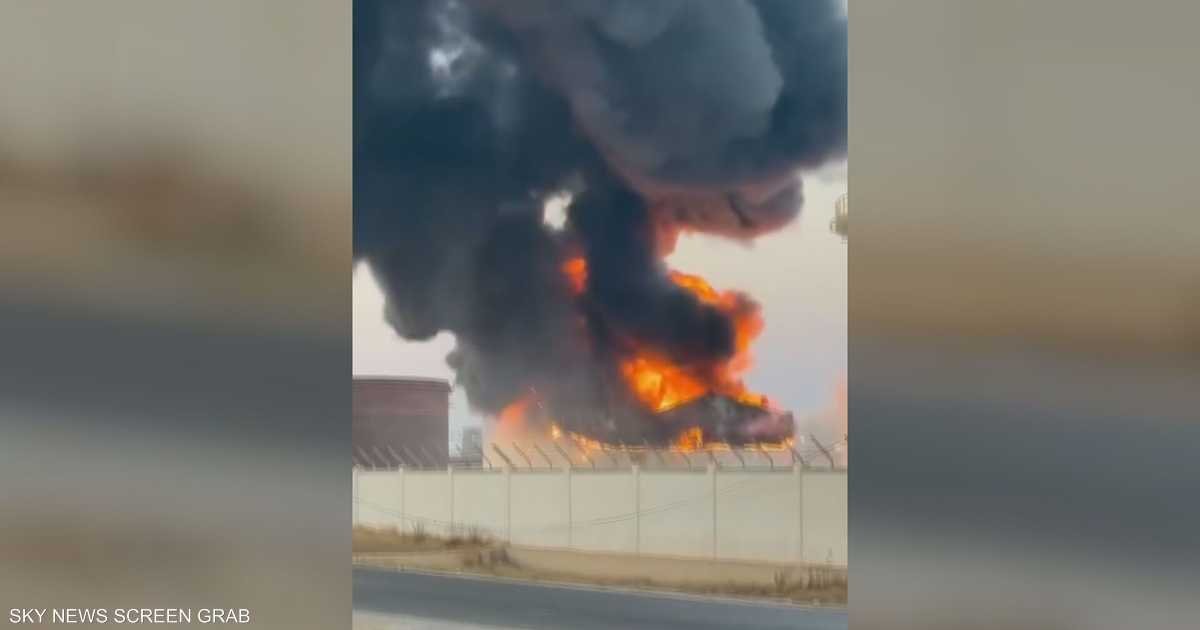
Libya is facing a volatile security situation following a series of aggressive incidents on Monday that have raised concerns over the country’s stability. In two separate but closely timed events, authorities reported the assassination of a high-ranking intelligence officer and a targeted attack on a key oil refinery facility.
The assassination of the security leader marks a significant development in the ongoing security challenges plaguing the nation. While official details regarding the identity of the perpetrators remain limited, the targeted nature of the killing underscores the persistent threat posed by armed factions and the fragility of security arrangements within the country. Intelligence officials have long been high-profile targets in the complex landscape of Libyan internal politics, often finding themselves at the center of power struggles between rival factions.
Simultaneously, the energy sector—the backbone of the Libyan economy—was subjected to a direct security breach when an attack was carried out against an oil refinery. Reports indicate that the assault resulted in a fire at one of the facility’s storage tanks, drawing immediate concern regarding the potential for further disruption to national energy production and infrastructure security. This incident marks a dangerous escalation in the use of vital economic assets as theaters for conflict and political leverage.
The combined impact of these events has heightened regional tensions and highlighted the difficulty of maintaining order in a territory where competing authorities and armed groups continue to vie for control. The attacks on both a high-level security figure and critical energy infrastructure represent a shift in the pattern of instability, potentially signaling a new phase of insecurity that threatens to jeopardize ongoing efforts to consolidate state institutions.
Local security services have yet to release a comprehensive statement identifying the motive or the groups responsible for these coordinated acts of violence. However, the timing of these developments has prompted calls for an urgent review of security protocols surrounding sensitive infrastructure and state officials. As Libya navigates this precarious period, the incidents serve as a stark reminder of the underlying security vulnerabilities that continue to impede the nation’s path toward stability and economic recovery. Observers note that such escalations often have immediate implications for international energy markets that rely on the stability of Libyan supply chains, though the primary focus currently remains on the internal security fallout and the immediate threat to the safety of regional state apparatuses.