

Trump Sets Compensation as Prerequisite for Iran Negotiations
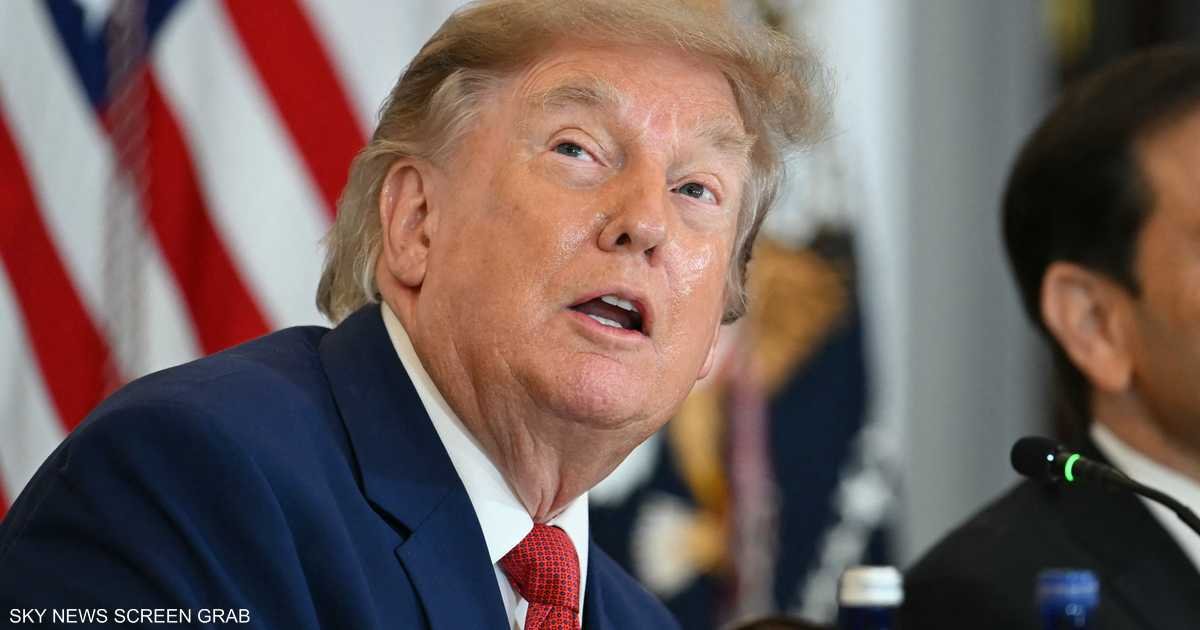
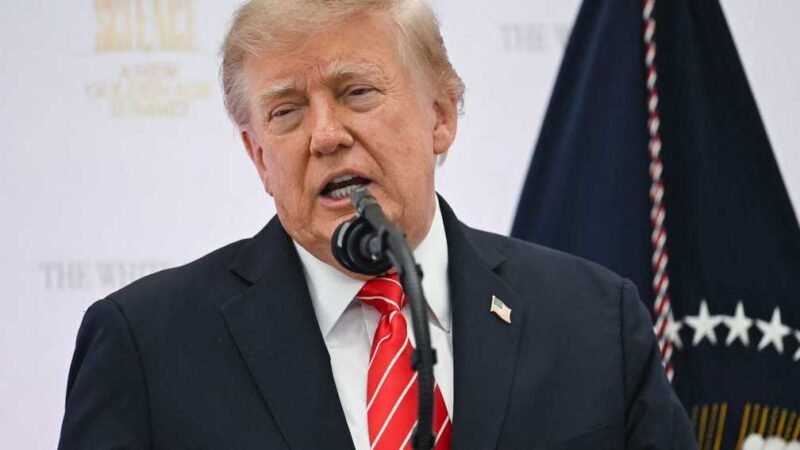
Former US President Donald Trump has issued a new condition for any future diplomatic engagement with Iran, stating that Tehran must provide reparations before any negotiations to resolve the ongoing disputes between the two nations can occur. This development marks a significant shift in the tone of US-Iran relations, as it introduces a stringent financial precondition to the diplomatic table.
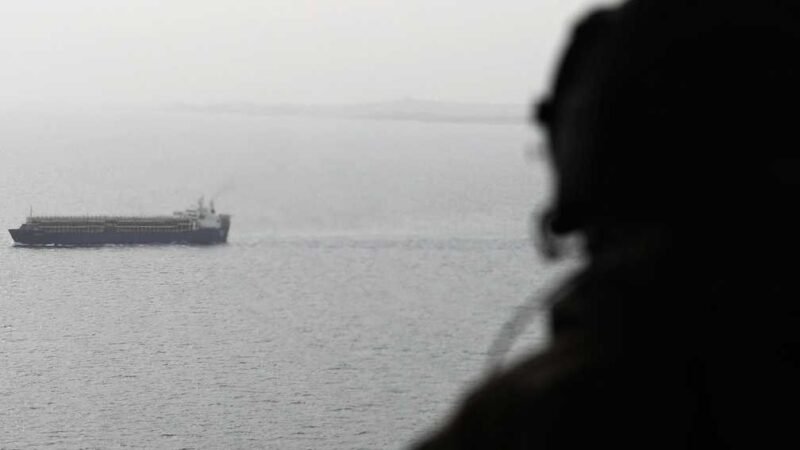
The announcement comes amidst a period of heightened sensitivity regarding maritime security in the region, particularly concerning the vital shipping lanes of the Strait of Hormuz. International efforts have been centered on establishing a framework to stabilize the strait, which is one of the world’s most critical oil transit chokepoints. While there had been some cautious optimism regarding the possibility of an agreement to ensure the safe and open passage of vessels through the waterway, the latest comments from Washington underscore the persistent and deepening diplomatic impasse.
Trump’s insistence on reparations appears to be a direct response to similar demands previously articulated by Iranian leadership, who have frequently sought compensation for various grievances linked to US foreign policy and economic sanctions. By formalizing this requirement, the former president has effectively raised the barrier for any potential de-escalation, signaling that a return to formal dialogue will require more than just a pause in regional hostilities.
The implications of this demand are significant for the geopolitical landscape of the Middle East. With the global economy heavily reliant on the steady flow of energy resources through the Strait of Hormuz, any move that complicates the prospects for a diplomatic breakthrough carries direct risks for regional stability. Diplomatic observers note that the hardening of positions by both Washington and Tehran complicates the efforts of regional and international stakeholders who have been advocating for a moderated approach to regional security.
As the rhetoric continues to escalate, the focus remains on the feasibility of any back-channel or formal talks. While the initial goal for many regional players was to secure the Strait of Hormuz from potential disruption, the linkage of these security matters to broader, historically-rooted compensation demands suggests that a comprehensive settlement remains distant. The international community, particularly nations with vested interests in Gulf maritime safety, is now assessing how these competing conditions will affect the security environment in the coming months. For the time being, the prospect of a negotiated settlement seems increasingly tethered to these unresolved and polarizing issues, leaving the region in a state of continued uncertainty.